Al-Modon calls Syria's fuel price rise "the tip of the iceberg"; The New York Times files it under a global energy crisis
Two outlets link Syria's protests to fuel prices but point at different causes. A third says in a headline that the protests have reached the Kurdish-majority northeast. We hold no text beneath that headline.
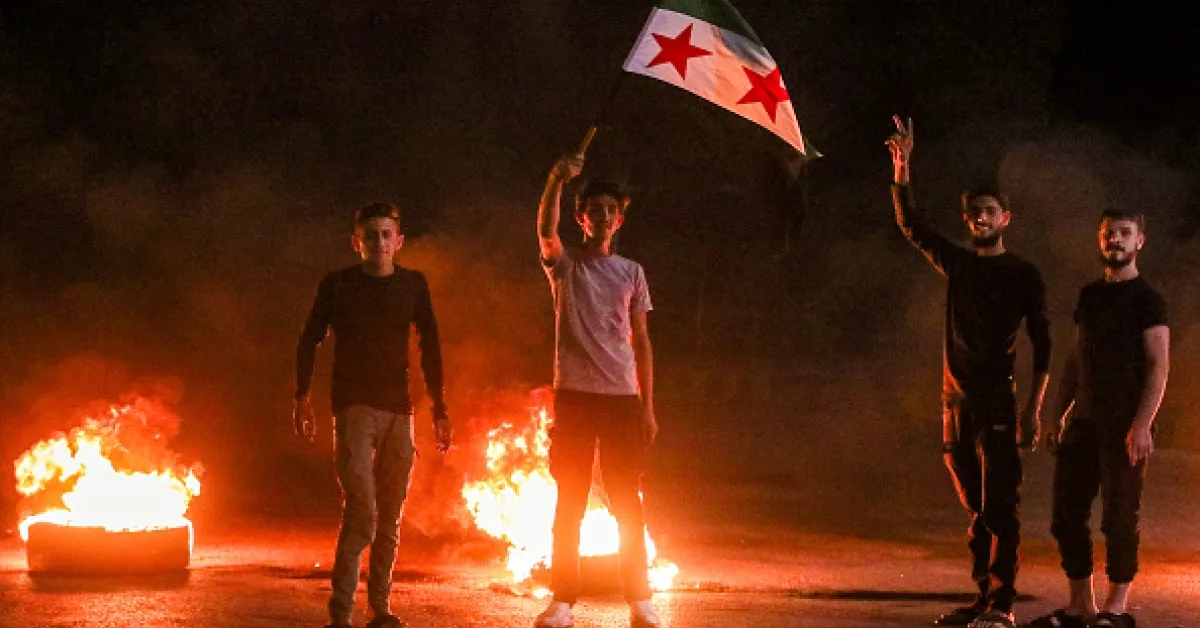
What we hold. Three reports, all published within 12 minutes on 15 September. Each is only a headline or one line. None gives a crowd size, an arrest or injury count, or a protester's words.
Where they agree. Al-Modon and The New York Times both link Syria's protests to fuel prices. Al-Modon says protests swept Syrian cities over the past two days, driven by "a decision to raise fuel prices by". The percentage is cut off in the text we hold. Neither outlet says who made the decision.
Where they differ.
| Outlet | Cause it points to | Where |
|---|---|---|
| Al-Modon | The price rise is "the tip of the iceberg" | Syrian cities |
| The New York Times | Shortages and price rises, "from Indonesia to Guatemala to Syria" | Syria, no region named |
| Asharq Al-Awsat | None given | "Kurdish-majority Northeast" |
Al-Modon's headline says, in its own voice, that fuel is only the visible part of wider anger. The New York Times says the latest energy crisis "leaves governments with few good options". One looks inside Syria for the cause. The other looks outside it.
What is not settled. - Whether protests reached the northeast. Only the Asharq Al-Awsat headline says so. - Who raised fuel prices, and by how much. - How big the protests are, and whether anyone was hurt or detained. - We hold one Arabic report and two English ones. None is from an outlet based in Syria.
What this is about. Fuel in Syria became more expensive, and people went into the street over it.
How it got here. Syria's civil war began in 2011, when protests against the rule of Bashar al-Assad were met with force and hardened into an armed conflict that ran for more than a decade. Assad's government fell in December 2024. A new administration in Damascus took over a country whose refineries, power supply and public finances had been wrecked by those years of war, and whose oil fields lie mostly in the east — in Hasakah, Deir ez-Zor and Raqqa — in territory held through the war by the Kurdish-led Syrian Democratic Forces rather than by Damascus. Under the previous administration, the researcher Maher al-Tamran told Al-Modon, people in the east were used to buying diesel and petrol very cheaply. Damascus and the SDF have since signed an agreement that al-Tamran describes as opening a phase of "unifying the state and managing resources" — which is why a single national fuel price is, in the east, also a question about who owns the oil under the ground.
The actors. The government in Damascus sets the price and says, per Al-Modon, that the rise is temporary — caused by higher world oil prices and by the Banias refinery being shut for repairs. Protesters in Aleppo and Idlib, the new administration's own base, and in the oil-producing east are the other side. Qamishli, where Asharq Al-Awsat reports hundreds marched on Tuesday, is in the Kurdish-majority northeast.
What is at stake. Whether the new authorities can raise prices without losing the streets that brought them to power, and whether the east accepts national pricing before it sees national services.
Where it stands. Asharq Al-Awsat calls these the largest protests yet against the new authorities. We hold no report on what the government has done since.
What is being argued about
- Whether a fuel price decision or a global energy crisis is driving Syria's protests
- Whether the protests have reached the Kurdish-majority northeast
- Who raised fuel prices, and by how much
- What no report gives: crowd sizes, arrests, injuries, protesters' words
| Outlet | What it says | Cause named? | Who decided named? |
|---|---|---|---|
| almodon | Protests swept Syrian cities over two days; the fuel price rise is "the tip of the iceberg" | Yes: a decision to raise fuel prices | No |
| nyt | "From Indonesia to Guatemala to Syria, shortages and price increases are leading to protests and blackouts" | Yes: shortages and price rises | No |
| aawsat | "Syria Protests Spread to Kurdish-majority Northeast" | No | No |
 احتجاجات الشارع السوي.. رفع أسعار الوقود رأس جبل الجليد
Open this report in The AI Times →
Read it at Al-Modon →
What we have measured
Actor left unnamed a man is killed by an air strike in the headline with nobody named as striking; shelling and demolitions simply "continue" ×1Actor named The Israeli army is named as the shooter. ×1Actor named, action nominalised Israeli escalation is named but arrives as a wave, not as a doer ×1Affected people The only report that looks at people in the south: the explosions, the fear and the displacement. ×1
Outlet profile in The AI Times →
 The New York Times
🇺🇸US ·
newspaper · independent
 Latest Energy Crisis Leaves Governments With Few Good Options
Open this report in The AI Times →
Read it at The New York Times →
What we have measured
Active and passive voice the ship is 'targeted' with no actor, one sentence before a named actor is given for the Saudi attack ×1Active vs passive voice Pike is named as the killer in the active voice; the botched execution has no actor named ×1Actor label Names the shooter by its backer, not by its own name. ×1Actor named Names the official and what the process did to Pike. ×1
Outlet profile in The AI Times →
A
Asharq Al-Awsat
 Syria Protests Spread to Kurdish-majority Northeast
Open this report in The AI Times →
Read it at Asharq Al-Awsat →
What we have measured
Active voice, both actors named the killing of Iran's supreme leader is given an actor and a date, unhedged ×1Active voice for the actor soldiers and settlers are both named as acting ×1Anyone hurt is counted, not named three dead given as a figure and a job title ×1Are the hurt named or counted The dead man and the wounded are a count inside an official's quote; nobody is named, and no ages, roles or nationalities are given. ×1
Outlet profile in The AI Times →
احتجاجات الشارع السوي.. رفع أسعار الوقود رأس جبل الجليد
Open this report in The AI Times →
Read it at Al-Modon →
What we have measured
Actor left unnamed a man is killed by an air strike in the headline with nobody named as striking; shelling and demolitions simply "continue" ×1Actor named The Israeli army is named as the shooter. ×1Actor named, action nominalised Israeli escalation is named but arrives as a wave, not as a doer ×1Affected people The only report that looks at people in the south: the explosions, the fear and the displacement. ×1
Outlet profile in The AI Times →
A
Asharq Al-Awsat
Syria Protests Spread to Kurdish-majority Northeast
Open this report in The AI Times →
Read it at Asharq Al-Awsat →
What we have measured
Active voice, both actors named the killing of Iran's supreme leader is given an actor and a date, unhedged ×1Active voice for the actor soldiers and settlers are both named as acting ×1Anyone hurt is counted, not named three dead given as a figure and a job title ×1Are the hurt named or counted The dead man and the wounded are a count inside an official's quote; nobody is named, and no ages, roles or nationalities are given. ×1
Outlet profile in The AI Times →
The New York Times
The New York Times
🇺🇸US ·
newspaper · independent
Latest Energy Crisis Leaves Governments With Few Good Options
Open this report in The AI Times →
Read it at The New York Times →
What we have measured
Active and passive voice the ship is 'targeted' with no actor, one sentence before a named actor is given for the Saudi attack ×1Active vs passive voice Pike is named as the killer in the active voice; the botched execution has no actor named ×1Actor label Names the shooter by its backer, not by its own name. ×1Actor named Names the official and what the process did to Pike. ×1
Outlet profile in The AI Times →
A price rise with no one who raised it
Two reports tie the protests to higher fuel prices, and neither names who raised them. One says governments are left with few good options. No report we hold gives a crowd size, an arrest or injury count, or a protester's words.
احتجاجات الشارع السوي.. رفع أسعار الوقود رأس جبل الجليد
Open this report in The AI Times →
Read it at Al-Modon →
What we have measured
Actor left unnamed a man is killed by an air strike in the headline with nobody named as striking; shelling and demolitions simply "continue" ×1Actor named The Israeli army is named as the shooter. ×1Actor named, action nominalised Israeli escalation is named but arrives as a wave, not as a doer ×1Affected people The only report that looks at people in the south: the explosions, the fear and the displacement. ×1
Outlet profile in The AI Times →
A
Asharq Al-Awsat
Syria Protests Spread to Kurdish-majority Northeast
Open this report in The AI Times →
Read it at Asharq Al-Awsat →
What we have measured
Active voice, both actors named the killing of Iran's supreme leader is given an actor and a date, unhedged ×1Active voice for the actor soldiers and settlers are both named as acting ×1Anyone hurt is counted, not named three dead given as a figure and a job title ×1Are the hurt named or counted The dead man and the wounded are a count inside an official's quote; nobody is named, and no ages, roles or nationalities are given. ×1
Outlet profile in The AI Times →
The New York Times
The New York Times
🇺🇸US ·
newspaper · independent
Latest Energy Crisis Leaves Governments With Few Good Options
Open this report in The AI Times →
Read it at The New York Times →
What we have measured
Active and passive voice the ship is 'targeted' with no actor, one sentence before a named actor is given for the Saudi attack ×1Active vs passive voice Pike is named as the killer in the active voice; the botched execution has no actor named ×1Actor label Names the shooter by its backer, not by its own name. ×1Actor named Names the official and what the process did to Pike. ×1
Outlet profile in The AI Times →
Claims and verdicts
No claims registered.
Who wrote it
The New York Times
Coverage, outlet by outlet
Syria Protests Spread to Kurdish-majority Northeast
Open this report in The AI Times →
Read it at Asharq Al-Awsat →
What we have measured
Active voice, both actors named the killing of Iran's supreme leader is given an actor and a date, unhedged ×1Active voice for the actor soldiers and settlers are both named as acting ×1Anyone hurt is counted, not named three dead given as a figure and a job title ×1Are the hurt named or counted The dead man and the wounded are a count inside an official's quote; nobody is named, and no ages, roles or nationalities are given. ×1
Outlet profile in The AI Times →
—
احتجاجات الشارع السوي.. رفع أسعار الوقود رأس جبل الجليد
Open this report in The AI Times →
Read it at Al-Modon →
What we have measured
Actor left unnamed a man is killed by an air strike in the headline with nobody named as striking; shelling and demolitions simply "continue" ×1Actor named The Israeli army is named as the shooter. ×1Actor named, action nominalised Israeli escalation is named but arrives as a wave, not as a doer ×1Affected people The only report that looks at people in the south: the explosions, the fear and the displacement. ×1
Outlet profile in The AI Times →
—
The New York Times
The New York Times
🇺🇸US ·
newspaper · independent
Latest Energy Crisis Leaves Governments With Few Good Options
Open this report in The AI Times →
Read it at The New York Times →
What we have measured
Active and passive voice the ship is 'targeted' with no actor, one sentence before a named actor is given for the Saudi attack ×1Active vs passive voice Pike is named as the killer in the active voice; the botched execution has no actor named ×1Actor label Names the shooter by its backer, not by its own name. ×1Actor named Names the official and what the process did to Pike. ×1
Outlet profile in The AI Times →
— independent International Criminal Court
INT ·
official record · intergovernmental body
What we have measured
Outlet profile in The AI Times →
 UN News
INT ·
official record · intergovernmental body
What we have measured
Actors named Names both vetoing states and the sponsor, and says what the draft would have created ×1Asserted versus attributed share of women and children among the dead given with no source ×1Asserted vs attributed Israel named as acting, stated in the report's own voice ×1Asymmetric verb The Iranian government's crimes are 'confirmed'. The US finding is only 'reasonable grounds'. The two findings are weighted differently in one sentence. ×1
Outlet profile in The AI Times →
 International Court of Justice
INT ·
official record · intergovernmental body
What we have measured
Outlet profile in The AI Times →