EU wants more frigates to guard ships from the 'Houthi militia'; Yemen's ministry says 198 ships crossed Bab al-Mandab in five days
On the same day, a German paper reported that the EU is short of warships for its Red Sea mission, and Iran's state news agency reported, citing Yemen's Houthi-run transport ministry, that ships are moving through the strait. Neither report gives a count of attacks.
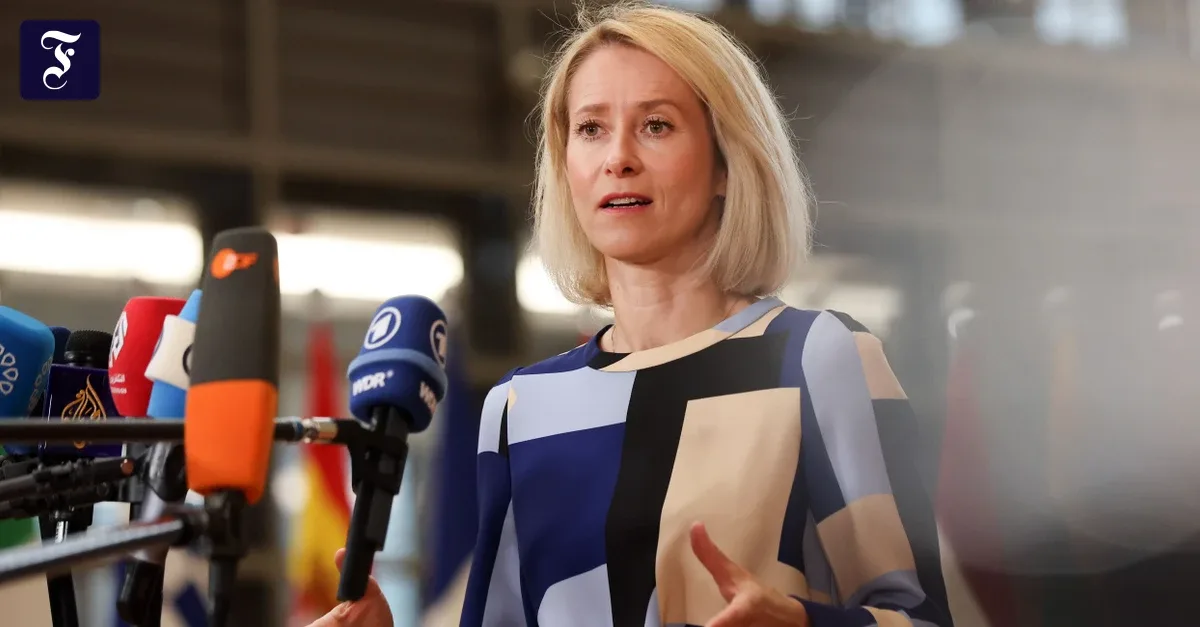
The EU account. Frankfurter Allgemeine reports that Kaja Kallas, the EU's foreign-policy chief, wants more frigates for Aspides, the EU mission meant to protect ships "from the Houthi militia". The paper says "the need is great, but pledges are lacking". It says two states have signalled readiness, but does not name them.
The Sanaa account. IRNA, Iran's state news agency, cites Yemen's transport ministry: 198 commercial ships crossed Bab al-Mandab in five days. IRNA says the figure shows "continued international shipping" through the strait.
Two measures, two names.
| Frankfurter Allgemeine | IRNA | |
|---|---|---|
| What it measures | Warships the EU lacks | Ships that passed |
| Figure | None | 198 in five days |
| Name for the Houthis | "Houthi militia" | "Yemen's transport ministry" |
| Who says it | Need stated as fact, no speaker named | The ministry itself |
The label matters. Call them a militia and the figure reads as a claim. Call them a ministry and it reads as official.
What is not settled - Whether 198 ships in five days is more or less than normal. IRNA gives no baseline, and no other report we hold checks the count. - How many ships were attacked or threatened. Neither report gives a number. - Which two states are ready to send ships, and how many frigates Aspides needs. - We hold only the opening lines of both reports.
This story is about whether ships can safely use the southern entrance to the Red Sea, and who is armed to protect them.
The strait. Bab al-Mandab is a narrow channel between Yemen, on the Arabian side, and Djibouti and Eritrea, on the African side. It links the Gulf of Aden to the Red Sea, and through the Suez Canal to the Mediterranean. Much of the shipping between Asia and Europe passes through it.
How it got here. The Houthi movement, also called Ansar Allah, took Yemen's capital, Sanaa, in 2014. In March 2015 a Saudi-led coalition went to war to restore the government the movement had pushed out. Yemen has been split between rival authorities ever since. The Houthis govern Sanaa and much of the north, including the Red Sea coast near the strait. The UN-recognised government holds other parts of the country.
After the war in Gaza began, following the attacks of 7 October 2023, the Houthis began attacking commercial ships in the Red Sea from November 2023. They said they were acting in support of Palestinians. Many shipping firms sent their vessels the long way around Africa. The United States and the United Kingdom began striking Houthi targets in January 2024. In February 2024 the EU launched Aspides, a naval mission with a defensive mandate: it escorts and protects ships but does not strike on land.
The actors. The EU runs Aspides with warships that member states lend it. Kaja Kallas has been the EU's foreign-policy chief since December 2024. Iran is politically aligned with the Houthis. The US and others accuse Iran of arming them; Iran denies directing them. IRNA is Iran's state news agency.
What is at stake. If the route is seen as safe, ships return and the costs of the detour fall. If it is seen as dangerous, Europe needs more ships to protect it.
Where it stands. The reports we hold do not say whether attacks are still happening this week.
What is being argued about
- Whether ships can safely pass Bab al-Mandab
- The EU's shortage of frigates for Aspides
- A Houthi ship count with no independent check
- Militia or ministry: how outlets name the Sanaa authority
| Outlet | What it said | Figure | Name for the Houthis | Hedged? |
|---|---|---|---|---|
| Frankfurter Allgemeine | Aspides needs more frigates; "the need is great, but pledges are lacking" | None; two unnamed states said to be ready | "Houthi militia" | No — the need is stated as fact, with no speaker named |
| IRNA | Shipping through the strait continues | 198 commercial ships in five days | "Yemen's transport ministry" | Attributed to the ministry; no independent check, no baseline |
 Frankfurter Allgemeine
🇩🇪DE ·
newspaper · independent
 EU-Mission Aspides: Kallas fordert mehr Fregatten für den Schutz von Handelsschiffen
Open this report in The AI Times →
Read it at Frankfurter Allgemeine →
What we have measured
Actor label The Houthis are called a militia and are cast only as the threat ships need protecting from. ×1With no actor named critics 'After criticism', with no one named as the critic. ×1Anyone hurt counted gives an injury figure, attributed to the ministry, but does not say who was hurt or by whom ×1Asserted flat the report judges the offer vague in its own voice, unattributed ×1
Outlet profile in The AI Times →
 عبور ۱۹۸ کشتی تجاری از تنگه بابالمندب طی پنج روز
Open this report in The AI Times →
Read it at IRNA (Islamic Republic News Agency) →
What we have measured
A contested word in the headline "illegal" is a Chinese spokesperson's characterisation, carried unmarked in the headline ×1A contested word taken as the report's own "illegal" appears in the headline without quotation marks or attribution to the speaker ×1Acted upon, never acting police are named as acting; whoever hoarded a billion toman of staples is not named at all ×1Actor label The Houthi-run authority is called Yemen's transport ministry. ×1
Outlet profile in The AI Times →
Same waters, different measures
One report measures the danger as a shortage of frigates, and the other measures safety as 198 ships passing in five days. Neither cites the other's figure. Neither gives a count of attacks.
Militia or ministry
One report calls the same authority a 'militia', and the other calls it Yemen's transport ministry. That wording decides whose figures a reader treats as official.
Frankfurter Allgemeine
Frankfurter Allgemeine
🇩🇪DE ·
newspaper · independent
EU-Mission Aspides: Kallas fordert mehr Fregatten für den Schutz von Handelsschiffen
Open this report in The AI Times →
Read it at Frankfurter Allgemeine →
What we have measured
Actor label The Houthis are called a militia and are cast only as the threat ships need protecting from. ×1With no actor named critics 'After criticism', with no one named as the critic. ×1Anyone hurt counted gives an injury figure, attributed to the ministry, but does not say who was hurt or by whom ×1Asserted flat the report judges the offer vague in its own voice, unattributed ×1
Outlet profile in The AI Times →
عبور ۱۹۸ کشتی تجاری از تنگه بابالمندب طی پنج روز
Open this report in The AI Times →
Read it at IRNA (Islamic Republic News Agency) →
What we have measured
A contested word in the headline "illegal" is a Chinese spokesperson's characterisation, carried unmarked in the headline ×1A contested word taken as the report's own "illegal" appears in the headline without quotation marks or attribution to the speaker ×1Acted upon, never acting police are named as acting; whoever hoarded a billion toman of staples is not named at all ×1Actor label The Houthi-run authority is called Yemen's transport ministry. ×1
Outlet profile in The AI Times →
Claims and verdicts
عبور ۱۹۸ کشتی تجاری از تنگه بابالمندب طی پنج روز
Open this report in The AI Times →
Read it at IRNA (Islamic Republic News Agency) →
What we have measured
A contested word in the headline "illegal" is a Chinese spokesperson's characterisation, carried unmarked in the headline ×1A contested word taken as the report's own "illegal" appears in the headline without quotation marks or attribution to the speaker ×1Acted upon, never acting police are named as acting; whoever hoarded a billion toman of staples is not named at all ×1Actor label The Houthi-run authority is called Yemen's transport ministry. ×1
Outlet profile in The AI Times →
Frankfurter Allgemeine
Frankfurter Allgemeine
🇩🇪DE ·
newspaper · independent
EU-Mission Aspides: Kallas fordert mehr Fregatten für den Schutz von Handelsschiffen
Open this report in The AI Times →
Read it at Frankfurter Allgemeine →
What we have measured
Actor label The Houthis are called a militia and are cast only as the threat ships need protecting from. ×1With no actor named critics 'After criticism', with no one named as the critic. ×1Anyone hurt counted gives an injury figure, attributed to the ministry, but does not say who was hurt or by whom ×1Asserted flat the report judges the offer vague in its own voice, unattributed ×1
Outlet profile in The AI Times →
Who wrote it
Frankfurter Allgemeine
Coverage, outlet by outlet
عبور ۱۹۸ کشتی تجاری از تنگه بابالمندب طی پنج روز
Open this report in The AI Times →
Read it at IRNA (Islamic Republic News Agency) →
What we have measured
A contested word in the headline "illegal" is a Chinese spokesperson's characterisation, carried unmarked in the headline ×1A contested word taken as the report's own "illegal" appears in the headline without quotation marks or attribution to the speaker ×1Acted upon, never acting police are named as acting; whoever hoarded a billion toman of staples is not named at all ×1Actor label The Houthi-run authority is called Yemen's transport ministry. ×1
Outlet profile in The AI Times →
— state-controlled
Frankfurter Allgemeine
Frankfurter Allgemeine
🇩🇪DE ·
newspaper · independent
EU-Mission Aspides: Kallas fordert mehr Fregatten für den Schutz von Handelsschiffen
Open this report in The AI Times →
Read it at Frankfurter Allgemeine →
What we have measured
Actor label The Houthis are called a militia and are cast only as the threat ships need protecting from. ×1With no actor named critics 'After criticism', with no one named as the critic. ×1Anyone hurt counted gives an injury figure, attributed to the ministry, but does not say who was hurt or by whom ×1Asserted flat the report judges the offer vague in its own voice, unattributed ×1
Outlet profile in The AI Times →
— independent International Criminal Court
INT ·
official record · intergovernmental body
What we have measured
Outlet profile in The AI Times →
 UN News
INT ·
official record · intergovernmental body
What we have measured
Actors named Names both vetoing states and the sponsor, and says what the draft would have created ×1Asserted versus attributed share of women and children among the dead given with no source ×1Asserted vs attributed Israel named as acting, stated in the report's own voice ×1Asymmetric verb The Iranian government's crimes are 'confirmed'. The US finding is only 'reasonable grounds'. The two findings are weighted differently in one sentence. ×1
Outlet profile in The AI Times →
 International Court of Justice
INT ·
official record · intergovernmental body
What we have measured
Outlet profile in The AI Times →