Gazeta Wyborcza says Belarus freed 15 prisoners in return for eased US sanctions; The Independent does not mention sanctions and says 883 are still held
Two reports say Alexander Lukashenko's government freed 15 prisoners on Thursday after talks with the United States. Only Gazeta Wyborcza says Washington offered to ease sanctions in return, and it gives no source. Only The Independent says how many remain in prison, a count it attributes to the banned rights group Viasna.
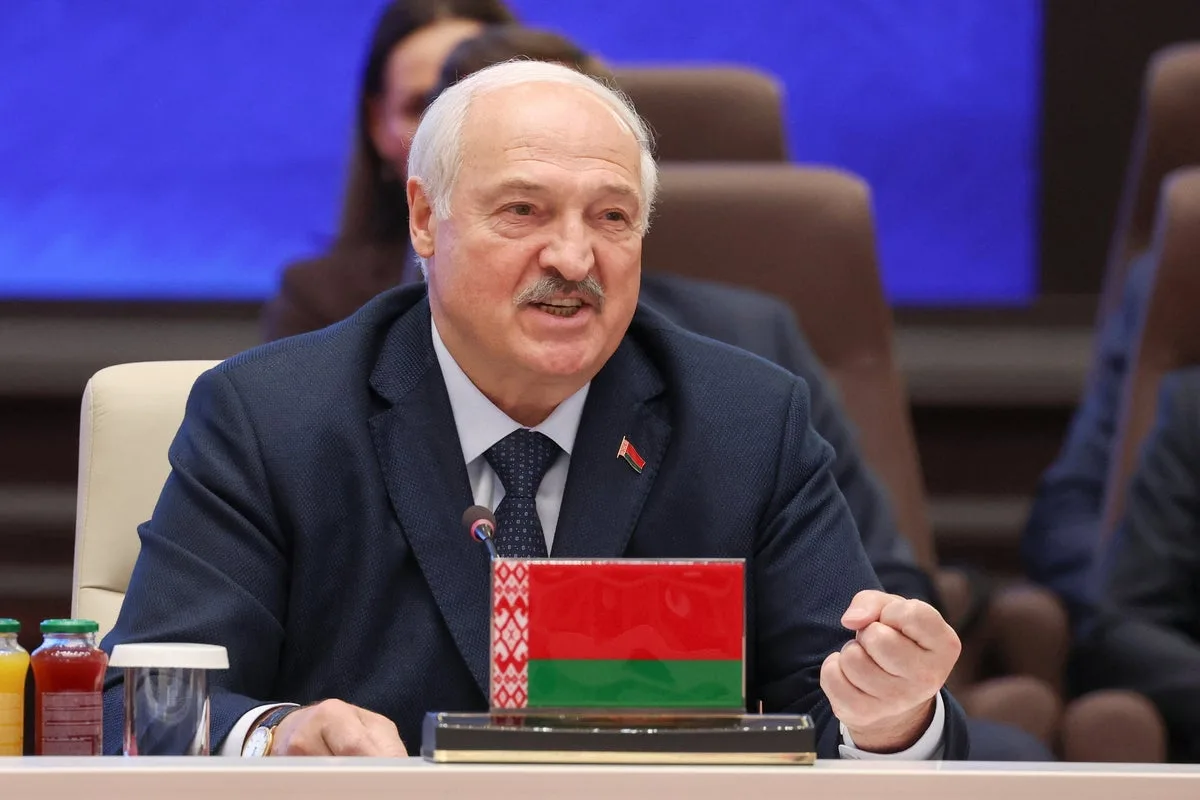
What both say. Belarus released 15 prisoners on Thursday 24 September after talks with Washington. Neither report names any of the 15.
Where they part. Each report tells a different story about the release.
| Gazeta Wyborcza | The Independent | |
|---|---|---|
| Who acted | Lukashenko, who "pardoned" them | "Belarus" |
| What it calls them | political prisoners | "prisoners" in the headline |
| Sanctions | Washington "offers gradual easing of American economic sanctions" | not mentioned |
| Source for the sanctions offer | none given | — |
| How many still held | not given | 883, according to Viasna |
The trade. Gazeta Wyborcza states the sanctions offer as fact and does not say who described it. No other report we hold confirms it. The Independent ties the release only to "talks with US envoy".
The count. The Independent says the banned rights group Viasna counts 883 political prisoners still held. No other report gives a figure.
What is not settled - Which sanctions would be eased, and on what schedule. Neither report says. - Whether Washington has confirmed any offer. We hold no US statement. - Who the 15 are. Neither report names them. - For Gazeta Wyborcza, we hold only the opening lines of the report.
What this is about. The United States and Belarus are negotiating over political prisoners. Belarus releases people it has jailed, and US economic sanctions on Belarus are at stake.
How it got here. Alexander Lukashenko has been president of Belarus since 1994. In August 2020 he was declared the winner of an election that the opposition and Western governments called rigged. Months of mass protests followed. The authorities answered with mass arrests, and opposition leaders were jailed or went into exile. The United States and the European Union imposed sanctions in response. In May 2021 Belarus forced a Ryanair flight to land in Minsk and arrested a journalist on board, and more sanctions followed. When Russia invaded Ukraine in February 2022, some of its troops crossed from Belarusian territory. Western governments then widened the sanctions to cover large parts of the Belarusian economy. In 2025, after visits by US envoys, Minsk freed several groups of prisoners. One of them was the opposition figure Siarhei Tsikhanouski. Washington eased some restrictions in return, including those on the state airline Belavia.
The actors. Lukashenko holds the power to pardon, and he is using releases to push for sanctions relief. Washington uses the sanctions as leverage and has sent envoys to Minsk. Viasna is a Belarusian human rights group that keeps a register of political prisoners. Its founder, Ales Bialiatski, shared the 2022 Nobel Peace Prize. The Belarusian authorities have banned the group.
What is at stake. For Minsk: access to US markets, finance and aircraft parts. For the prisoners and their families: freedom, one group at a time. Critics of these deals say that each release can be followed by new arrests. That argument is disputed, and neither report makes it.
Where it stands. Fifteen people were freed on 24 September. According to Viasna, as reported by The Independent, 883 are still held.
What is being argued about
- Whether the release was traded for eased US sanctions
- How many political prisoners Belarus still holds
- Who the 15 freed prisoners are
- Which sanctions would be eased, and when
| Outlet | What it said | Sanctions trade? | Still held |
|---|---|---|---|
| Gazeta Wyborcza | Lukashenko "pardoned 15 political prisoners. This is the result of talks with the USA" | Yes, stated with no source | not given |
| The Independent | "Belarus releases 15 more prisoners following talks with US envoy" | Not mentioned | 883, according to Viasna |
 Gazeta Wyborcza
🇵🇱PL ·
newspaper · independent
 Łukaszenka ułaskawił 15 więźniów politycznych. To efekt rozmów z USA
Open this report in The AI Times →
Read it at Gazeta Wyborcza →
What we have measured
Actor named Russia is named as acting against the bridge, in active voice ×1Asserted cause Voters' reason for backing the AfD is stated flat as a fact about the mainstream parties. ×1Asserted, not attributed the three-year gain is stated as what the deal would have secured, with no source ×1Asserted versus attributed the link between the pardons and the US talks is stated flat in the headline ×1
Outlet profile in The AI Times →
 The Independent
🇬🇧UK ·
digital · independent
 Belarus releases 15 more prisoners following talks with US envoy
Open this report in The AI Times →
Read it at The Independent →
What we have measured
Accused party response Russia's side is reported as no comment. ×1A company statement about itself, taken as a "reveals" rather than "says", for a company's account of its own product ×1A count stated flat four crimes is given as a settled number in the headline, with no court, charge or jurisdiction attached ×1Actor named No actor named for the cut-short or for the clashes ×1
Outlet profile in The AI Times →
- 2026-09-24— no time published Alexander Lukashenko Pardons prisoners, according to Gazeta Wyborcza 15Neither report names any of them
- 2026-09-2418:08 UTC The Independent's publication time The Independent Reports 15 released after talks with a US envoy 883 still held, according to ViasnaDoes not mention sanctions
- 2026-09-2418:15 UTC Gazeta Wyborcza's publication time Gazeta Wyborcza Reports the pardons and a US offer of gradual sanctions relief 15Gives no source for the offer
Gazeta Wyborcza
Gazeta Wyborcza
🇵🇱PL ·
newspaper · independent
Łukaszenka ułaskawił 15 więźniów politycznych. To efekt rozmów z USA
Open this report in The AI Times →
Read it at Gazeta Wyborcza →
What we have measured
Actor named Russia is named as acting against the bridge, in active voice ×1Asserted cause Voters' reason for backing the AfD is stated flat as a fact about the mainstream parties. ×1Asserted, not attributed the three-year gain is stated as what the deal would have secured, with no source ×1Asserted versus attributed the link between the pardons and the US talks is stated flat in the headline ×1
Outlet profile in The AI Times →
The Independent
The Independent
🇬🇧UK ·
digital · independent
Belarus releases 15 more prisoners following talks with US envoy
Open this report in The AI Times →
Read it at The Independent →
What we have measured
Accused party response Russia's side is reported as no comment. ×1A company statement about itself, taken as a "reveals" rather than "says", for a company's account of its own product ×1A count stated flat four crimes is given as a settled number in the headline, with no court, charge or jurisdiction attached ×1Actor named No actor named for the cut-short or for the clashes ×1
Outlet profile in The AI Times →
Fifteen freed, none named
Neither report names any of the 15 people released. One attributes its count of those still held to a named rights group. The other states the sanctions trade as fact, with no source.
Gazeta Wyborcza
Gazeta Wyborcza
🇵🇱PL ·
newspaper · independent
Łukaszenka ułaskawił 15 więźniów politycznych. To efekt rozmów z USA
Open this report in The AI Times →
Read it at Gazeta Wyborcza →
What we have measured
Actor named Russia is named as acting against the bridge, in active voice ×1Asserted cause Voters' reason for backing the AfD is stated flat as a fact about the mainstream parties. ×1Asserted, not attributed the three-year gain is stated as what the deal would have secured, with no source ×1Asserted versus attributed the link between the pardons and the US talks is stated flat in the headline ×1
Outlet profile in The AI Times →
The Independent
The Independent
🇬🇧UK ·
digital · independent
Belarus releases 15 more prisoners following talks with US envoy
Open this report in The AI Times →
Read it at The Independent →
What we have measured
Accused party response Russia's side is reported as no comment. ×1A company statement about itself, taken as a "reveals" rather than "says", for a company's account of its own product ×1A count stated flat four crimes is given as a settled number in the headline, with no court, charge or jurisdiction attached ×1Actor named No actor named for the cut-short or for the clashes ×1
Outlet profile in The AI Times →
Claims and verdicts
No claims registered.
Who wrote it
Gazeta Wyborcza
The Independent
Coverage, outlet by outlet
Gazeta Wyborcza
Gazeta Wyborcza
🇵🇱PL ·
newspaper · independent
Łukaszenka ułaskawił 15 więźniów politycznych. To efekt rozmów z USA
Open this report in The AI Times →
Read it at Gazeta Wyborcza →
What we have measured
Actor named Russia is named as acting against the bridge, in active voice ×1Asserted cause Voters' reason for backing the AfD is stated flat as a fact about the mainstream parties. ×1Asserted, not attributed the three-year gain is stated as what the deal would have secured, with no source ×1Asserted versus attributed the link between the pardons and the US talks is stated flat in the headline ×1
Outlet profile in The AI Times →
— independent
The Independent
The Independent
🇬🇧UK ·
digital · independent
Belarus releases 15 more prisoners following talks with US envoy
Open this report in The AI Times →
Read it at The Independent →
What we have measured
Accused party response Russia's side is reported as no comment. ×1A company statement about itself, taken as a "reveals" rather than "says", for a company's account of its own product ×1A count stated flat four crimes is given as a settled number in the headline, with no court, charge or jurisdiction attached ×1Actor named No actor named for the cut-short or for the clashes ×1
Outlet profile in The AI Times →
— independent