Jerusalem Post calls it a “trade ban against West Bank products”; Anadolu quotes ministers on “Israeli occupiers”
The Netherlands has barred settlement goods and Norway is weighing criminal penalties. Four reports, two subjects — and none of them quotes anyone who trades.
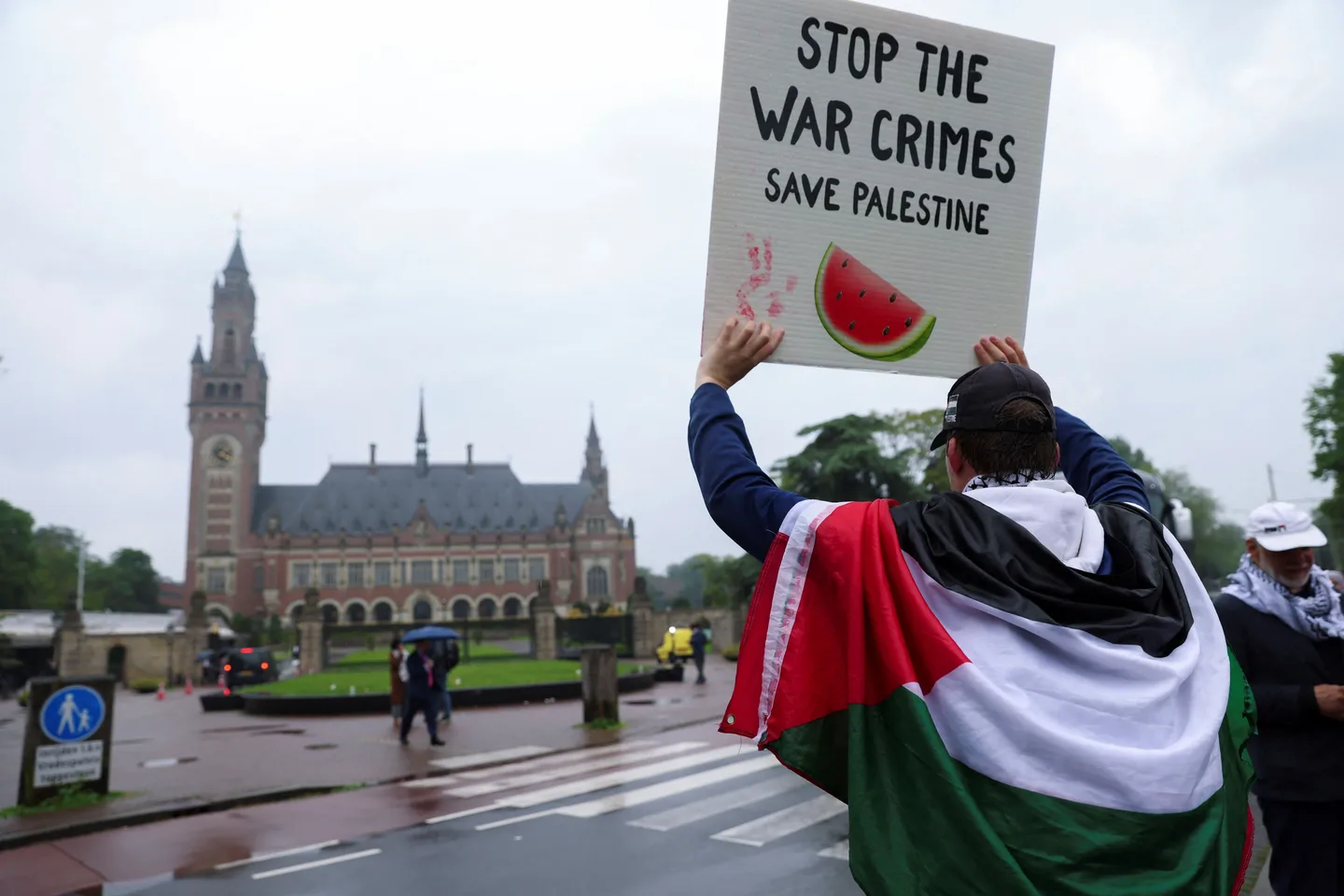
Two mastheads, two subjects. The Jerusalem Post reports the week as trade: a “trade ban against West Bank products” from the Netherlands, and a Norwegian bill “criminalizing some settlement trade”. Anadolu Agency reports European politics — Italy's Antonio Tajani saying “the only effective legal and political framework is that of the European Union”, and Ed Miliband saying “ethnic cleansing by the settler terrorists, that's what is happening”.
| Report | Calls it | Whose risk | Hedged? |
|---|---|---|---|
| Jerusalem Post, on the Netherlands | “trade ban against West Bank products” | Israel's | No |
| Jerusalem Post, on Norway | a law “criminalizing some settlement trade” | Jews in Norway | Yes — “could create” |
| Anadolu, on Tajani | “European action against Israeli occupiers” | not stated | headline flat |
| Anadolu, on Miliband | “settler terrorism”, “ethnic cleansing” | those facing settler violence | attributed |
Israel's answer comes from a source with no name. The Jerusalem Post alone reports Israel weighing further steps against the Netherlands, on a source it does not identify: “Israel has acted, is acting, and will continue to act against those who act against it.” No Dutch reply is printed.
Nobody who trades appears. None of the four quotes a producer, an exporter or anyone living in Palestine, and none gives a figure for the trade the measures cover.
Not settled. We hold no Norwegian report and no text of the proposed law, so what it would make criminal is unknown. Anadolu does not name Ed Miliband's office. Whether the Dutch ban has stopped a shipment, nobody we hold reports.
What this is about. Two European governments are using trade rules against goods made in Israeli settlements in the occupied West Bank, and the reports we hold cannot agree whether that is a customs measure or an answer to occupation.
How it got here. Israel captured the West Bank in the war of 1967 and has settled Israeli civilians there since. Most states, and the International Court of Justice in its advisory opinion of July 2024, hold the settlements unlawful and say other states should not help sustain them; Israel rejects that. Trade is where the argument becomes concrete: settlement produce — farm goods, wine, cosmetics, manufactures — reaches Europe through Israel's customs territory, and the EU–Israel Association Agreement gives Israeli exports preferential terms. The European Commission has required settlement goods to be labelled as such since 2015, which strips them of those terms. Since the Gaza war that began after the attacks of 7 October 2023, several European governments have moved from labelling towards prohibition. The Netherlands, an EU member, has barred trade in West Bank settlement goods; Norway, outside the EU but trading with it through the European Economic Area, is weighing a law making some settlement trade a crime.
Who is in it. The Dutch and Norwegian governments, which set the rules. Israel, whose government treats them as acts against it. Italy's foreign minister, Antonio Tajani, who argues the European Union is the only effective forum. A British politician, Ed Miliband, whose office Anadolu does not name.
What is at stake. On one side, whether a labelling dispute becomes a European practice of treating settlements as off-limits. On the other, how far criminal liability reaches into ordinary business — Norwegian Jewish leaders told the Jerusalem Post the proposal “could create ‘real anxiety’”.
Where it stands. The Dutch ban is reported as made, the Norwegian law as proposed, and Israel's response as under consideration by an official who is not named.
What is being argued about
- Whether a ban on settlement goods is trade policy or a response to occupation
- Norway's proposed criminal penalties for settlement trade
- What Israel says it will do to the Netherlands in return
- Who is missing: producers, exporters and anyone living in Palestine
 The Jerusalem Post
🇮🇱IL ·
newspaper · independent
 Israel considering additional steps against Netherlands over trade ban against West Bank products
Open this report in The AI Times →
Read it at The Jerusalem Post →
What we have measured
A count the body does not carry the headline says eight countries; the sentence names seven foreign ministers ×1Actor framing The Gulf ministers are the ones acting. Iran is the party they meet. ×1Actor generalised The headline has 'Baghdad' celebrating. The photo caption says the crowd is supporters of one armed group. ×1Actor named names the militias and calls the act 'desecration', in its own voice ×1
Outlet profile in The AI Times →
The Jerusalem Post
The Jerusalem Post
🇮🇱IL ·
newspaper · independent
 Norwegian Jews decry proposed criminalization of settlement trade - interiew
Open this report in The AI Times →
Read it at The Jerusalem Post →
What we have measured
A count the body does not carry the headline says eight countries; the sentence names seven foreign ministers ×1Actor framing The Gulf ministers are the ones acting. Iran is the party they meet. ×1Actor generalised The headline has 'Baghdad' celebrating. The photo caption says the crowd is supporters of one armed group. ×1Actor named names the militias and calls the act 'desecration', in its own voice ×1
Outlet profile in The AI Times →
 Anadolu Agency
🇹🇷TR ·
state agency · state-controlled
 Italian foreign minister calls for European action against Israeli occupiers
Open this report in The AI Times →
Read it at Anadolu Agency →
What we have measured
Actor named Names five governments as the ones that suspended flights, and ties it to US sanctions ×1Asserted vs expected the agenda is given as an expectation, not an outcome ×1Assertion vs attribution Credits the continuing investigation to the FDA by name ×1Attributed or stated the adviser's judgement on rates is stated as sight, not as a claim he made ×1
Outlet profile in The AI Times →
Anadolu Agency
Anadolu Agency
🇹🇷TR ·
state agency · state-controlled
Israeli government 'not gaining friends, losing allies all over': Top UK diplomat
Open this report in The AI Times →
Read it at Anadolu Agency →
What we have measured
Actor named Names five governments as the ones that suspended flights, and ties it to US sanctions ×1Asserted vs expected the agenda is given as an expectation, not an outcome ×1Assertion vs attribution Credits the continuing investigation to the FDA by name ×1Attributed or stated the adviser's judgement on rates is stated as sight, not as a claim he made ×1
Outlet profile in The AI Times →
- Wed 16 Sep18:30 published time on the report Anadolu Agency quotes Ed Miliband on “settler terrorism” and “ethnic cleansing by the settler terrorists”his office is not named
- Wed 16 Sep18:32 published time on the report Anadolu Agency quotes Italy's Antonio Tajani: “the only effective legal and political framework is that of the European Union”the headline calls them occupiers; the quote does not
- Wed 16 Sep21:02 published time on the report The Jerusalem Post Norwegian Jewish leaders warn a proposed law on settlement trade could create “real anxiety”we hold no Norwegian report and no text of the proposal
- Wed 16 Sep21:13 published time on the report The Jerusalem Post Israel is weighing further steps against the Netherlands over the ban on West Bank productson a source it does not name; no Dutch reply
Anadolu Agency
Anadolu Agency
🇹🇷TR ·
state agency · state-controlled
Israeli government 'not gaining friends, losing allies all over': Top UK diplomat
Open this report in The AI Times →
Read it at Anadolu Agency →
What we have measured
Actor named Names five governments as the ones that suspended flights, and ties it to US sanctions ×1Asserted vs expected the agenda is given as an expectation, not an outcome ×1Assertion vs attribution Credits the continuing investigation to the FDA by name ×1Attributed or stated the adviser's judgement on rates is stated as sight, not as a claim he made ×1
Outlet profile in The AI Times →
Anadolu Agency
Anadolu Agency
🇹🇷TR ·
state agency · state-controlled
Italian foreign minister calls for European action against Israeli occupiers
Open this report in The AI Times →
Read it at Anadolu Agency →
What we have measured
Actor named Names five governments as the ones that suspended flights, and ties it to US sanctions ×1Asserted vs expected the agenda is given as an expectation, not an outcome ×1Assertion vs attribution Credits the continuing investigation to the FDA by name ×1Attributed or stated the adviser's judgement on rates is stated as sight, not as a claim he made ×1
Outlet profile in The AI Times →
The Jerusalem Post
The Jerusalem Post
🇮🇱IL ·
newspaper · independent
Norwegian Jews decry proposed criminalization of settlement trade - interiew
Open this report in The AI Times →
Read it at The Jerusalem Post →
What we have measured
A count the body does not carry the headline says eight countries; the sentence names seven foreign ministers ×1Actor framing The Gulf ministers are the ones acting. Iran is the party they meet. ×1Actor generalised The headline has 'Baghdad' celebrating. The photo caption says the crowd is supporters of one armed group. ×1Actor named names the militias and calls the act 'desecration', in its own voice ×1
Outlet profile in The AI Times →
The Jerusalem Post
The Jerusalem Post
🇮🇱IL ·
newspaper · independent
Israel considering additional steps against Netherlands over trade ban against West Bank products
Open this report in The AI Times →
Read it at The Jerusalem Post →
What we have measured
A count the body does not carry the headline says eight countries; the sentence names seven foreign ministers ×1Actor framing The Gulf ministers are the ones acting. Iran is the party they meet. ×1Actor generalised The headline has 'Baghdad' celebrating. The photo caption says the crowd is supporters of one armed group. ×1Actor named names the militias and calls the act 'desecration', in its own voice ×1
Outlet profile in The AI Times →
Trade measure, or answer to occupation
Two of the four reports call the step trade — a ban on products, a law criminalising settlement trade. The other two call it a response to occupation and to settler violence, and both put the strongest words inside a quotation from a named European minister. The four reports name Italian, British, Norwegian and Israeli speakers; none quotes anyone living in Palestine.
Who is named as acting
One report has Israel acting in its own words, through a source it does not name, and prints no Dutch answer. One has a proposed Norwegian law acting on Jews in Norway, with the effect hedged as something it could create. Nowhere in the four is a settlement business, an exporter or a West Bank producer named.
The Jerusalem Post
The Jerusalem Post
🇮🇱IL ·
newspaper · independent
Israel considering additional steps against Netherlands over trade ban against West Bank products
Open this report in The AI Times →
Read it at The Jerusalem Post →
What we have measured
A count the body does not carry the headline says eight countries; the sentence names seven foreign ministers ×1Actor framing The Gulf ministers are the ones acting. Iran is the party they meet. ×1Actor generalised The headline has 'Baghdad' celebrating. The photo caption says the crowd is supporters of one armed group. ×1Actor named names the militias and calls the act 'desecration', in its own voice ×1
Outlet profile in The AI Times →
The Jerusalem Post
The Jerusalem Post
🇮🇱IL ·
newspaper · independent
Norwegian Jews decry proposed criminalization of settlement trade - interiew
Open this report in The AI Times →
Read it at The Jerusalem Post →
What we have measured
A count the body does not carry the headline says eight countries; the sentence names seven foreign ministers ×1Actor framing The Gulf ministers are the ones acting. Iran is the party they meet. ×1Actor generalised The headline has 'Baghdad' celebrating. The photo caption says the crowd is supporters of one armed group. ×1Actor named names the militias and calls the act 'desecration', in its own voice ×1
Outlet profile in The AI Times →
Anadolu Agency
Anadolu Agency
🇹🇷TR ·
state agency · state-controlled
Italian foreign minister calls for European action against Israeli occupiers
Open this report in The AI Times →
Read it at Anadolu Agency →
What we have measured
Actor named Names five governments as the ones that suspended flights, and ties it to US sanctions ×1Asserted vs expected the agenda is given as an expectation, not an outcome ×1Assertion vs attribution Credits the continuing investigation to the FDA by name ×1Attributed or stated the adviser's judgement on rates is stated as sight, not as a claim he made ×1
Outlet profile in The AI Times →
Anadolu Agency
Anadolu Agency
🇹🇷TR ·
state agency · state-controlled
Israeli government 'not gaining friends, losing allies all over': Top UK diplomat
Open this report in The AI Times →
Read it at Anadolu Agency →
What we have measured
Actor named Names five governments as the ones that suspended flights, and ties it to US sanctions ×1Asserted vs expected the agenda is given as an expectation, not an outcome ×1Assertion vs attribution Credits the continuing investigation to the FDA by name ×1Attributed or stated the adviser's judgement on rates is stated as sight, not as a claim he made ×1
Outlet profile in The AI Times →
Claims and verdicts
The Jerusalem Post
The Jerusalem Post
🇮🇱IL ·
newspaper · independent
Israel considering additional steps against Netherlands over trade ban against West Bank products
Open this report in The AI Times →
Read it at The Jerusalem Post →
What we have measured
A count the body does not carry the headline says eight countries; the sentence names seven foreign ministers ×1Actor framing The Gulf ministers are the ones acting. Iran is the party they meet. ×1Actor generalised The headline has 'Baghdad' celebrating. The photo caption says the crowd is supporters of one armed group. ×1Actor named names the militias and calls the act 'desecration', in its own voice ×1
Outlet profile in The AI Times →
The Jerusalem Post
The Jerusalem Post
🇮🇱IL ·
newspaper · independent
Norwegian Jews decry proposed criminalization of settlement trade - interiew
Open this report in The AI Times →
Read it at The Jerusalem Post →
What we have measured
A count the body does not carry the headline says eight countries; the sentence names seven foreign ministers ×1Actor framing The Gulf ministers are the ones acting. Iran is the party they meet. ×1Actor generalised The headline has 'Baghdad' celebrating. The photo caption says the crowd is supporters of one armed group. ×1Actor named names the militias and calls the act 'desecration', in its own voice ×1
Outlet profile in The AI Times →
Anadolu Agency
Anadolu Agency
🇹🇷TR ·
state agency · state-controlled
Israeli government 'not gaining friends, losing allies all over': Top UK diplomat
Open this report in The AI Times →
Read it at Anadolu Agency →
What we have measured
Actor named Names five governments as the ones that suspended flights, and ties it to US sanctions ×1Asserted vs expected the agenda is given as an expectation, not an outcome ×1Assertion vs attribution Credits the continuing investigation to the FDA by name ×1Attributed or stated the adviser's judgement on rates is stated as sight, not as a claim he made ×1
Outlet profile in The AI Times →
Who wrote it
The Jerusalem Post
The Jerusalem Post
Anadolu Agency
Anadolu Agency
Coverage, outlet by outlet
The Jerusalem Post
The Jerusalem Post
🇮🇱IL ·
newspaper · independent
Israel considering additional steps against Netherlands over trade ban against West Bank products
Open this report in The AI Times →
Read it at The Jerusalem Post →
What we have measured
A count the body does not carry the headline says eight countries; the sentence names seven foreign ministers ×1Actor framing The Gulf ministers are the ones acting. Iran is the party they meet. ×1Actor generalised The headline has 'Baghdad' celebrating. The photo caption says the crowd is supporters of one armed group. ×1Actor named names the militias and calls the act 'desecration', in its own voice ×1
Outlet profile in The AI Times →
— independent
The Jerusalem Post
The Jerusalem Post
🇮🇱IL ·
newspaper · independent
Norwegian Jews decry proposed criminalization of settlement trade - interiew
Open this report in The AI Times →
Read it at The Jerusalem Post →
What we have measured
A count the body does not carry the headline says eight countries; the sentence names seven foreign ministers ×1Actor framing The Gulf ministers are the ones acting. Iran is the party they meet. ×1Actor generalised The headline has 'Baghdad' celebrating. The photo caption says the crowd is supporters of one armed group. ×1Actor named names the militias and calls the act 'desecration', in its own voice ×1
Outlet profile in The AI Times →
— independent
Anadolu Agency
Anadolu Agency
🇹🇷TR ·
state agency · state-controlled
Italian foreign minister calls for European action against Israeli occupiers
Open this report in The AI Times →
Read it at Anadolu Agency →
What we have measured
Actor named Names five governments as the ones that suspended flights, and ties it to US sanctions ×1Asserted vs expected the agenda is given as an expectation, not an outcome ×1Assertion vs attribution Credits the continuing investigation to the FDA by name ×1Attributed or stated the adviser's judgement on rates is stated as sight, not as a claim he made ×1
Outlet profile in The AI Times →
— state-controlled
Anadolu Agency
Anadolu Agency
🇹🇷TR ·
state agency · state-controlled
Israeli government 'not gaining friends, losing allies all over': Top UK diplomat
Open this report in The AI Times →
Read it at Anadolu Agency →
What we have measured
Actor named Names five governments as the ones that suspended flights, and ties it to US sanctions ×1Asserted vs expected the agenda is given as an expectation, not an outcome ×1Assertion vs attribution Credits the continuing investigation to the FDA by name ×1Attributed or stated the adviser's judgement on rates is stated as sight, not as a claim he made ×1
Outlet profile in The AI Times →
— state-controlled