Life.ru says ChatGPT's hidden text marks are for EU users under the AI Act; Vedomosti's headline names no limit and no law
Two Russian outlets reported on 5 October that OpenAI will put invisible marks in text written by ChatGPT. One says the change is for users in the European Union and is meant to meet the EU's AI law. The other's headline says only that ChatGPT will mark its texts. Neither names a source. Neither gives a start date.
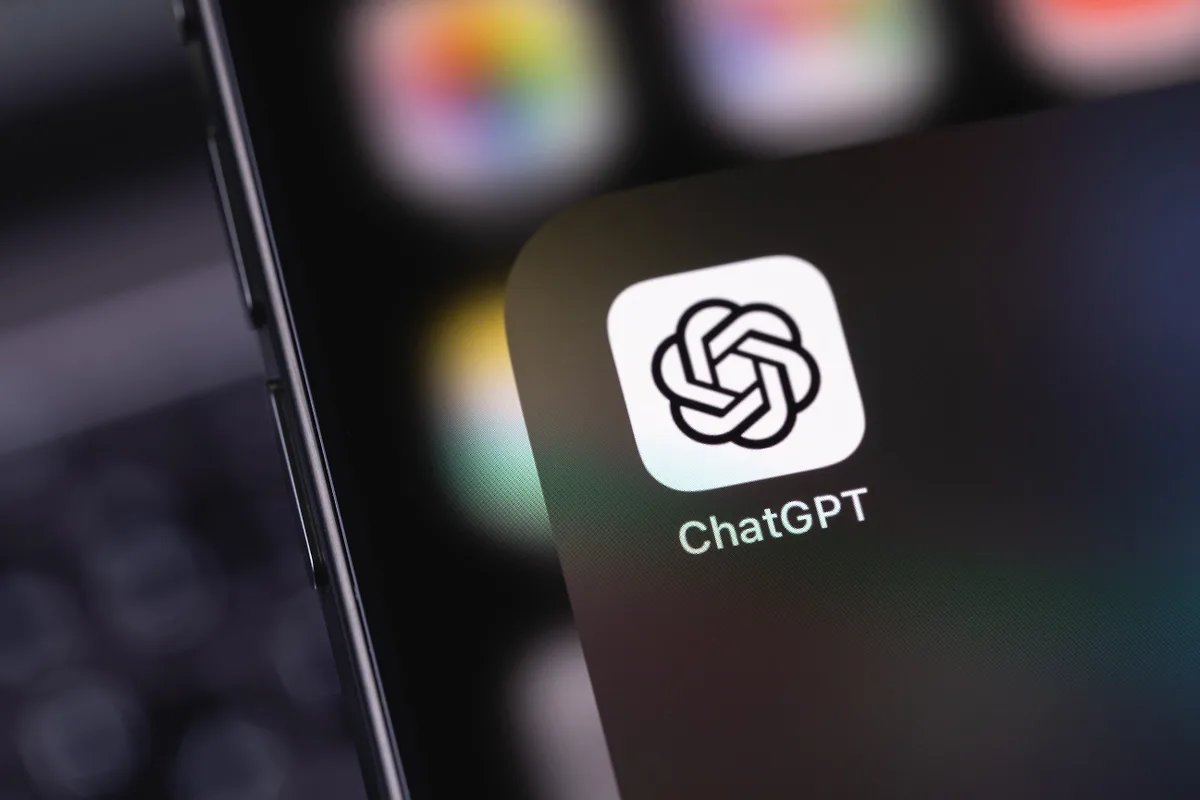
What is reported. Life.ru says OpenAI "will start adding invisible watermarks" to ChatGPT's text answers "for users in the European Union". It gives the reason as meeting the requirements of the EU AI Act. It names no OpenAI statement and no date.
Where the accounts differ. Vedomosti's headline is broader: "ChatGPT will start marking generated texts with invisible signs." We hold only the headline, not the body, so we cannot tell whether Vedomosti's report limits the change to the EU.
| Life.ru | Vedomosti | |
|---|---|---|
| Who gets the marks | EU users | Not stated in the headline |
| Reason given | The EU AI Act | Not stated in the headline |
| Source named | None | Body text not held |
| Start date | None | Not stated in the headline |
Whose voice is missing. Neither report quotes OpenAI directly, an EU regulator, a ChatGPT user or an outside expert. Life.ru states the motive as fact rather than attributing it.
What is NOT settled. - Whether OpenAI has announced this itself. Neither report cites a statement. - Whether the marks apply only in the EU or everywhere. - When the change starts. - How the marks work, and whether they survive editing or translation. Neither report says. - Whether both reports rest on the same single source.
What this is about. Whether the EU's artificial-intelligence law is making OpenAI change ChatGPT, the most widely known AI chatbot, for European users.
How it got here. OpenAI, a US company, launched ChatGPT in November 2022. Within months, schools, publishers and governments were asking how anyone could tell machine-written text from human writing. The European Union was already drafting a law on AI. The AI Act was adopted in 2024 and entered into force on 1 August 2024. Its duties take effect in stages over several years rather than all at once.
One strand of the law deals with transparency. Providers of systems that generate text, images, audio or video must make the output detectable as machine-made, in a form a machine can read. This is what "watermarking" refers to: a hidden signal in the output that software can detect even though a reader cannot see it. Marking text is generally seen as harder than marking images, because text is easy to reword.
The actors. OpenAI builds and runs ChatGPT. It must follow EU law to offer the service to users in the EU's 27 member states. The European Commission and national authorities enforce the AI Act. The two outlets reporting this are Russian. ChatGPT is not officially offered in Russia.
What is at stake. If a dominant AI company changes how its product works because of an EU law, that shows Brussels can set rules for a US platform. If the change is EU-only, users elsewhere get a different product. If it is global, one region's law ends up setting the standard for everyone. Whether text watermarks can be detected reliably also matters to teachers, publishers and anyone judging whether a piece of writing is genuine.
Where it stands. On 5 October two outlets reported the plan. Neither cites an OpenAI announcement or gives a date. The EU scope rests on one report.
What is being argued about
- Whether OpenAI's invisible text marks apply only to EU users or to every user
- Whether the EU AI Act is the stated reason, or an outlet's reading of it
- No OpenAI statement, start date or method is cited in either report
- No regulator, user or outside expert is quoted
| Outlet | What it said | EU-only? | Law named? | Source named? |
|---|---|---|---|---|
| Life.ru | OpenAI will start adding invisible watermarks to ChatGPT's text answers for users in the European Union, to meet the EU AI Act | Yes | Yes, the EU AI Act | No |
| Vedomosti | ChatGPT will start marking generated texts with invisible signs (headline only; body text not held) | Not in the headline | Not in the headline | Body text not held |
 OpenAI добавит невидимые метки в тексты ChatGPT для пользователей из ЕС
Open this report in The AI Times →
Read it at Life.ru →
What we have measured
Absence of notice framed as a finding a booking agent not having heard is put in the headline as the news ×1Absence used as rebuttal a booking service's lack of notice is run as a counter-report, sourced anonymously ×1Actor framing The company is the only actor named. The regulator appears only as a law it obeys. ×1Actor label Calls the Ukrainian president the head of a 'regime' ×1
Outlet profile in The AI Times →
V
Vedomosti
 ChatGPT начнет помечать сгенерированные тексты невидимыми знаками
Open this report in The AI Times →
Read it at Vedomosti →
What we have measured
Actor named names Russia as the state actor, not the company, and frames it neutrally ×1Asserted vs attributed the headline attributes the attacks to Novak ×1Asserted vs attributed Attributes the attack count to Novak in the headline. ×1Attribution figure stated flat with no source named, and tied to 2027 ×1
Outlet profile in The AI Times →
- 2026-10-0518:43 UTC Life.ru publication time Life.ru Reports invisible marks in ChatGPT text for EU users, tied to the EU AI ActNo source or start date named
- 2026-10-0519:01 UTC Vedomosti publication time Vedomosti Headline: ChatGPT will start marking generated texts with invisible signsNo EU limit in the headline
OpenAI добавит невидимые метки в тексты ChatGPT для пользователей из ЕС
Open this report in The AI Times →
Read it at Life.ru →
What we have measured
Absence of notice framed as a finding a booking agent not having heard is put in the headline as the news ×1Absence used as rebuttal a booking service's lack of notice is run as a counter-report, sourced anonymously ×1Actor framing The company is the only actor named. The regulator appears only as a law it obeys. ×1Actor label Calls the Ukrainian president the head of a 'regime' ×1
Outlet profile in The AI Times →
V
Vedomosti
ChatGPT начнет помечать сгенерированные тексты невидимыми знаками
Open this report in The AI Times →
Read it at Vedomosti →
What we have measured
Actor named names Russia as the state actor, not the company, and frames it neutrally ×1Asserted vs attributed the headline attributes the attacks to Novak ×1Asserted vs attributed Attributes the attack count to Novak in the headline. ×1Attribution figure stated flat with no source named, and tied to 2027 ×1
Outlet profile in The AI Times →
OpenAI's account, unchecked
The one report with body text gives OpenAI's plan and its motive as fact, and quotes no regulator, user or outside expert. The other carries a headline only, and the headline leaves out that the change is for EU users. Neither gives a start date.
OpenAI добавит невидимые метки в тексты ChatGPT для пользователей из ЕС
Open this report in The AI Times →
Read it at Life.ru →
What we have measured
Absence of notice framed as a finding a booking agent not having heard is put in the headline as the news ×1Absence used as rebuttal a booking service's lack of notice is run as a counter-report, sourced anonymously ×1Actor framing The company is the only actor named. The regulator appears only as a law it obeys. ×1Actor label Calls the Ukrainian president the head of a 'regime' ×1
Outlet profile in The AI Times →
V
Vedomosti
ChatGPT начнет помечать сгенерированные тексты невидимыми знаками
Open this report in The AI Times →
Read it at Vedomosti →
What we have measured
Actor named names Russia as the state actor, not the company, and frames it neutrally ×1Asserted vs attributed the headline attributes the attacks to Novak ×1Asserted vs attributed Attributes the attack count to Novak in the headline. ×1Attribution figure stated flat with no source named, and tied to 2027 ×1
Outlet profile in The AI Times →
Claims and verdicts
No claims registered.
Who wrote it
Coverage, outlet by outlet
ChatGPT начнет помечать сгенерированные тексты невидимыми знаками
Open this report in The AI Times →
Read it at Vedomosti →
What we have measured
Actor named names Russia as the state actor, not the company, and frames it neutrally ×1Asserted vs attributed the headline attributes the attacks to Novak ×1Asserted vs attributed Attributes the attack count to Novak in the headline. ×1Attribution figure stated flat with no source named, and tied to 2027 ×1
Outlet profile in The AI Times →
—
OpenAI добавит невидимые метки в тексты ChatGPT для пользователей из ЕС
Open this report in The AI Times →
Read it at Life.ru →
What we have measured
Absence of notice framed as a finding a booking agent not having heard is put in the headline as the news ×1Absence used as rebuttal a booking service's lack of notice is run as a counter-report, sourced anonymously ×1Actor framing The company is the only actor named. The regulator appears only as a law it obeys. ×1Actor label Calls the Ukrainian president the head of a 'regime' ×1
Outlet profile in The AI Times →
—