Palestine's envoy calls Britain's course 'a historic shift'; The Jerusalem Post calls it 'pro-Palestinian'
Palestine TV quotes Palestine's ambassador in London, Husam Zomlot, calling British recognition of Palestine "a historic moment". On the same day The Jerusalem Post, citing a report it does not name, says Foreign Secretary Ed Miliband will push "more pro-Palestinian foreign policies". Neither outlet quotes a British official.
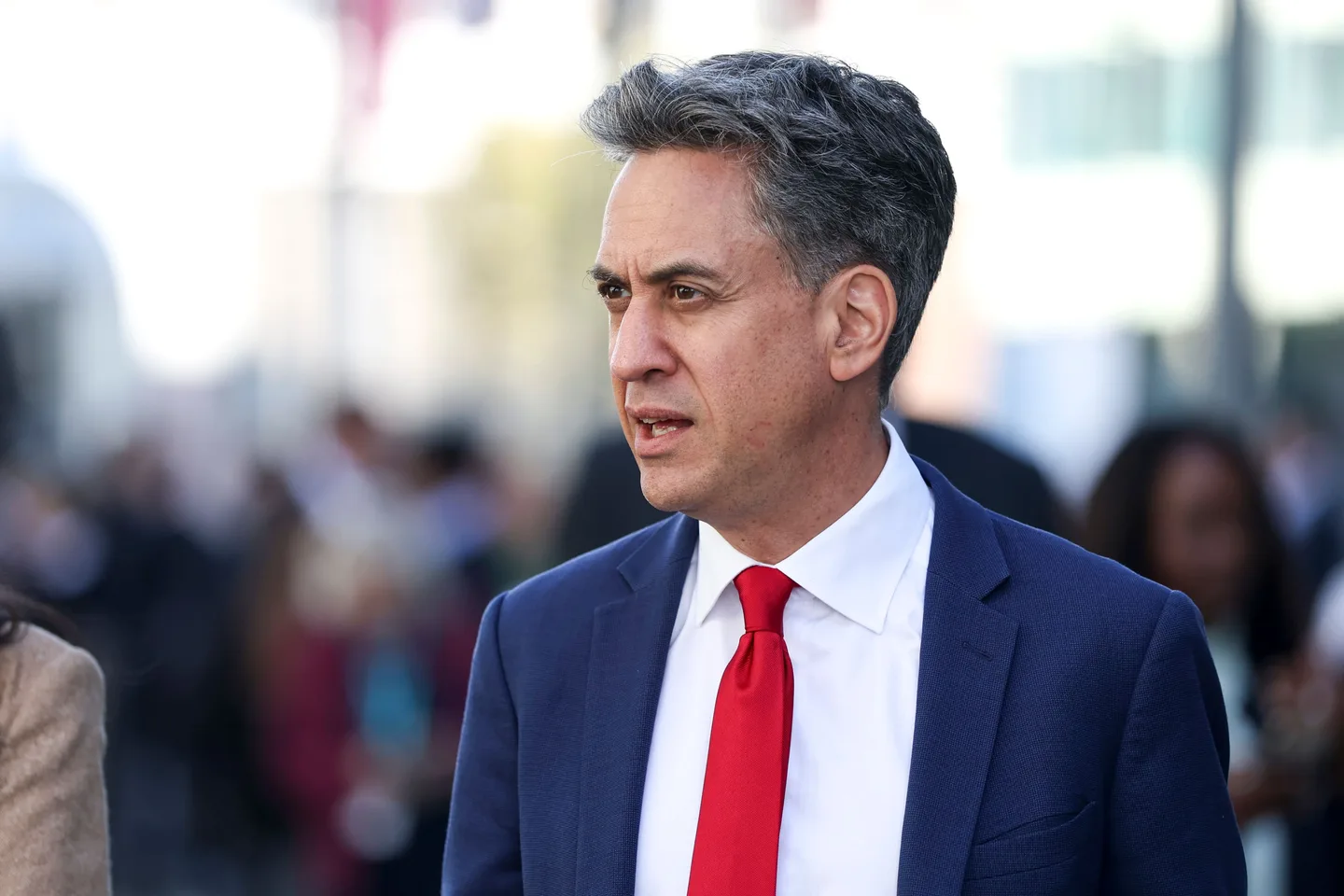
Two outlets, three reports, one day. On 29 September Palestine TV and The Jerusalem Post each described Britain's policy on Palestine. Each used a different word for it.
| Outlet | Its word for Britain's course | Whose words |
|---|---|---|
| Palestine TV | "a historic moment", "a historic shift" | Ambassador Husam Zomlot, named |
| The Jerusalem Post | "pro-Palestinian" | The Post's own headline, sourced to an unnamed "report" |
What the Post adds. The Post says Foreign Secretary Ed Miliband will make the case in a party speech. It also says Andy Burnham spoke at the UN General Assembly on Wednesday, where he "pushed against Israeli construction plans for E1 settlements in the West Bank". The Post gives that one line. No other report we hold mentions the speech.
At the Security Council. A second report from the Post covers the Council's periodic review of Resolution 2334, "which calls for an end to settlement construction". It leads with Maoz Inon, a peace activist who lost his parents on 7 October, criticising Israel. The text we hold has no settlement figures from the session.
What is not settled - We hold no quote from a British official in any report. - We hold only the first sentence of the Palestine TV report. - We hold neither Miliband's speech nor the report the Post relies on. - We do not know what the Council heard on settlement building. - We hold no Israeli government response.
What this is about. Britain has changed how it deals with Palestine. Two outlets describe that change in opposite terms.
How it got here. Britain's role goes back a century. In the 1917 Balfour Declaration it backed a Jewish national home in Palestine. Britain then ruled Palestine under a League of Nations mandate until 1948, when the State of Israel was declared. In the 1967 war Israel took the West Bank, East Jerusalem and Gaza. Most of the world treats those areas as occupied. Since then Israel has built settlements across the West Bank. Most governments call the settlements illegal under international law. Israel disputes that.
In December 2016 the UN Security Council adopted Resolution 2334. The United States abstained. The resolution says settlements have no legal validity and calls for construction to stop. The Secretary-General reports to the Council on it at regular intervals, and one of those reviews is the session in today's reporting.
On 7 October 2023 Hamas-led fighters attacked southern Israel, and Israel went to war in Gaza. Under pressure over that war, Britain formally recognised the State of Palestine in September 2025. So did several other Western governments.
The actors. Palestine's ambassador in London, Husam Zomlot, speaks for the Palestinian leadership. The Jerusalem Post says Ed Miliband is Britain's Foreign Secretary. The Security Council is the UN body charged with international peace and security.
What is at stake. E1 is a strip of land between East Jerusalem and the settlement of Ma'ale Adumim. Palestinians and many governments say building there would cut the West Bank in two and leave no room for a viable Palestinian state. Israeli governments have long said the area is needed to link Jerusalem with Ma'ale Adumim.
Where it stands. Recognition is already done. The open question is what Britain now does about settlements.
What is being argued about
- Whether Britain's policy is a 'historic shift' or a 'pro-Palestinian' turn
- British opposition to Israeli building in E1
- The Security Council's review of Resolution 2334 on settlements
- An Israeli who lost his parents on 7 October criticising Israel at the UN
| Outlet | What it calls Britain's course | Whose words | Hedged? |
|---|---|---|---|
| Palestine TV | "a historic moment" / "a historic shift" | Ambassador Husam Zomlot, named | Attributed to the ambassador; the recognition itself is stated as fact |
| The Jerusalem Post | "more pro-Palestinian foreign policies" | The outlet's own headline | Sourced only to an unnamed "report" |
 Palestine TV · Palestinian Broadcasting Corporation
🇵🇸PS ·
TV/radio · state-controlled
 زملط: موقف بريطانيا من فلسطين يعكس تحولا تاريخيا
Open this report in The AI Times →
Read it at Palestine TV · Palestinian Broadcasting Corporation →
What we have measured
Asserted versus attributed recognition itself stated as fact ×1Attribution 'historic' attributed to the Palestinian ambassador ×1Dead counted, not named two dead are counted as 'citizens' and none are named; the wounded are not counted ×1Dead named Gives the dead man's full name and age. ×1
Outlet profile in The AI Times →
 The Jerusalem Post
🇮🇱IL ·
newspaper · independent
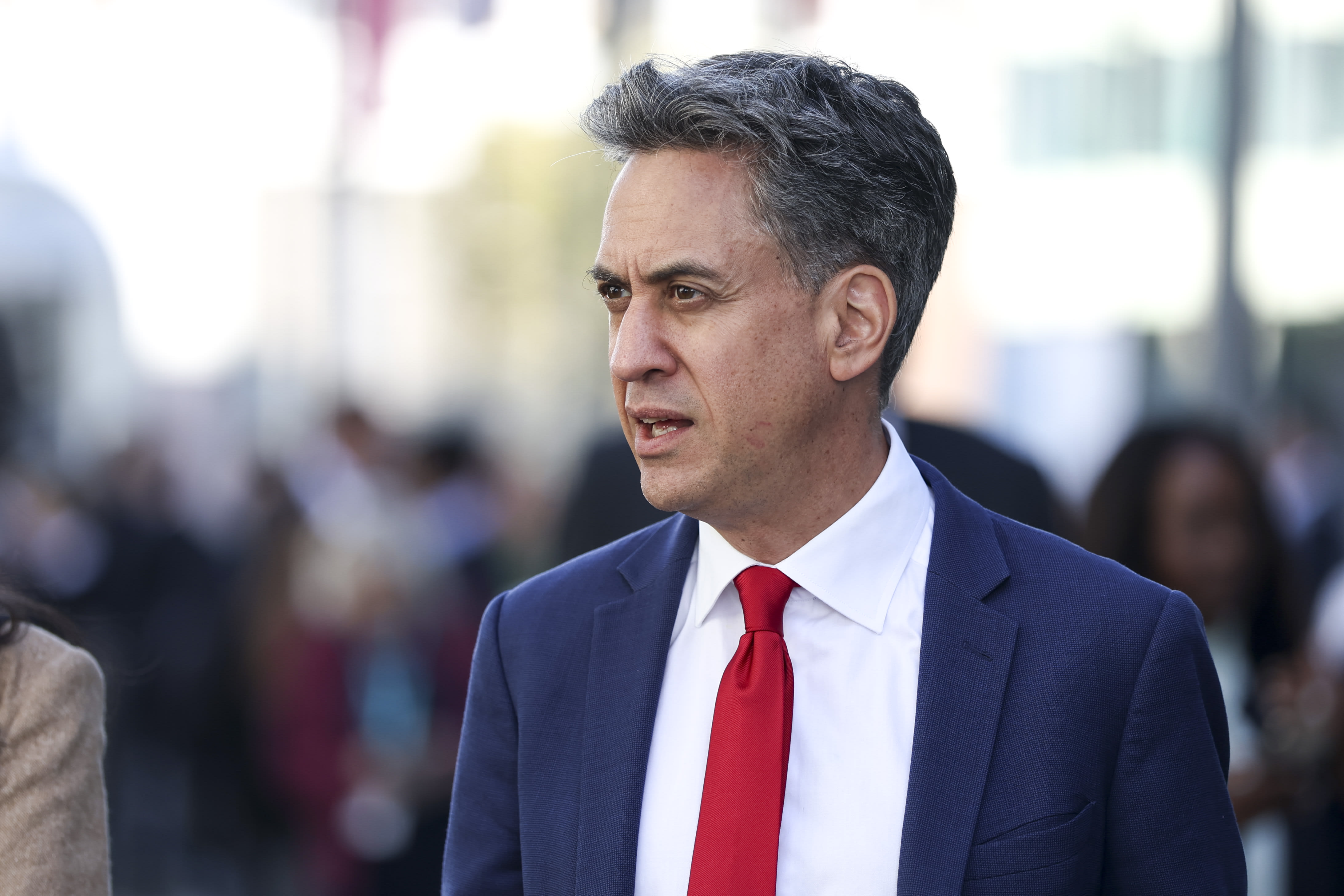 UK's Miliband to push for more pro-Palestinian foreign policies in upcoming party speech - report
Open this report in The AI Times →
Read it at The Jerusalem Post →
What we have measured
A count the body does not carry the headline says eight countries; the sentence names seven foreign ministers ×1Actor framing The Gulf ministers are the ones acting. Iran is the party they meet. ×1Actor generalised The headline has 'Baghdad' celebrating. The photo caption says the crowd is supporters of one armed group. ×1Actor named names the militias and calls the act 'desecration', in its own voice ×1
Outlet profile in The AI Times →
Palestine TV · Palestinian Broadcasting Corporation
Palestine TV · Palestinian Broadcasting Corporation
🇵🇸PS ·
TV/radio · state-controlled
زملط: موقف بريطانيا من فلسطين يعكس تحولا تاريخيا
Open this report in The AI Times →
Read it at Palestine TV · Palestinian Broadcasting Corporation →
What we have measured
Asserted versus attributed recognition itself stated as fact ×1Attribution 'historic' attributed to the Palestinian ambassador ×1Dead counted, not named two dead are counted as 'citizens' and none are named; the wounded are not counted ×1Dead named Gives the dead man's full name and age. ×1
Outlet profile in The AI Times →
The Jerusalem Post
The Jerusalem Post
🇮🇱IL ·
newspaper · independent
UK's Miliband to push for more pro-Palestinian foreign policies in upcoming party speech - report
Open this report in The AI Times →
Read it at The Jerusalem Post →
What we have measured
A count the body does not carry the headline says eight countries; the sentence names seven foreign ministers ×1Actor framing The Gulf ministers are the ones acting. Iran is the party they meet. ×1Actor generalised The headline has 'Baghdad' celebrating. The photo caption says the crowd is supporters of one armed group. ×1Actor named names the militias and calls the act 'desecration', in its own voice ×1
Outlet profile in The AI Times →
The Jerusalem Post
The Jerusalem Post
🇮🇱IL ·
newspaper · independent
 'Grief can't be an excuse': Peace activist who lost parents on Oct. 7 criticizes Israel at UNSC
Open this report in The AI Times →
Read it at The Jerusalem Post →
What we have measured
A count the body does not carry the headline says eight countries; the sentence names seven foreign ministers ×1Actor framing The Gulf ministers are the ones acting. Iran is the party they meet. ×1Actor generalised The headline has 'Baghdad' celebrating. The photo caption says the crowd is supporters of one armed group. ×1Actor named names the militias and calls the act 'desecration', in its own voice ×1
Outlet profile in The AI Times →
One policy, two labels
One report calls Britain's course 'pro-Palestinian' in its own voice and sources it to an unnamed report. The other calls it 'historic', but only in the words of the Palestinian ambassador, whom it names. Neither report quotes a British official.
The Jerusalem Post
The Jerusalem Post
🇮🇱IL ·
newspaper · independent
UK's Miliband to push for more pro-Palestinian foreign policies in upcoming party speech - report
Open this report in The AI Times →
Read it at The Jerusalem Post →
What we have measured
A count the body does not carry the headline says eight countries; the sentence names seven foreign ministers ×1Actor framing The Gulf ministers are the ones acting. Iran is the party they meet. ×1Actor generalised The headline has 'Baghdad' celebrating. The photo caption says the crowd is supporters of one armed group. ×1Actor named names the militias and calls the act 'desecration', in its own voice ×1
Outlet profile in The AI Times →
Palestine TV · Palestinian Broadcasting Corporation
Palestine TV · Palestinian Broadcasting Corporation
🇵🇸PS ·
TV/radio · state-controlled
زملط: موقف بريطانيا من فلسطين يعكس تحولا تاريخيا
Open this report in The AI Times →
Read it at Palestine TV · Palestinian Broadcasting Corporation →
What we have measured
Asserted versus attributed recognition itself stated as fact ×1Attribution 'historic' attributed to the Palestinian ambassador ×1Dead counted, not named two dead are counted as 'citizens' and none are named; the wounded are not counted ×1Dead named Gives the dead man's full name and age. ×1
Outlet profile in The AI Times →
The Jerusalem Post
The Jerusalem Post
🇮🇱IL ·
newspaper · independent
'Grief can't be an excuse': Peace activist who lost parents on Oct. 7 criticizes Israel at UNSC
Open this report in The AI Times →
Read it at The Jerusalem Post →
What we have measured
A count the body does not carry the headline says eight countries; the sentence names seven foreign ministers ×1Actor framing The Gulf ministers are the ones acting. Iran is the party they meet. ×1Actor generalised The headline has 'Baghdad' celebrating. The photo caption says the crowd is supporters of one armed group. ×1Actor named names the militias and calls the act 'desecration', in its own voice ×1
Outlet profile in The AI Times →
Claims and verdicts
No claims registered.
Who wrote it
The Jerusalem Post
The Jerusalem Post
Palestine TV · Palestinian Broadcasting Corporation
Coverage, outlet by outlet
The Jerusalem Post
The Jerusalem Post
🇮🇱IL ·
newspaper · independent
UK's Miliband to push for more pro-Palestinian foreign policies in upcoming party speech - report
Open this report in The AI Times →
Read it at The Jerusalem Post →
What we have measured
A count the body does not carry the headline says eight countries; the sentence names seven foreign ministers ×1Actor framing The Gulf ministers are the ones acting. Iran is the party they meet. ×1Actor generalised The headline has 'Baghdad' celebrating. The photo caption says the crowd is supporters of one armed group. ×1Actor named names the militias and calls the act 'desecration', in its own voice ×1
Outlet profile in The AI Times →
— independent
The Jerusalem Post
The Jerusalem Post
🇮🇱IL ·
newspaper · independent
'Grief can't be an excuse': Peace activist who lost parents on Oct. 7 criticizes Israel at UNSC
Open this report in The AI Times →
Read it at The Jerusalem Post →
What we have measured
A count the body does not carry the headline says eight countries; the sentence names seven foreign ministers ×1Actor framing The Gulf ministers are the ones acting. Iran is the party they meet. ×1Actor generalised The headline has 'Baghdad' celebrating. The photo caption says the crowd is supporters of one armed group. ×1Actor named names the militias and calls the act 'desecration', in its own voice ×1
Outlet profile in The AI Times →
— independent
Palestine TV · Palestinian Broadcasting Corporation
Palestine TV · Palestinian Broadcasting Corporation
🇵🇸PS ·
TV/radio · state-controlled
زملط: موقف بريطانيا من فلسطين يعكس تحولا تاريخيا
Open this report in The AI Times →
Read it at Palestine TV · Palestinian Broadcasting Corporation →
What we have measured
Asserted versus attributed recognition itself stated as fact ×1Attribution 'historic' attributed to the Palestinian ambassador ×1Dead counted, not named two dead are counted as 'citizens' and none are named; the wounded are not counted ×1Dead named Gives the dead man's full name and age. ×1
Outlet profile in The AI Times →
— state-controlled International Criminal Court
INT ·
official record · intergovernmental body
What we have measured
Outlet profile in The AI Times →
 UN News
INT ·
official record · intergovernmental body
What we have measured
Actors named Names both vetoing states and the sponsor, and says what the draft would have created ×1Asserted versus attributed share of women and children among the dead given with no source ×1Asserted vs attributed Israel named as acting, stated in the report's own voice ×1Asymmetric verb The Iranian government's crimes are 'confirmed'. The US finding is only 'reasonable grounds'. The two findings are weighted differently in one sentence. ×1
Outlet profile in The AI Times →
 International Court of Justice
INT ·
official record · intergovernmental body
What we have measured
Outlet profile in The AI Times →