Regnum says Saudi air strikes hit a Taiz market; Haaretz carries Yemen's government saying it hit a Houthi camp nearby
Both reports carry the same toll from the Houthi side: at least seven dead and 40 wounded. They disagree on who carried out the strike and on what it hit.
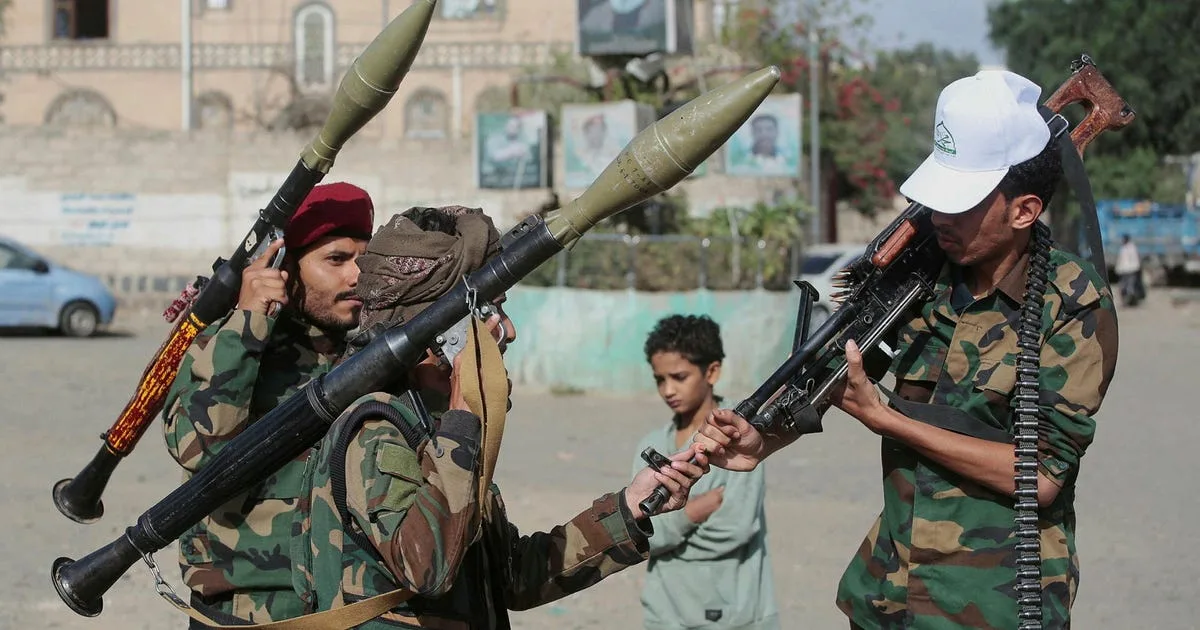
One toll, from one side. Haaretz and Regnum both carry the same count for a strike on a market in Taiz province, in south-west Yemen, on 27 September: at least seven dead and 40 wounded. Both take it from the Houthis. Regnum credits it to the health ministry run by Ansar Allah, the Houthi movement. Neither report names any of the dead.
Two different strikers. Regnum says in its own voice that Saudi air strikes hit the market. Haaretz's headline names no striker. The one line of its report we have read gives the account of Yemen's Saudi-backed government, which said it targeted a Houthi military camp and vehicles near a market.
| Haaretz | Regnum | |
|---|---|---|
| Who struck | Yemen's Saudi-backed government, by its own account | Saudi Arabia, stated as fact |
| What was hit | a Houthi camp and vehicles near a market, the government says | the market |
| Toll | 7 dead, 40 wounded, the Houthis say | at least 7 dead, 40 hurt, the Houthi-run ministry says |
What is not settled - Who struck. The two reports name different actors. Neither cites a second source for its version. - What was hit. Only the government says there was a camp. No report we hold confirms or rules it out. - The toll. Both figures come from the Houthi side. We hold no independent count. - The rest of each report. We have read only the opening lines of each.
What this is about: a deadly strike on a market in Taiz, a divided city in south-west Yemen, in a war that has run for more than a decade.
How it got here. In September 2014 the Houthis, an armed movement from Yemen's north that calls itself Ansar Allah, took the capital, Sanaa. The internationally recognised government fled south. In March 2015 a coalition led by Saudi Arabia went to war against the Houthis to restore that government, and it relied heavily on air power. Taiz, Yemen's third city, became one of the longest-running front lines. The Houthis hold its surroundings. Government forces hold much of the city itself. In April 2022 the government's powers passed to a Presidential Leadership Council, backed by Saudi Arabia, and a UN-brokered truce began. The truce formally lapsed that October. Large-scale fighting mostly stayed down afterwards, but clashes and strikes around front lines such as Taiz did not stop.
Who the actors are. - The Houthis govern Sanaa and much of the north. They run their own ministries, including the health ministry that gave this toll. - Yemen's government is recognised at the UN and is backed by Saudi Arabia. It says it carried out this strike. - Saudi Arabia has led the coalition against the Houthis since 2015. Regnum names it as the striker. Neither report carries a Saudi comment.
What is at stake. Whether a strike hit a market or a military camp decides whether it counts as an attack on civilians. Who carried it out decides who answers for it: the Yemeni government or Saudi Arabia.
Where it stands. We hold two reports, one Israeli and one Russian. Each carries one side's account, and no independent count or check of the site.
The story so far
- Reuters says the drone was "launched by Yemen's Houthis"; the Jerusalem Post says "likely launched" · 17 Sep 2026
- Jerusalem Post says "terror group", Al-Modon says "the group" — and Saudi Arabia says nothing about either strike · 16 Sep 2026
Earlier stories The AI Times filed on this thread.
What is being argued about
- Who carried out the strike: Saudi Arabia, as Regnum says, or Yemen's government, as the government says
- Whether the target was a market or a Houthi camp and vehicles near it
- A death toll that comes only from the Houthi-run health ministry
- No names given for any of the dead
| Outlet | Who struck | What was hit | Where the toll comes from | Striker stated or attributed? |
|---|---|---|---|---|
| Haaretz | Yemen's Saudi-backed government, by its own account; the headline names no striker | "a Houthi military camp and vehicles near a market", the government says | the Houthis | attributed |
| Regnum | Saudi Arabia: "Saudi Arabian air strikes on the market" | the market | the health ministry controlled by Ansar Allah (the Houthis) | stated as fact |
 Haaretz
🇮🇱IL ·
newspaper · independent
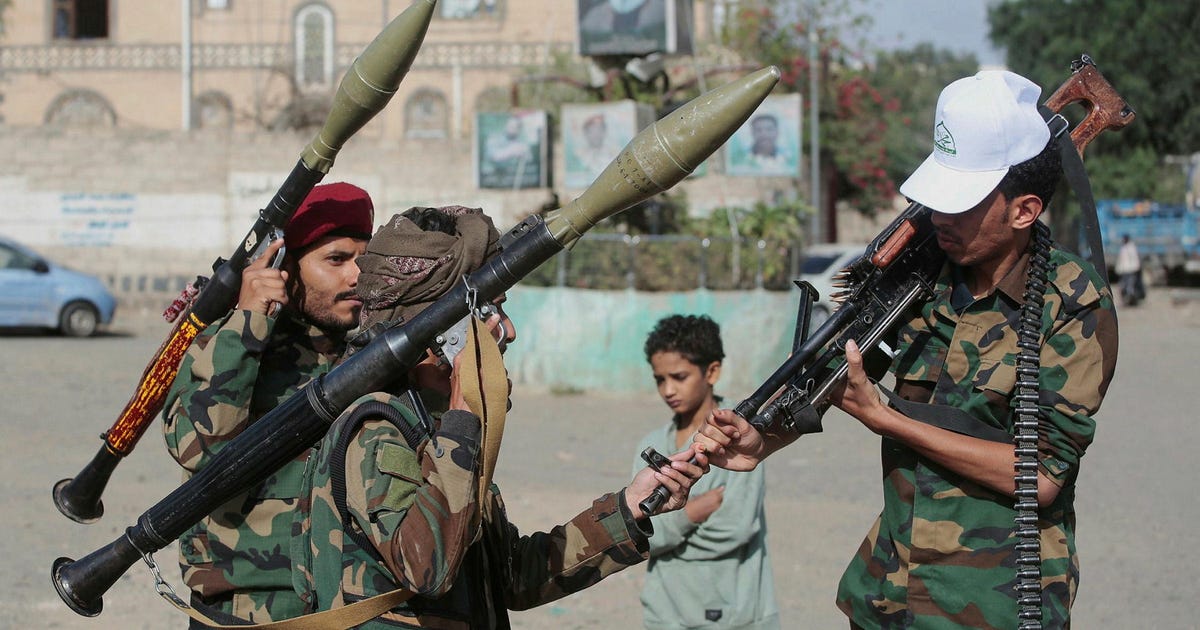 Seven people killed, 40 wounded in strike on market in Yemen's Taiz, Houthis say
Open this report in The AI Times →
Read it at Haaretz →
What we have measured
A previous framing corrected the twelve-country statement described as ambiguously worded ×1Asserted flat The report states as fact that barring Arab parties is a standing ritual. ×1Asserted flat The report says ethnicity explains the different outcomes, in its own voice. ×1Asserted in the report's own voice Parties are characterised by what they are said to promise, unattributed, and the headline calls the result frightening. ×1
Outlet profile in The AI Times →
R
Regnum
 Хуситы сообщили о семи погибших и 40 пострадавших при ударе по рынку в Йемене
Open this report in The AI Times →
Read it at Regnum →
What we have measured
Actor label Calls Ukraine's president the head of a regime in the report's own voice. ×1Actor named names Ukraine's forces as the attacker of the town ×1Actor named Ukraine's armed forces are named outright as the side attacking the town ×1Actor named Names the organiser and says he is under arrest ×1
Outlet profile in The AI Times →
- 2026-09-2714:00 Regnum publication time Regnum Reports Saudi air strikes on the market in Taiz province at least 7 dead, 40 hurttoll from the Houthi-run health ministry
- 2026-09-2714:15 Haaretz publication time Haaretz Carries the government's statement that it targeted a Houthi camp and vehicles near a market 7 dead, 40 woundedtoll attributed to the Houthis
Хуситы сообщили о семи погибших и 40 пострадавших при ударе по рынку в Йемене
Open this report in The AI Times →
Read it at Regnum →
What we have measured
Actor label Calls Ukraine's president the head of a regime in the report's own voice. ×1Actor named names Ukraine's forces as the attacker of the town ×1Actor named Ukraine's armed forces are named outright as the side attacking the town ×1Actor named Names the organiser and says he is under arrest ×1
Outlet profile in The AI Times →
Haaretz
Haaretz
🇮🇱IL ·
newspaper · independent
Seven people killed, 40 wounded in strike on market in Yemen's Taiz, Houthis say
Open this report in The AI Times →
Read it at Haaretz →
What we have measured
A previous framing corrected the twelve-country statement described as ambiguously worded ×1Asserted flat The report states as fact that barring Arab parties is a standing ritual. ×1Asserted flat The report says ethnicity explains the different outcomes, in its own voice. ×1Asserted in the report's own voice Parties are characterised by what they are said to promise, unattributed, and the headline calls the result frightening. ×1
Outlet profile in The AI Times →
Who struck the market: one report says Saudi Arabia, the other says the government
One report names Saudi air strikes as the cause in its own voice. The other gives the government's account that it hit a Houthi camp near the market, and its headline names no striker at all. Both take the toll from the Houthi side, and neither names any of the dead.
Haaretz
Haaretz
🇮🇱IL ·
newspaper · independent
Seven people killed, 40 wounded in strike on market in Yemen's Taiz, Houthis say
Open this report in The AI Times →
Read it at Haaretz →
What we have measured
A previous framing corrected the twelve-country statement described as ambiguously worded ×1Asserted flat The report states as fact that barring Arab parties is a standing ritual. ×1Asserted flat The report says ethnicity explains the different outcomes, in its own voice. ×1Asserted in the report's own voice Parties are characterised by what they are said to promise, unattributed, and the headline calls the result frightening. ×1
Outlet profile in The AI Times →
R
Regnum
Хуситы сообщили о семи погибших и 40 пострадавших при ударе по рынку в Йемене
Open this report in The AI Times →
Read it at Regnum →
What we have measured
Actor label Calls Ukraine's president the head of a regime in the report's own voice. ×1Actor named names Ukraine's forces as the attacker of the town ×1Actor named Ukraine's armed forces are named outright as the side attacking the town ×1Actor named Names the organiser and says he is under arrest ×1
Outlet profile in The AI Times →
Claims and verdicts
No claims registered.
Who wrote it
Coverage, outlet by outlet
Haaretz
Haaretz
🇮🇱IL ·
newspaper · independent
Seven people killed, 40 wounded in strike on market in Yemen's Taiz, Houthis say
Open this report in The AI Times →
Read it at Haaretz →
What we have measured
A previous framing corrected the twelve-country statement described as ambiguously worded ×1Asserted flat The report states as fact that barring Arab parties is a standing ritual. ×1Asserted flat The report says ethnicity explains the different outcomes, in its own voice. ×1Asserted in the report's own voice Parties are characterised by what they are said to promise, unattributed, and the headline calls the result frightening. ×1
Outlet profile in The AI Times →
— independent
Хуситы сообщили о семи погибших и 40 пострадавших при ударе по рынку в Йемене
Open this report in The AI Times →
Read it at Regnum →
What we have measured
Actor label Calls Ukraine's president the head of a regime in the report's own voice. ×1Actor named names Ukraine's forces as the attacker of the town ×1Actor named Ukraine's armed forces are named outright as the side attacking the town ×1Actor named Names the organiser and says he is under arrest ×1
Outlet profile in The AI Times →
—  International Criminal Court
INT ·
official record · intergovernmental body
What we have measured
Outlet profile in The AI Times →
 UN News
INT ·
official record · intergovernmental body
What we have measured
Actors named Names both vetoing states and the sponsor, and says what the draft would have created ×1Asserted versus attributed share of women and children among the dead given with no source ×1Asserted vs attributed Israel named as acting, stated in the report's own voice ×1Asymmetric verb The Iranian government's crimes are 'confirmed'. The US finding is only 'reasonable grounds'. The two findings are weighted differently in one sentence. ×1
Outlet profile in The AI Times →
 International Court of Justice
INT ·
official record · intergovernmental body
What we have measured
Outlet profile in The AI Times →