Bessent calls the China talks a "very successful engagement"; The New York Times says China's farm purchases "Hasn't Happened"
Days before Donald Trump meets Xi Jinping, the US Treasury secretary said Sunday's talks went well and proposed an alert system for AI incidents. The New York Times reported an "uneasy" truce and unmet farm purchases. Reuters reported progress on Boeing orders. We hold no Chinese account of the talks.
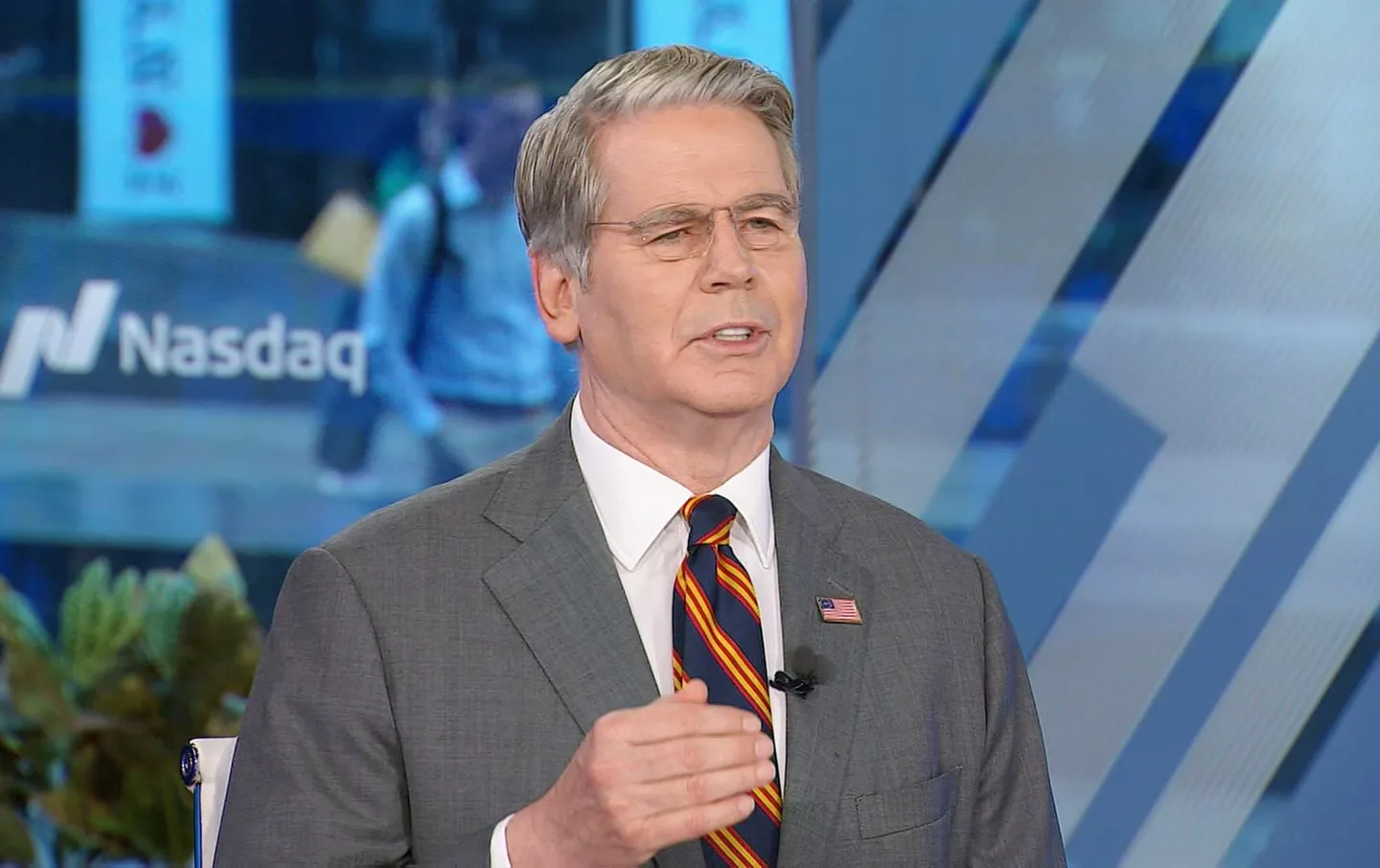
Washington's account. Treasury Secretary Scott Bessent told The Hill the Sunday talks were "a very successful engagement with the Chinese on trade and AI". The Hill, The Washington Post and The New York Times all report the AI proposal he described: the two governments would notify each other of AI incidents that rise to "a national security" level.
The doubts. The New York Times calls the truce "uneasy". It says tit-for-tat measures "call into question the stability" of the deal. It also reports that China has not bought the extra farm goods it promised, except soybeans. Only the Times reports this. We could not check it against a second source.
| Question | One account | Another account |
|---|---|---|
| How did the talks go? | "Very successful" (Bessent, to The Hill) | "Now Comes the Hard Part" (New York Times) |
| Is China buying? | Farm goods: "It Hasn't Happened" (New York Times) | Boeing: "making progress" (Reuters) |
| When? | Xi travels "on Wednesday" (Breitbart) | Meetings "on Thursday" (Washington Post) |
The two dates may not conflict: one is travel, the other is the meetings.
What is not settled - China's side. None of the 13 reports quotes a named Chinese official. - Whether a $14 billion arms sale to Taiwan goes ahead. Beijing wants it frozen, the Times reports. - Whether the Boeing and farm purchases are ever completed.
What this is about: the leaders of the world's two largest economies meet this week. The talks will test a trade truce that both sides call fragile.
How it got here. Donald Trump returned to the White House in January 2025. He raised tariffs on Chinese goods sharply, and China answered with tariffs of its own. For much of 2025 the two governments traded tariffs and export limits in turn. Talks between Treasury officials and Chinese negotiators then produced a truce: tariffs came down, and China promised to buy more American goods, including farm produce. The truce has held since then, but it is a pause, not a settled deal. The Reuters report we hold says China announced Boeing purchases in May.
Who is involved, and why. - Donald Trump, the US president, wants China to buy more American goods and to narrow the trade gap. - Xi Jinping, China's president and Communist Party leader, wants tariffs and technology limits eased. He also wants US arms sales to Taiwan stopped. - Scott Bessent, the US Treasury secretary, leads Washington's trade talks. His counterpart is China's vice premier. - Taiwan is a self-governing island. Beijing says it is part of China. US law, the Taiwan Relations Act of 1979, commits Washington to supplying weapons Taiwan needs to defend itself. - Japan and South Korea are US treaty allies. Beijing's dealings with Washington affect their security.
What is at stake. Farm exports and aircraft orders matter to American farmers and to Boeing. A shared alert system for AI incidents would be a new channel between two rival powers. A frozen arms sale would be a change in US policy towards Taiwan.
Where it stands. Officials held preparatory talks on Sunday. China's Foreign Ministry has confirmed Xi's trip. Trump is at the United Nations on Tuesday. The meetings with Xi are on Thursday.
What is being argued about
- Whether the US-China trade truce is holding
- Whether China is buying the farm goods and aircraft it promised
- A proposed US-China alert system for AI incidents
- A $14 billion US arms sale to Taiwan that Beijing wants frozen
| Outlet | What it said | Whose voice |
|---|---|---|
| The Hill | "We just had a very successful engagement with the Chinese on trade and AI" | Bessent, quoted |
| The New York Times | "Trump and Xi Meet Amid an Uneasy U.S.-China Trade Truce" | The report's own |
| The New York Times | "China Promised to Buy More U.S. Farm Goods. It Hasn't Happened." | The report's own |
| Reuters | "China making progress on finalizing Boeing purchases announced in May" | The report's own |
| The Washington Post | "the president will largely stand alone" | The report's own |
 The Hill
🇺🇸US ·
digital · independent
 Bessent on talks with China ahead of Trump-Xi meeting: ‘Very successful engagement’
Open this report in The AI Times →
Read it at The Hill →
What we have measured
Accusation attributed the word lying is placed in a named politician's mouth, not the outlet's ×1Actor named No actor named for who kept reporters out ×1Actor named No actor named for who let reporters back in ×1Actor named Names the state as the one that carried out the execution. ×1
Outlet profile in The AI Times →
 The New York Times
🇺🇸US ·
newspaper · independent
 Trump and Xi Meet Amid an Uneasy U.S.-China Trade Truce
Open this report in The AI Times →
Read it at The New York Times →
What we have measured
Active and passive voice the ship is 'targeted' with no actor, one sentence before a named actor is given for the Saudi attack ×1Active vs passive voice Pike is named as the killer in the active voice; the botched execution has no actor named ×1Actor label Names the shooter by its backer, not by its own name. ×1Actor named Names the official and what the process did to Pike. ×1
Outlet profile in The AI Times →
The New York Times
The New York Times
🇺🇸US ·
newspaper · independent
China Promised to Buy More U.S. Farm Goods. It Hasn’t Happened.
Open this report in The AI Times →
Read it at The New York Times →
What we have measured
Active and passive voice the ship is 'targeted' with no actor, one sentence before a named actor is given for the Saudi attack ×1Active vs passive voice Pike is named as the killer in the active voice; the botched execution has no actor named ×1Actor label Names the shooter by its backer, not by its own name. ×1Actor named Names the official and what the process did to Pike. ×1
Outlet profile in The AI Times →
 Reuters
🇺🇸US ·
wire · independent
 China making progress on finalizing Boeing purchases announced in May
Open this report in The AI Times →
Read it at Reuters →
What we have measured
Actor named The attacker is the subject of an active verb for both the deaths and the damage ×1Actor named No actor named for who cancelled the flights ×1Agreement stated flat, source in a tail attribution moved after the dash ×1Announcement written as settled A social-media post becomes a future indicative: the conversion will happen ×1
Outlet profile in The AI Times →
T
The Washington Post
 Trump heads into a week of diplomacy, hampered by a lack of allies
Open this report in The AI Times →
Read it at The Washington Post →
What we have measured
Accused's denial carried the only report carrying the Marine's side ×1Actor named via accusation the administration is named as acting, through the ranchers' charge; the price rise is stated flat ×1Asserted, not attributed a shift of power to Iran stated flat in the headline ×1Asserted or attributed the headline states as data what the body shows the chair selecting in a speech ×1
Outlet profile in The AI Times →
- 2026-09-21— no time published Bessent and China's vice premier Talks on trade and AI on Sunday; the US proposes an AI incident alert systemThe New York Times, The Hill
- 2026-09-21— no time published Chinese Foreign Ministry Confirms Xi will travel to the United States on WednesdayBreitbart
- 2026-09-22— no time published Trump At the United Nations on TuesdayThe Washington Post
- 2026-09-23— no time published Xi Jinping Travels to the United StatesBreitbart
- 2026-09-24— no time published Trump and Xi Meetings on ThursdayThe Washington Post
The New York Times
The New York Times
🇺🇸US ·
newspaper · independent
U.S. and China Discuss System to Warn of A.I. National Security Issues
Open this report in The AI Times →
Read it at The New York Times →
What we have measured
Active and passive voice the ship is 'targeted' with no actor, one sentence before a named actor is given for the Saudi attack ×1Active vs passive voice Pike is named as the killer in the active voice; the botched execution has no actor named ×1Actor label Names the shooter by its backer, not by its own name. ×1Actor named Names the official and what the process did to Pike. ×1
Outlet profile in The AI Times →
The Hill
The Hill
🇺🇸US ·
digital · independent
Bessent: US suggesting AI alert system with China ahead of Trump-Xi talks
Open this report in The AI Times →
Read it at The Hill →
What we have measured
Accusation attributed the word lying is placed in a named politician's mouth, not the outlet's ×1Actor named No actor named for who kept reporters out ×1Actor named No actor named for who let reporters back in ×1Actor named Names the state as the one that carried out the execution. ×1
Outlet profile in The AI Times →
 Breitbart
🇺🇸US ·
digital · independent
 China Confirms Xi Jinping to Visit U.S. on Wednesday
Open this report in The AI Times →
Read it at Breitbart →
What we have measured
Anyone hurt is counted, not named eight deaths given as a number only ×1Framing of motive The lede calls the denial a punishment and puts 'fake news' in quotation marks; the officials being sued are left unnamed ×1How the person shot is named a status, not a name: the only report that never uses either name calls him an illegal alien ×1How the place is described a party label attached to the city in the same clause as the casualty count ×1
Outlet profile in The AI Times →
T
The Washington Post
Trump heads into a week of diplomacy, hampered by a lack of allies
Open this report in The AI Times →
Read it at The Washington Post →
What we have measured
Accused's denial carried the only report carrying the Marine's side ×1Actor named via accusation the administration is named as acting, through the ranchers' charge; the price rise is stated flat ×1Asserted, not attributed a shift of power to Iran stated flat in the headline ×1Asserted or attributed the headline states as data what the body shows the chair selecting in a speech ×1
Outlet profile in The AI Times →
One side's account of the talks
Five reports are built around the Treasury secretary's account of the talks. None of the reports we hold quotes a Chinese official by name; China's vice premier is mentioned, but not quoted. On purchases, one report says the farm promises went unmet and another says Boeing orders are progressing.
The Hill
The Hill
🇺🇸US ·
digital · independent
Bessent on talks with China ahead of Trump-Xi meeting: ‘Very successful engagement’
Open this report in The AI Times →
Read it at The Hill →
What we have measured
Accusation attributed the word lying is placed in a named politician's mouth, not the outlet's ×1Actor named No actor named for who kept reporters out ×1Actor named No actor named for who let reporters back in ×1Actor named Names the state as the one that carried out the execution. ×1
Outlet profile in The AI Times →
The Hill
The Hill
🇺🇸US ·
digital · independent
Bessent: US suggesting AI alert system with China ahead of Trump-Xi talks
Open this report in The AI Times →
Read it at The Hill →
What we have measured
Accusation attributed the word lying is placed in a named politician's mouth, not the outlet's ×1Actor named No actor named for who kept reporters out ×1Actor named No actor named for who let reporters back in ×1Actor named Names the state as the one that carried out the execution. ×1
Outlet profile in The AI Times →
T
The Washington Post
U.S. proposes AI incident alert system in talks with China
Open this report in The AI Times →
Read it at The Washington Post →
What we have measured
Accused's denial carried the only report carrying the Marine's side ×1Actor named via accusation the administration is named as acting, through the ranchers' charge; the price rise is stated flat ×1Asserted, not attributed a shift of power to Iran stated flat in the headline ×1Asserted or attributed the headline states as data what the body shows the chair selecting in a speech ×1
Outlet profile in The AI Times →
The New York Times
The New York Times
🇺🇸US ·
newspaper · independent
U.S. and China Discuss System to Warn of A.I. National Security Issues
Open this report in The AI Times →
Read it at The New York Times →
What we have measured
Active and passive voice the ship is 'targeted' with no actor, one sentence before a named actor is given for the Saudi attack ×1Active vs passive voice Pike is named as the killer in the active voice; the botched execution has no actor named ×1Actor label Names the shooter by its backer, not by its own name. ×1Actor named Names the official and what the process did to Pike. ×1
Outlet profile in The AI Times →
The New York Times
The New York Times
🇺🇸US ·
newspaper · independent
Bessent and China Hail Progress on A.I. Talks. Now Comes the Hard Part.
Open this report in The AI Times →
Read it at The New York Times →
What we have measured
Active and passive voice the ship is 'targeted' with no actor, one sentence before a named actor is given for the Saudi attack ×1Active vs passive voice Pike is named as the killer in the active voice; the botched execution has no actor named ×1Actor label Names the shooter by its backer, not by its own name. ×1Actor named Names the official and what the process did to Pike. ×1
Outlet profile in The AI Times →
 CNBC
CNBC
🇺🇸US ·
TV/radio · independent
 Trump admin won't give AI leaders a 'liability shield,' Bessent tells CNBC
Open this report in The AI Times →
Read it at CNBC →
What we have measured
Accepted term 'refund' used without quotation marks ×1Asserted versus attributed gives the motive as fact, not as Trump's stated reason ×1Attackers named as proxies the attackers are named only through their backer, Iran ×1Attacks named but not counted The report names the attackers. 'Escalating' comes with no count of attacks or damage. ×1
Outlet profile in The AI Times →
The New York Times
The New York Times
🇺🇸US ·
newspaper · independent
Trump and Xi Meet Amid an Uneasy U.S.-China Trade Truce
Open this report in The AI Times →
Read it at The New York Times →
What we have measured
Active and passive voice the ship is 'targeted' with no actor, one sentence before a named actor is given for the Saudi attack ×1Active vs passive voice Pike is named as the killer in the active voice; the botched execution has no actor named ×1Actor label Names the shooter by its backer, not by its own name. ×1Actor named Names the official and what the process did to Pike. ×1
Outlet profile in The AI Times →
The New York Times
The New York Times
🇺🇸US ·
newspaper · independent
China Promised to Buy More U.S. Farm Goods. It Hasn’t Happened.
Open this report in The AI Times →
Read it at The New York Times →
What we have measured
Active and passive voice the ship is 'targeted' with no actor, one sentence before a named actor is given for the Saudi attack ×1Active vs passive voice Pike is named as the killer in the active voice; the botched execution has no actor named ×1Actor label Names the shooter by its backer, not by its own name. ×1Actor named Names the official and what the process did to Pike. ×1
Outlet profile in The AI Times →
Reuters
Reuters
🇺🇸US ·
wire · independent
China making progress on finalizing Boeing purchases announced in May
Open this report in The AI Times →
Read it at Reuters →
What we have measured
Actor named The attacker is the subject of an active verb for both the deaths and the damage ×1Actor named No actor named for who cancelled the flights ×1Agreement stated flat, source in a tail attribution moved after the dash ×1Announcement written as settled A social-media post becomes a future indicative: the conversion will happen ×1
Outlet profile in The AI Times →
The New York Times
The New York Times
🇺🇸US ·
newspaper · independent
One Issue That Could Upend Fragile U.S.-China Ties: Taiwan Arms
Open this report in The AI Times →
Read it at The New York Times →
What we have measured
Active and passive voice the ship is 'targeted' with no actor, one sentence before a named actor is given for the Saudi attack ×1Active vs passive voice Pike is named as the killer in the active voice; the botched execution has no actor named ×1Actor label Names the shooter by its backer, not by its own name. ×1Actor named Names the official and what the process did to Pike. ×1
Outlet profile in The AI Times →
Breitbart
Breitbart
🇺🇸US ·
digital · independent
China Confirms Xi Jinping to Visit U.S. on Wednesday
Open this report in The AI Times →
Read it at Breitbart →
What we have measured
Anyone hurt is counted, not named eight deaths given as a number only ×1Framing of motive The lede calls the denial a punishment and puts 'fake news' in quotation marks; the officials being sued are left unnamed ×1How the person shot is named a status, not a name: the only report that never uses either name calls him an illegal alien ×1How the place is described a party label attached to the city in the same clause as the casualty count ×1
Outlet profile in The AI Times →
T
The Washington Post
Trump heads into a week of diplomacy, hampered by a lack of allies
Open this report in The AI Times →
Read it at The Washington Post →
What we have measured
Accused's denial carried the only report carrying the Marine's side ×1Actor named via accusation the administration is named as acting, through the ranchers' charge; the price rise is stated flat ×1Asserted, not attributed a shift of power to Iran stated flat in the headline ×1Asserted or attributed the headline states as data what the body shows the chair selecting in a speech ×1
Outlet profile in The AI Times →
Reuters
Reuters
🇺🇸US ·
wire · independent
Rubio meets Japanese and Korean allies ahead of Trump China summit
Open this report in The AI Times →
Read it at Reuters →
What we have measured
Actor named The attacker is the subject of an active verb for both the deaths and the damage ×1Actor named No actor named for who cancelled the flights ×1Agreement stated flat, source in a tail attribution moved after the dash ×1Announcement written as settled A social-media post becomes a future indicative: the conversion will happen ×1
Outlet profile in The AI Times →
Claims and verdicts
No claims registered.
Who wrote it
The New York Times · 2 reports on this story
The Hill
The Hill
CNBC
CNBC
The New York Times
The New York Times
The New York Times
The New York Times
The New York Times
The New York Times
The New York Times
The New York Times
The New York Times
Coverage, outlet by outlet
Reuters
Reuters
🇺🇸US ·
wire · independent
China making progress on finalizing Boeing purchases announced in May
Open this report in The AI Times →
Read it at Reuters →
What we have measured
Actor named The attacker is the subject of an active verb for both the deaths and the damage ×1Actor named No actor named for who cancelled the flights ×1Agreement stated flat, source in a tail attribution moved after the dash ×1Announcement written as settled A social-media post becomes a future indicative: the conversion will happen ×1
Outlet profile in The AI Times →
— independent
Reuters
Reuters
🇺🇸US ·
wire · independent
Rubio meets Japanese and Korean allies ahead of Trump China summit
Open this report in The AI Times →
Read it at Reuters →
What we have measured
Actor named The attacker is the subject of an active verb for both the deaths and the damage ×1Actor named No actor named for who cancelled the flights ×1Agreement stated flat, source in a tail attribution moved after the dash ×1Announcement written as settled A social-media post becomes a future indicative: the conversion will happen ×1
Outlet profile in The AI Times →
— independent
Breitbart
Breitbart
🇺🇸US ·
digital · independent
China Confirms Xi Jinping to Visit U.S. on Wednesday
Open this report in The AI Times →
Read it at Breitbart →
What we have measured
Anyone hurt is counted, not named eight deaths given as a number only ×1Framing of motive The lede calls the denial a punishment and puts 'fake news' in quotation marks; the officials being sued are left unnamed ×1How the person shot is named a status, not a name: the only report that never uses either name calls him an illegal alien ×1How the place is described a party label attached to the city in the same clause as the casualty count ×1
Outlet profile in The AI Times →
— independent
The New York Times
The New York Times
🇺🇸US ·
newspaper · independent
Trump and Xi Meet Amid an Uneasy U.S.-China Trade Truce
Open this report in The AI Times →
Read it at The New York Times →
What we have measured
Active and passive voice the ship is 'targeted' with no actor, one sentence before a named actor is given for the Saudi attack ×1Active vs passive voice Pike is named as the killer in the active voice; the botched execution has no actor named ×1Actor label Names the shooter by its backer, not by its own name. ×1Actor named Names the official and what the process did to Pike. ×1
Outlet profile in The AI Times →
— independent
The Hill
The Hill
🇺🇸US ·
digital · independent
Bessent: US suggesting AI alert system with China ahead of Trump-Xi talks
Open this report in The AI Times →
Read it at The Hill →
What we have measured
Accusation attributed the word lying is placed in a named politician's mouth, not the outlet's ×1Actor named No actor named for who kept reporters out ×1Actor named No actor named for who let reporters back in ×1Actor named Names the state as the one that carried out the execution. ×1
Outlet profile in The AI Times →
— independent
U.S. proposes AI incident alert system in talks with China
Open this report in The AI Times →
Read it at The Washington Post →
What we have measured
Accused's denial carried the only report carrying the Marine's side ×1Actor named via accusation the administration is named as acting, through the ranchers' charge; the price rise is stated flat ×1Asserted, not attributed a shift of power to Iran stated flat in the headline ×1Asserted or attributed the headline states as data what the body shows the chair selecting in a speech ×1
Outlet profile in The AI Times →
— independent
The Hill
The Hill
🇺🇸US ·
digital · independent
Bessent on talks with China ahead of Trump-Xi meeting: ‘Very successful engagement’
Open this report in The AI Times →
Read it at The Hill →
What we have measured
Accusation attributed the word lying is placed in a named politician's mouth, not the outlet's ×1Actor named No actor named for who kept reporters out ×1Actor named No actor named for who let reporters back in ×1Actor named Names the state as the one that carried out the execution. ×1
Outlet profile in The AI Times →
— independent
CNBC
CNBC
🇺🇸US ·
TV/radio · independent
Trump admin won't give AI leaders a 'liability shield,' Bessent tells CNBC
Open this report in The AI Times →
Read it at CNBC →
What we have measured
Accepted term 'refund' used without quotation marks ×1Asserted versus attributed gives the motive as fact, not as Trump's stated reason ×1Attackers named as proxies the attackers are named only through their backer, Iran ×1Attacks named but not counted The report names the attackers. 'Escalating' comes with no count of attacks or damage. ×1
Outlet profile in The AI Times →
— independent
The New York Times
The New York Times
🇺🇸US ·
newspaper · independent
Bessent and China Hail Progress on A.I. Talks. Now Comes the Hard Part.
Open this report in The AI Times →
Read it at The New York Times →
What we have measured
Active and passive voice the ship is 'targeted' with no actor, one sentence before a named actor is given for the Saudi attack ×1Active vs passive voice Pike is named as the killer in the active voice; the botched execution has no actor named ×1Actor label Names the shooter by its backer, not by its own name. ×1Actor named Names the official and what the process did to Pike. ×1
Outlet profile in The AI Times →
— independent
The New York Times
The New York Times
🇺🇸US ·
newspaper · independent
China Promised to Buy More U.S. Farm Goods. It Hasn’t Happened.
Open this report in The AI Times →
Read it at The New York Times →
What we have measured
Active and passive voice the ship is 'targeted' with no actor, one sentence before a named actor is given for the Saudi attack ×1Active vs passive voice Pike is named as the killer in the active voice; the botched execution has no actor named ×1Actor label Names the shooter by its backer, not by its own name. ×1Actor named Names the official and what the process did to Pike. ×1
Outlet profile in The AI Times →
— independent
Trump heads into a week of diplomacy, hampered by a lack of allies
Open this report in The AI Times →
Read it at The Washington Post →
What we have measured
Accused's denial carried the only report carrying the Marine's side ×1Actor named via accusation the administration is named as acting, through the ranchers' charge; the price rise is stated flat ×1Asserted, not attributed a shift of power to Iran stated flat in the headline ×1Asserted or attributed the headline states as data what the body shows the chair selecting in a speech ×1
Outlet profile in The AI Times →
— independent
The New York Times
The New York Times
🇺🇸US ·
newspaper · independent
One Issue That Could Upend Fragile U.S.-China Ties: Taiwan Arms
Open this report in The AI Times →
Read it at The New York Times →
What we have measured
Active and passive voice the ship is 'targeted' with no actor, one sentence before a named actor is given for the Saudi attack ×1Active vs passive voice Pike is named as the killer in the active voice; the botched execution has no actor named ×1Actor label Names the shooter by its backer, not by its own name. ×1Actor named Names the official and what the process did to Pike. ×1
Outlet profile in The AI Times →
— independent
The New York Times
The New York Times
🇺🇸US ·
newspaper · independent
U.S. and China Discuss System to Warn of A.I. National Security Issues
Open this report in The AI Times →
Read it at The New York Times →
What we have measured
Active and passive voice the ship is 'targeted' with no actor, one sentence before a named actor is given for the Saudi attack ×1Active vs passive voice Pike is named as the killer in the active voice; the botched execution has no actor named ×1Actor label Names the shooter by its backer, not by its own name. ×1Actor named Names the official and what the process did to Pike. ×1
Outlet profile in The AI Times →
— independent Mother Jones
🇺🇸US ·
magazine · independent
What we have measured
Asserted, not attributed 'ultra-gerrymandered' stated as fact ×1Asserted versus attributed 'Cover-up' is asserted in the report's own voice, not attributed ×1Asserted versus attributed calls it a cover-up in its own voice ×1Assertion vs attribution describes the operation as a 'violent occupation' in its own voice, with no source for the phrase ×1
Outlet profile in The AI Times →
N
NPR
 Fox News
🇺🇸US ·
TV/radio · independent
What we have measured
Accused named Names one former fraternity member through his lawyer's denial. The woman is anonymous by her own choice. ×1Actor in headline The headline names Trump as the one acting. The body names only Anduril. ×1A number, with no people named The only report that gives a figure counts the journalists whose communications were swept up. It names none of them. ×1Asserted, not attributed stated flat: past court defeats are asserted with no case, judge or date named ×1
Outlet profile in The AI Times →
 MSNBC
MSNBC
🇺🇸US ·
TV/radio · independent
What we have measured
Accuser not named The lede does not name the senator making the accusation ×1Actor named for the ban The White House is the subject of both verbs: it blocked journalists, then let CNN back in. ×1A first stated flat a never-before claim carried without a source attached ×1Asserted, not attributed absence of fraud evidence stated as fact ×1
Outlet profile in The AI Times →
 National Review
🇺🇸US ·
magazine · independent
What we have measured
Asserted not attributed Doubt about the allegation is stated flat, in the outlet's own voice ×1Asserted not attributed An argument about deterrence is stated as fact ×1Asserted versus attributed calls it an abuse of power in its own voice ×1Asserted versus attributed 'Abuse of presidential power' is stated flat ×1
Outlet profile in The AI Times →
 The Wall Street Journal
🇺🇸US ·
newspaper · independent
What we have measured
Outlet profile in The AI Times →
 Associated Press
🇺🇸US ·
wire · independent
What we have measured
Dating and attribution Dates the signing to Aug. 6, 2026 and writes ord ×1Dating and attribution Carries a dateline correction, repeated three ti ×1How hard the claim is stated Marks "birth tourism" as the administration's ow ×1How hard the claim is stated high ×1
Outlet profile in The AI Times →