Censor.NET and Shargh say a Lukoil oil deal would profit businessmen tied to Witkoff; Obozrevatel names investor Todd Boehly instead
Four reports say US–Russia talks on ending the war in Ukraine now include a multi-billion-dollar oil deal over Lukoil's assets. They give different answers on who would profit. None carries a reply from anyone named.
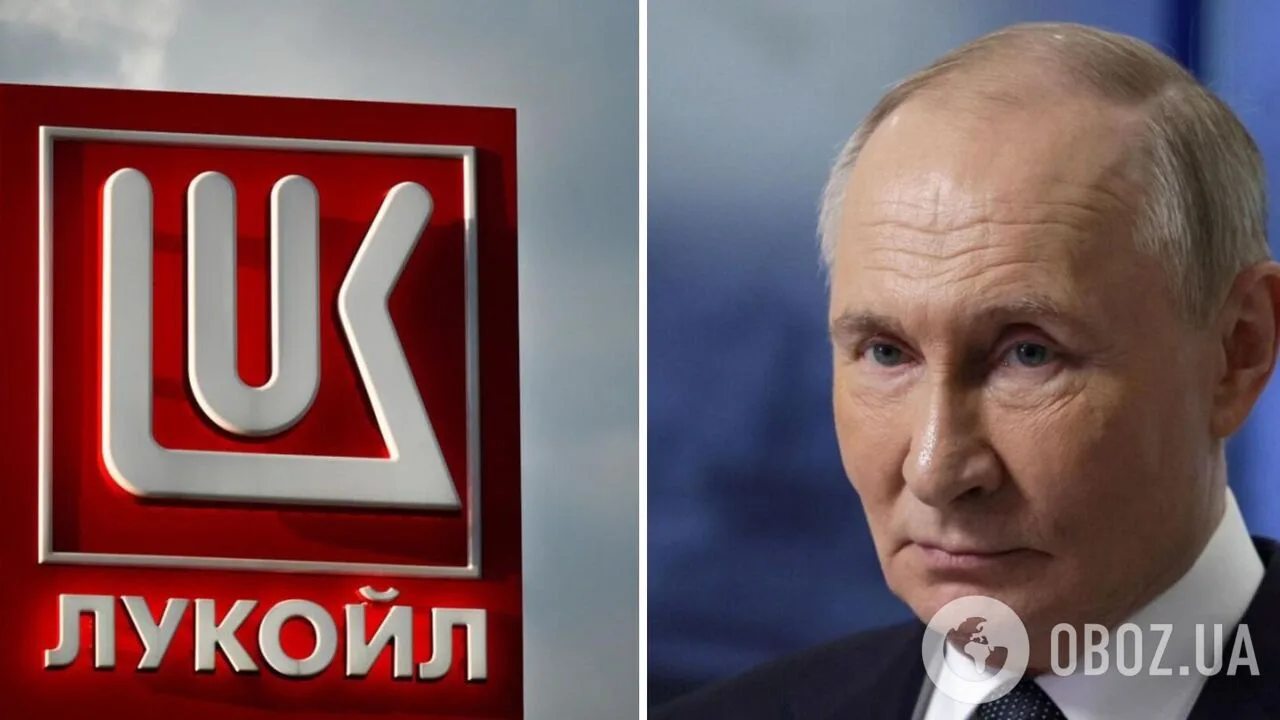
What is reported. Talks between President Donald Trump's administration and Russia on ending the war in Ukraine "have widened" to include a multi-billion-dollar oil deal, Censor.NET and Shargh say. Three of the four reports name The New York Times as their source. Obozrevatel credits "media".
Who benefits depends on the outlet.
| Outlet | Who is said to gain or take part | Hedged? |
|---|---|---|
| Censor.NET | Middle Eastern businessmen with ties to the two lead US negotiators, Steve Witkoff and one more | No |
| Shargh | Middle Eastern executives tied to Witkoff and Jared Kushner | Says the deal "could" benefit them, per the NYT |
| Obozrevatel | Investor Todd Boehly, Middle Eastern business groups, the US government | "May be involved" |
| Efimerida ton Syntakton | No one named. It describes "oilfields, refineries and fuel stations around the world" | — |
The conflict-of-interest angle. 2 of 4 reports put the negotiators' business ties up front. Obozrevatel names other people and leaves the negotiators' ties out.
One account, not four. All four reports trace to a single newspaper. The others repeat it. They do not confirm it.
What is not settled - Whether any deal exists, or is only under discussion. No report carries a response from Washington, Moscow, Kyiv or the investors named. - Who the second negotiator is in Censor.NET's account. We hold only its opening lines, which break off after Witkoff's name. - The deal's value. "Multi-billion" is the only figure any report gives. - What it would mean for Ukraine. No report asks.
What this is about. A report that a Russian oil company's foreign business has become part of the US-led talks to end Russia's war in Ukraine.
How it got here. Russia annexed Crimea from Ukraine in 2014. In February 2022 it launched a full-scale invasion. The United States, the EU and their allies answered with rounds of sanctions aimed at Russia's banks, its state and its energy earnings, which fund the Russian budget. In October 2025 the US Treasury sanctioned Lukoil and Rosneft, Russia's two largest oil companies. Lukoil is privately owned. It holds oilfields, refineries and fuel stations outside Russia, and after the sanctions it said it would sell its foreign assets. A sanctioned company cannot sell those assets to anyone without US permission. That puts Washington in control of who can buy them.
After returning to office in January 2025, Trump made ending the war a stated goal and opened direct talks with Moscow. His special envoy, Steve Witkoff, a property developer, has led them. Jared Kushner, Trump's son-in-law and a former White House adviser, has also taken part.
The actors. The US government sets the sanctions and can license a sale. Russia wants sanctions relief. Lukoil wants a buyer. Ukraine is the country being invaded, and it is not a party to this part of the reporting. Todd Boehly is an American investor. The Middle Eastern business groups are not named in any report we hold.
What is at stake. If sanctions relief for Russian assets becomes something to trade in the peace talks, the terms of a settlement could come to depend on who profits commercially. It would also change what sanctions are for.
Where it stands. The account comes from a single newspaper's reporting. No government or company has confirmed or denied it in any report we hold.
What is being argued about
- Whether talks to end the war in Ukraine now include a deal over Lukoil's foreign assets
- Who would profit: businessmen tied to Witkoff and Kushner, or Todd Boehly and the US government
- All four reports rest on a single newspaper's account
- No response from Washington, Moscow, Kyiv or the people named
| Outlet | Who is said to gain or take part | Hedged? |
|---|---|---|
| Middle Eastern businessmen tied to the two lead US negotiators, Steve Witkoff and one more (the text we hold breaks off) | No: the deal is called "beneficial" to them | Censor.NET |
| Middle Eastern executives tied to Steve Witkoff and Jared Kushner | "Could" benefit them, according to The New York Times | Shargh |
| US investor Todd Boehly, Middle Eastern business groups and the US government | Yes: they "may be involved" | Obozrevatel |
| No one named. The deal covers oilfields, refineries and fuel stations worldwide | No source given in that sentence | Efimerida ton Syntakton |
 Під час мирних перемовин США і РФ обговорювали багатомільярдну угоду щодо "Лукойлу", - NYT
Open this report in The AI Times →
Read it at Censor.NET →
What we have measured
Actor label Names the attacker as 'Russian occupation forces' ×1Actor label 'Occupiers' in the headline; 'Russian troops' in the body ×1Actor label The attacker is called 'the enemy', not named. ×1Actor label Calls the Russian president a dictator in the report's own voice. ×1
Outlet profile in The AI Times →
 Shargh
🇮🇷IR ·
newspaper · independent
 مذاکرات آمریکا و روسیه برای پایان دادن به جنگ اوکراین به توافقی بر سر داراییهای یک شرکت روسی کشیده شد
Open this report in The AI Times →
Read it at Shargh →
What we have measured
A count with its base both days given, and the data called preliminary ×1Actor named as a state the attack is Yemen's, not the Houthis' ×1A different actor does the asking Pakistan's army chief, not Beijing, is the one asking Tehran to use its influence, on the word of unnamed Pakistani government sources. ×1'aggression' in the narration The US campaign is called aggression in the report's own narration, which it credits to Al-Ahram's account of the call. ×1
Outlet profile in The AI Times →
O
Obozrevatel
 На переговорах США и России поднимался вопрос о нефтяном соглашении по "Лукойлу" — СМИ
Open this report in The AI Times →
Read it at Obozrevatel →
What we have measured
Actor label Names the attacker as 'occupiers' and gives 12 hurt, with no one cited as counting ×1Actor named no attacker named; the drone 'hit near' the building ×1Actor named No actor is named, and the headline puts the hit near the building rather than on it. ×1Actors left vague the neighbouring countries are not named ×1
Outlet profile in The AI Times →
 Efimerida ton Syntakton
🇬🇷GR ·
newspaper · independent
 NYT: Οι συνομιλίες ΗΠΑ και Ρωσίας για την Ουκρανία περιλαμβάνουν πλέον ένα… πετρελαϊκό deal
Open this report in The AI Times →
Read it at Efimerida ton Syntakton →
What we have measured
Adjective without figure Calls the war bloody but gives no count ×1Anyone hurt named the only report we hold that names one of the dead ×1Anyone hurt named the only report we hold that names a person who died ×1Asserted not attributed Calls the move 'unprecedented' in its own voice ×1
Outlet profile in The AI Times →
Під час мирних перемовин США і РФ обговорювали багатомільярдну угоду щодо "Лукойлу", - NYT
Open this report in The AI Times →
Read it at Censor.NET →
What we have measured
Actor label Names the attacker as 'Russian occupation forces' ×1Actor label 'Occupiers' in the headline; 'Russian troops' in the body ×1Actor label The attacker is called 'the enemy', not named. ×1Actor label Calls the Russian president a dictator in the report's own voice. ×1
Outlet profile in The AI Times →
Shargh
Shargh
🇮🇷IR ·
newspaper · independent
مذاکرات آمریکا و روسیه برای پایان دادن به جنگ اوکراین به توافقی بر سر داراییهای یک شرکت روسی کشیده شد
Open this report in The AI Times →
Read it at Shargh →
What we have measured
A count with its base both days given, and the data called preliminary ×1Actor named as a state the attack is Yemen's, not the Houthis' ×1A different actor does the asking Pakistan's army chief, not Beijing, is the one asking Tehran to use its influence, on the word of unnamed Pakistani government sources. ×1'aggression' in the narration The US campaign is called aggression in the report's own narration, which it credits to Al-Ahram's account of the call. ×1
Outlet profile in The AI Times →
O
Obozrevatel
На переговорах США и России поднимался вопрос о нефтяном соглашении по "Лукойлу" — СМИ
Open this report in The AI Times →
Read it at Obozrevatel →
What we have measured
Actor label Names the attacker as 'occupiers' and gives 12 hurt, with no one cited as counting ×1Actor named no attacker named; the drone 'hit near' the building ×1Actor named No actor is named, and the headline puts the hit near the building rather than on it. ×1Actors left vague the neighbouring countries are not named ×1
Outlet profile in The AI Times →
Efimerida ton Syntakton
Efimerida ton Syntakton
🇬🇷GR ·
newspaper · independent
NYT: Οι συνομιλίες ΗΠΑ και Ρωσίας για την Ουκρανία περιλαμβάνουν πλέον ένα… πετρελαϊκό deal
Open this report in The AI Times →
Read it at Efimerida ton Syntakton →
What we have measured
Adjective without figure Calls the war bloody but gives no count ×1Anyone hurt named the only report we hold that names one of the dead ×1Anyone hurt named the only report we hold that names a person who died ×1Asserted not attributed Calls the move 'unprecedented' in its own voice ×1
Outlet profile in The AI Times →
Four reports, one source
All four reports rest on a single US newspaper's reporting, so they are one account repeated, not four. None carries a response from Washington, Moscow or the investors named. None asks what the deal means for Ukraine, the country whose war is being negotiated.
The conflict-of-interest angle
Two reports lead with the US negotiators' business ties. One names other participants and hedges them with 'may'. One describes only the oilfields and refineries.
Під час мирних перемовин США і РФ обговорювали багатомільярдну угоду щодо "Лукойлу", - NYT
Open this report in The AI Times →
Read it at Censor.NET →
What we have measured
Actor label Names the attacker as 'Russian occupation forces' ×1Actor label 'Occupiers' in the headline; 'Russian troops' in the body ×1Actor label The attacker is called 'the enemy', not named. ×1Actor label Calls the Russian president a dictator in the report's own voice. ×1
Outlet profile in The AI Times →
O
Obozrevatel
На переговорах США и России поднимался вопрос о нефтяном соглашении по "Лукойлу" — СМИ
Open this report in The AI Times →
Read it at Obozrevatel →
What we have measured
Actor label Names the attacker as 'occupiers' and gives 12 hurt, with no one cited as counting ×1Actor named no attacker named; the drone 'hit near' the building ×1Actor named No actor is named, and the headline puts the hit near the building rather than on it. ×1Actors left vague the neighbouring countries are not named ×1
Outlet profile in The AI Times →
Shargh
Shargh
🇮🇷IR ·
newspaper · independent
مذاکرات آمریکا و روسیه برای پایان دادن به جنگ اوکراین به توافقی بر سر داراییهای یک شرکت روسی کشیده شد
Open this report in The AI Times →
Read it at Shargh →
What we have measured
A count with its base both days given, and the data called preliminary ×1Actor named as a state the attack is Yemen's, not the Houthis' ×1A different actor does the asking Pakistan's army chief, not Beijing, is the one asking Tehran to use its influence, on the word of unnamed Pakistani government sources. ×1'aggression' in the narration The US campaign is called aggression in the report's own narration, which it credits to Al-Ahram's account of the call. ×1
Outlet profile in The AI Times →
Efimerida ton Syntakton
Efimerida ton Syntakton
🇬🇷GR ·
newspaper · independent
NYT: Οι συνομιλίες ΗΠΑ και Ρωσίας για την Ουκρανία περιλαμβάνουν πλέον ένα… πετρελαϊκό deal
Open this report in The AI Times →
Read it at Efimerida ton Syntakton →
What we have measured
Adjective without figure Calls the war bloody but gives no count ×1Anyone hurt named the only report we hold that names one of the dead ×1Anyone hurt named the only report we hold that names a person who died ×1Asserted not attributed Calls the move 'unprecedented' in its own voice ×1
Outlet profile in The AI Times →
Claims and verdicts
No claims registered.
Who wrote it
Coverage, outlet by outlet
Під час мирних перемовин США і РФ обговорювали багатомільярдну угоду щодо "Лукойлу", - NYT
Open this report in The AI Times →
Read it at Censor.NET →
What we have measured
Actor label Names the attacker as 'Russian occupation forces' ×1Actor label 'Occupiers' in the headline; 'Russian troops' in the body ×1Actor label The attacker is called 'the enemy', not named. ×1Actor label Calls the Russian president a dictator in the report's own voice. ×1
Outlet profile in The AI Times →
—
На переговорах США и России поднимался вопрос о нефтяном соглашении по "Лукойлу" — СМИ
Open this report in The AI Times →
Read it at Obozrevatel →
What we have measured
Actor label Names the attacker as 'occupiers' and gives 12 hurt, with no one cited as counting ×1Actor named no attacker named; the drone 'hit near' the building ×1Actor named No actor is named, and the headline puts the hit near the building rather than on it. ×1Actors left vague the neighbouring countries are not named ×1
Outlet profile in The AI Times →
—
Shargh
Shargh
🇮🇷IR ·
newspaper · independent
مذاکرات آمریکا و روسیه برای پایان دادن به جنگ اوکراین به توافقی بر سر داراییهای یک شرکت روسی کشیده شد
Open this report in The AI Times →
Read it at Shargh →
What we have measured
A count with its base both days given, and the data called preliminary ×1Actor named as a state the attack is Yemen's, not the Houthis' ×1A different actor does the asking Pakistan's army chief, not Beijing, is the one asking Tehran to use its influence, on the word of unnamed Pakistani government sources. ×1'aggression' in the narration The US campaign is called aggression in the report's own narration, which it credits to Al-Ahram's account of the call. ×1
Outlet profile in The AI Times →
— independent
Efimerida ton Syntakton
Efimerida ton Syntakton
🇬🇷GR ·
newspaper · independent
NYT: Οι συνομιλίες ΗΠΑ και Ρωσίας για την Ουκρανία περιλαμβάνουν πλέον ένα… πετρελαϊκό deal
Open this report in The AI Times →
Read it at Efimerida ton Syntakton →
What we have measured
Adjective without figure Calls the war bloody but gives no count ×1Anyone hurt named the only report we hold that names one of the dead ×1Anyone hurt named the only report we hold that names a person who died ×1Asserted not attributed Calls the move 'unprecedented' in its own voice ×1
Outlet profile in The AI Times →
— independent International Criminal Court
INT ·
official record · intergovernmental body
What we have measured
Outlet profile in The AI Times →
 UN News
INT ·
official record · intergovernmental body
What we have measured
Actors named Names both vetoing states and the sponsor, and says what the draft would have created ×1Asserted versus attributed share of women and children among the dead given with no source ×1Asserted vs attributed Israel named as acting, stated in the report's own voice ×1Asymmetric verb The Iranian government's crimes are 'confirmed'. The US finding is only 'reasonable grounds'. The two findings are weighted differently in one sentence. ×1
Outlet profile in The AI Times →
 International Court of Justice
INT ·
official record · intergovernmental body
What we have measured
Outlet profile in The AI Times →