Fuel rule rollback: the administration says cheaper cars, CNBC says more fuel burned too
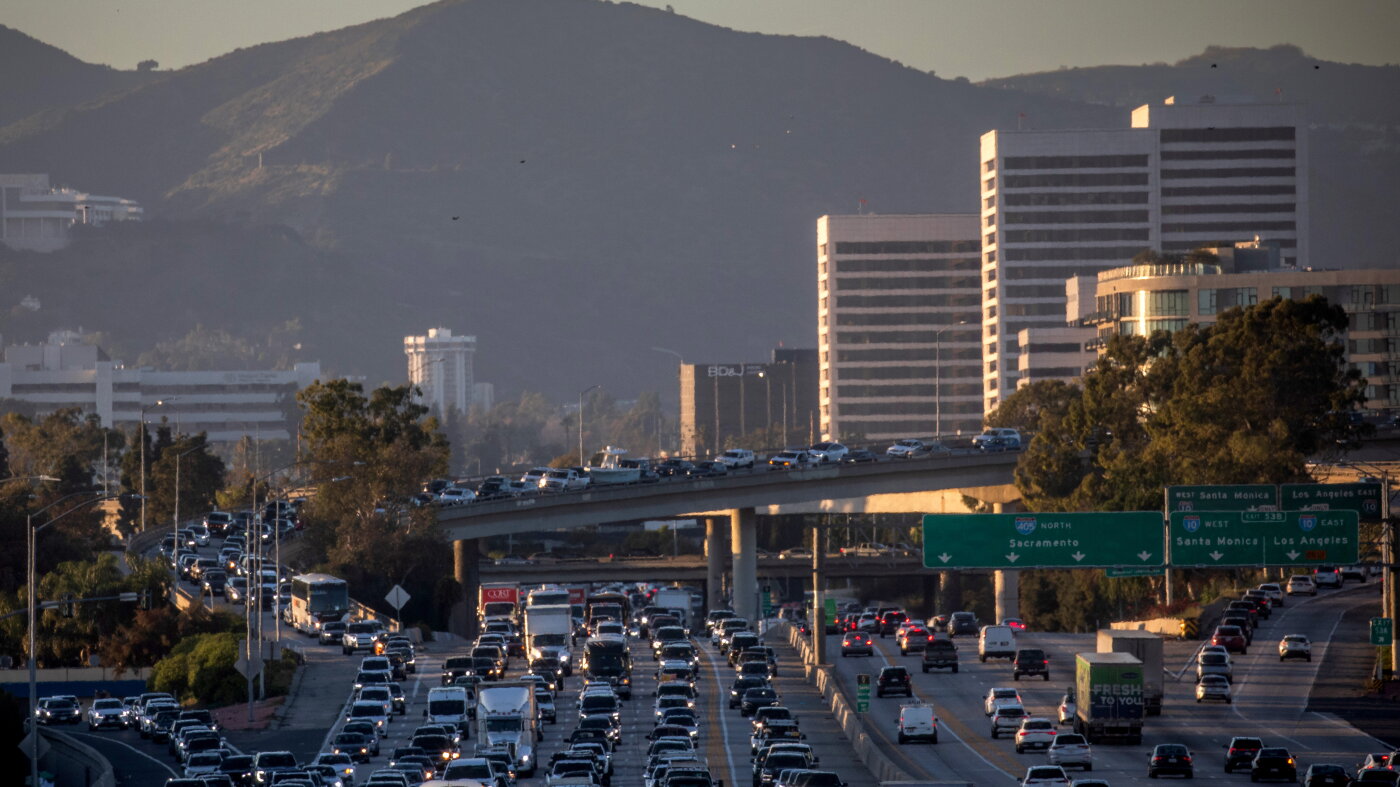
The Trump administration finalized weaker fuel economy standards for new cars and light trucks on Monday. NPR, CNBC and The Hill agree on that. They differ on what the rule does to buyers, fuel use and emissions. None of them names who made the forecasts.

What happened. The Trump administration finalized weaker fuel economy standards for new cars and light trucks on Monday. All four reports we hold say so: one from NPR, one from CNBC and two from The Hill.
How each describes it.
| Outlet | Headline verb | Effect it carries | Who is named |
|---|---|---|---|
| NPR | "weakens" | Cheaper cars, the administration says; "not so simple", critics say | The administration; critics unnamed |
| CNBC | "lower" | Cheaper new vehicles, but more fuel and CO2 | Nobody; both are "expected" |
| The Hill | "rolls back" | Biden target was 50.4 mpg by 2031 | The administration |
| The Hill (live blog) | "rolls back" | Biden "went far beyond the requirements mandated by Congress" | The administration only |
The price argument. NPR attributes the affordability claim: the administration "says" it will make cars more affordable. CNBC states it as a forecast with no source: costs are "expected to" fall.
The fuel argument. CNBC says fuel use and carbon dioxide emissions will rise. NPR says critics warn it "could be costly for the environment". Neither names a critic.
Not settled. - The new mileage target. The Hill's text we hold stops before the number. - How much cheaper a car gets. No report gives a dollar figure. - How much more fuel is burned. No report gives a quantity. - Who the critics are. Zero are named in the reports we hold.
What this is about. The federal government sets how far, on average, each carmaker's new cars and light trucks must travel on a gallon of fuel. This week the Trump administration lowered that bar.
How it got here. - Congress created the fuel economy rules in the Energy Policy and Conservation Act of 1975, after the 1973 Arab oil embargo left Americans lining up for gasoline. The aim was to cut oil use. - The National Highway Traffic Safety Administration (NHTSA), part of the Transportation Department, sets these "CAFE" standards. The Environmental Protection Agency (EPA) separately regulates tailpipe greenhouse gases. The two rules overlap, because burning less fuel means emitting less carbon dioxide. - The standards have swung with each administration. The Obama administration tightened them. Trump's first administration loosened them in 2020. The Biden administration tightened them again. The Hill says Biden's rule would have taken the fleet to an average of 50.4 miles per gallon by 2031. - Trump returned to office in January 2025 pledging to undo Biden-era vehicle rules. Monday's final rule is the result for fuel economy.
Who is involved, and why. - The administration argues the Biden rule overreached. It says Biden "went far beyond the requirements mandated by Congress" to push electric vehicles, according to The Hill. - Carmakers must build fleets that meet whatever average is set, or pay penalties. - Buyers pay for the technology in the price of the car, and for the fuel afterwards. - Critics, unnamed in the reports we hold, say the change could be costly for the environment.
What is at stake. A lower standard can make new cars cheaper to build. It also lets the fleet burn more fuel and emit more carbon dioxide. Which effect is larger for a household is the argument.
Where it stands. The rule is final. The reports we hold do not say whether it will be challenged in court.
What is being argued about
- Whether weaker standards make new cars cheaper
- How much more fuel and carbon dioxide the fleet will produce
- Whether the Biden rule exceeded what Congress required
- What the new mileage target is
| Outlet | What it says the rule does | Effect it reports | Attributed to |
|---|---|---|---|
| NPR | "weakens" the standards | More affordable cars; "could be costly for the environment" | The administration; unnamed critics |
| CNBC | "new lower" standards, "in boost for gas-powered vehicles" | Cheaper new vehicles; more fuel and CO2 | No one; both "expected" |
| The Hill | "rolls back" the standards | Biden target of 50.4 mpg by 2031 lowered; new figure cut off | The administration |
| The Hill (live blog) | "rolls back" the standards | Biden rule "went far beyond" what Congress required | The administration |
 The Trump administration weakens fuel efficiency standards for new cars
Open this report in The AI Times →
Read it at NPR →
What we have measured
Asserted, not attributed that the system wrongly flagged citizens is stated flat, with no source named for it ×1Asserted versus attributed public disbelief stated as established, with nothing cited that measured it ×1Asserted versus attributed Past threats of force are stated flat, as background ×1Asymmetric labelling one side tagged by its patron, the other not ×1
Outlet profile in The AI Times →
 CNBC
CNBC
🇺🇸US ·
TV/radio · independent
 U.S. finalizes new lower fuel economy standards in boost for gas-powered vehicles
Open this report in The AI Times →
Read it at CNBC →
What we have measured
Accepted term 'refund' used without quotation marks ×1Asserted versus attributed gives the motive as fact, not as Trump's stated reason ×1Attackers named as proxies the attackers are named only through their backer, Iran ×1Attacks named but not counted The report names the attackers. 'Escalating' comes with no count of attacks or damage. ×1
Outlet profile in The AI Times →
 The Hill
🇺🇸US ·
digital · independent
 Trump rolls back car fuel efficiency standards
Open this report in The AI Times →
Read it at The Hill →
What we have measured
Accusation attributed the word lying is placed in a named politician's mouth, not the outlet's ×1Actor named No actor named for who kept reporters out ×1Actor named No actor named for who let reporters back in ×1Actor named Names the state as the one that carried out the execution. ×1
Outlet profile in The AI Times →
The Hill
The Hill
🇺🇸US ·
digital · independent
Live updates: Trump officially rolls back fuel economy standards; Senate sets up college sports bill vote
Open this report in The AI Times →
Read it at The Hill →
What we have measured
Accusation attributed the word lying is placed in a named politician's mouth, not the outlet's ×1Actor named No actor named for who kept reporters out ×1Actor named No actor named for who let reporters back in ×1Actor named Names the state as the one that carried out the execution. ×1
Outlet profile in The AI Times →
- 2026-09-2813:09 published The Hill Live blog: the administration releases the rollback and says Biden went beyond CongressNone
- 2026-09-2813:26 published The Hill Gives the Biden-era target of 50.4 mpg by 2031 50.4 mpgnew target cut off in the text we hold
- 2026-09-2814:47 published CNBC Cheaper vehicles expected, but more fuel and CO2None
- 2026-09-2816:07 published NPR Administration says cars more affordable; critics say not so simpleNone
The Hill
The Hill
🇺🇸US ·
digital · independent
Live updates: Trump officially rolls back fuel economy standards; Senate sets up college sports bill vote
Open this report in The AI Times →
Read it at The Hill →
What we have measured
Accusation attributed the word lying is placed in a named politician's mouth, not the outlet's ×1Actor named No actor named for who kept reporters out ×1Actor named No actor named for who let reporters back in ×1Actor named Names the state as the one that carried out the execution. ×1
Outlet profile in The AI Times →
The Hill
The Hill
🇺🇸US ·
digital · independent
Trump rolls back car fuel efficiency standards
Open this report in The AI Times →
Read it at The Hill →
What we have measured
Accusation attributed the word lying is placed in a named politician's mouth, not the outlet's ×1Actor named No actor named for who kept reporters out ×1Actor named No actor named for who let reporters back in ×1Actor named Names the state as the one that carried out the execution. ×1
Outlet profile in The AI Times →
CNBC
CNBC
🇺🇸US ·
TV/radio · independent
U.S. finalizes new lower fuel economy standards in boost for gas-powered vehicles
Open this report in The AI Times →
Read it at CNBC →
What we have measured
Accepted term 'refund' used without quotation marks ×1Asserted versus attributed gives the motive as fact, not as Trump's stated reason ×1Attackers named as proxies the attackers are named only through their backer, Iran ×1Attacks named but not counted The report names the attackers. 'Escalating' comes with no count of attacks or damage. ×1
Outlet profile in The AI Times →
N
NPR
The Trump administration weakens fuel efficiency standards for new cars
Open this report in The AI Times →
Read it at NPR →
What we have measured
Asserted, not attributed that the system wrongly flagged citizens is stated flat, with no source named for it ×1Asserted versus attributed public disbelief stated as established, with nothing cited that measured it ×1Asserted versus attributed Past threats of force are stated flat, as background ×1Asymmetric labelling one side tagged by its patron, the other not ×1
Outlet profile in The AI Times →
Critics counted, never named
Two reports set a lower price against more fuel burned or environmental cost. Neither names who predicts either effect. One report gives the old mileage target; none of the text we hold gives the new one.
The Trump administration weakens fuel efficiency standards for new cars
Open this report in The AI Times →
Read it at NPR →
What we have measured
Asserted, not attributed that the system wrongly flagged citizens is stated flat, with no source named for it ×1Asserted versus attributed public disbelief stated as established, with nothing cited that measured it ×1Asserted versus attributed Past threats of force are stated flat, as background ×1Asymmetric labelling one side tagged by its patron, the other not ×1
Outlet profile in The AI Times →
CNBC
CNBC
🇺🇸US ·
TV/radio · independent
U.S. finalizes new lower fuel economy standards in boost for gas-powered vehicles
Open this report in The AI Times →
Read it at CNBC →
What we have measured
Accepted term 'refund' used without quotation marks ×1Asserted versus attributed gives the motive as fact, not as Trump's stated reason ×1Attackers named as proxies the attackers are named only through their backer, Iran ×1Attacks named but not counted The report names the attackers. 'Escalating' comes with no count of attacks or damage. ×1
Outlet profile in The AI Times →
The Hill
The Hill
🇺🇸US ·
digital · independent
Trump rolls back car fuel efficiency standards
Open this report in The AI Times →
Read it at The Hill →
What we have measured
Accusation attributed the word lying is placed in a named politician's mouth, not the outlet's ×1Actor named No actor named for who kept reporters out ×1Actor named No actor named for who let reporters back in ×1Actor named Names the state as the one that carried out the execution. ×1
Outlet profile in The AI Times →
The Hill
The Hill
🇺🇸US ·
digital · independent
Live updates: Trump officially rolls back fuel economy standards; Senate sets up college sports bill vote
Open this report in The AI Times →
Read it at The Hill →
What we have measured
Accusation attributed the word lying is placed in a named politician's mouth, not the outlet's ×1Actor named No actor named for who kept reporters out ×1Actor named No actor named for who let reporters back in ×1Actor named Names the state as the one that carried out the execution. ×1
Outlet profile in The AI Times →
Claims and verdicts
The Trump administration weakens fuel efficiency standards for new cars
Open this report in The AI Times →
Read it at NPR →
What we have measured
Asserted, not attributed that the system wrongly flagged citizens is stated flat, with no source named for it ×1Asserted versus attributed public disbelief stated as established, with nothing cited that measured it ×1Asserted versus attributed Past threats of force are stated flat, as background ×1Asymmetric labelling one side tagged by its patron, the other not ×1
Outlet profile in The AI Times →
CNBC
CNBC
🇺🇸US ·
TV/radio · independent
U.S. finalizes new lower fuel economy standards in boost for gas-powered vehicles
Open this report in The AI Times →
Read it at CNBC →
What we have measured
Accepted term 'refund' used without quotation marks ×1Asserted versus attributed gives the motive as fact, not as Trump's stated reason ×1Attackers named as proxies the attackers are named only through their backer, Iran ×1Attacks named but not counted The report names the attackers. 'Escalating' comes with no count of attacks or damage. ×1
Outlet profile in The AI Times →
The Hill
The Hill
🇺🇸US ·
digital · independent
Trump rolls back car fuel efficiency standards
Open this report in The AI Times →
Read it at The Hill →
What we have measured
Accusation attributed the word lying is placed in a named politician's mouth, not the outlet's ×1Actor named No actor named for who kept reporters out ×1Actor named No actor named for who let reporters back in ×1Actor named Names the state as the one that carried out the execution. ×1
Outlet profile in The AI Times →
The Hill
The Hill
🇺🇸US ·
digital · independent
Live updates: Trump officially rolls back fuel economy standards; Senate sets up college sports bill vote
Open this report in The AI Times →
Read it at The Hill →
What we have measured
Accusation attributed the word lying is placed in a named politician's mouth, not the outlet's ×1Actor named No actor named for who kept reporters out ×1Actor named No actor named for who let reporters back in ×1Actor named Names the state as the one that carried out the execution. ×1
Outlet profile in The AI Times →
The Trump administration weakens fuel efficiency standards for new cars
Open this report in The AI Times →
Read it at NPR →
What we have measured
Asserted, not attributed that the system wrongly flagged citizens is stated flat, with no source named for it ×1Asserted versus attributed public disbelief stated as established, with nothing cited that measured it ×1Asserted versus attributed Past threats of force are stated flat, as background ×1Asymmetric labelling one side tagged by its patron, the other not ×1
Outlet profile in The AI Times →
CNBC
CNBC
🇺🇸US ·
TV/radio · independent
U.S. finalizes new lower fuel economy standards in boost for gas-powered vehicles
Open this report in The AI Times →
Read it at CNBC →
What we have measured
Accepted term 'refund' used without quotation marks ×1Asserted versus attributed gives the motive as fact, not as Trump's stated reason ×1Attackers named as proxies the attackers are named only through their backer, Iran ×1Attacks named but not counted The report names the attackers. 'Escalating' comes with no count of attacks or damage. ×1
Outlet profile in The AI Times →
The Hill
The Hill
🇺🇸US ·
digital · independent
Trump rolls back car fuel efficiency standards
Open this report in The AI Times →
Read it at The Hill →
What we have measured
Accusation attributed the word lying is placed in a named politician's mouth, not the outlet's ×1Actor named No actor named for who kept reporters out ×1Actor named No actor named for who let reporters back in ×1Actor named Names the state as the one that carried out the execution. ×1
Outlet profile in The AI Times →
Who wrote it
The Hill
Coverage, outlet by outlet
The Trump administration weakens fuel efficiency standards for new cars
Open this report in The AI Times →
Read it at NPR →
What we have measured
Asserted, not attributed that the system wrongly flagged citizens is stated flat, with no source named for it ×1Asserted versus attributed public disbelief stated as established, with nothing cited that measured it ×1Asserted versus attributed Past threats of force are stated flat, as background ×1Asymmetric labelling one side tagged by its patron, the other not ×1
Outlet profile in The AI Times →
— independent
CNBC
CNBC
🇺🇸US ·
TV/radio · independent
U.S. finalizes new lower fuel economy standards in boost for gas-powered vehicles
Open this report in The AI Times →
Read it at CNBC →
What we have measured
Accepted term 'refund' used without quotation marks ×1Asserted versus attributed gives the motive as fact, not as Trump's stated reason ×1Attackers named as proxies the attackers are named only through their backer, Iran ×1Attacks named but not counted The report names the attackers. 'Escalating' comes with no count of attacks or damage. ×1
Outlet profile in The AI Times →
— independent
The Hill
The Hill
🇺🇸US ·
digital · independent
Trump rolls back car fuel efficiency standards
Open this report in The AI Times →
Read it at The Hill →
What we have measured
Accusation attributed the word lying is placed in a named politician's mouth, not the outlet's ×1Actor named No actor named for who kept reporters out ×1Actor named No actor named for who let reporters back in ×1Actor named Names the state as the one that carried out the execution. ×1
Outlet profile in The AI Times →
— independent
The Hill
The Hill
🇺🇸US ·
digital · independent
Live updates: Trump officially rolls back fuel economy standards; Senate sets up college sports bill vote
Open this report in The AI Times →
Read it at The Hill →
What we have measured
Accusation attributed the word lying is placed in a named politician's mouth, not the outlet's ×1Actor named No actor named for who kept reporters out ×1Actor named No actor named for who let reporters back in ×1Actor named Names the state as the one that carried out the execution. ×1
Outlet profile in The AI Times →
— independent Mother Jones
🇺🇸US ·
magazine · independent
What we have measured
Asserted, not attributed 'ultra-gerrymandered' stated as fact ×1Asserted versus attributed 'Cover-up' is asserted in the report's own voice, not attributed ×1Asserted versus attributed calls it a cover-up in its own voice ×1Assertion vs attribution describes the operation as a 'violent occupation' in its own voice, with no source for the phrase ×1
Outlet profile in The AI Times →
 Reuters
🇺🇸US ·
wire · independent
What we have measured
Actor named The attacker is the subject of an active verb for both the deaths and the damage ×1Actor named No actor named for who cancelled the flights ×1Agreement stated flat, source in a tail attribution moved after the dash ×1Announcement written as settled A social-media post becomes a future indicative: the conversion will happen ×1
Outlet profile in The AI Times →
P
Politico
 Fox News
🇺🇸US ·
TV/radio · independent
What we have measured
Accused named Names one former fraternity member through his lawyer's denial. The woman is anonymous by her own choice. ×1Actor in headline The headline names Trump as the one acting. The body names only Anduril. ×1A number, with no people named The only report that gives a figure counts the journalists whose communications were swept up. It names none of them. ×1Asserted, not attributed stated flat: past court defeats are asserted with no case, judge or date named ×1
Outlet profile in The AI Times →
 Breitbart
🇺🇸US ·
digital · independent
What we have measured
Anyone hurt is counted, not named eight deaths given as a number only ×1Framing of motive The lede calls the denial a punishment and puts 'fake news' in quotation marks; the officials being sued are left unnamed ×1How the person shot is named a status, not a name: the only report that never uses either name calls him an illegal alien ×1How the place is described a party label attached to the city in the same clause as the casualty count ×1
Outlet profile in The AI Times →
 MSNBC
MSNBC
🇺🇸US ·
TV/radio · independent
What we have measured
Accuser not named The lede does not name the senator making the accusation ×1Actor named for the ban The White House is the subject of both verbs: it blocked journalists, then let CNN back in. ×1A first stated flat a never-before claim carried without a source attached ×1Asserted, not attributed absence of fraud evidence stated as fact ×1
Outlet profile in The AI Times →
 The New York Times
🇺🇸US ·
newspaper · independent
What we have measured
Active and passive voice the ship is 'targeted' with no actor, one sentence before a named actor is given for the Saudi attack ×1Active vs passive voice Pike is named as the killer in the active voice; the botched execution has no actor named ×1Actor label Names the shooter by its backer, not by its own name. ×1Actor named Names the official and what the process did to Pike. ×1
Outlet profile in The AI Times →
 National Review
🇺🇸US ·
magazine · independent
What we have measured
Asserted not attributed Doubt about the allegation is stated flat, in the outlet's own voice ×1Asserted not attributed An argument about deterrence is stated as fact ×1Asserted versus attributed calls it an abuse of power in its own voice ×1Asserted versus attributed 'Abuse of presidential power' is stated flat ×1
Outlet profile in The AI Times →
 The Wall Street Journal
🇺🇸US ·
newspaper · independent
What we have measured
Outlet profile in The AI Times →
 Associated Press
🇺🇸US ·
wire · independent
What we have measured
Dating and attribution Dates the signing to Aug. 6, 2026 and writes ord ×1Dating and attribution Carries a dateline correction, repeated three ti ×1How hard the claim is stated Marks "birth tourism" as the administration's ow ×1How hard the claim is stated high ×1
Outlet profile in The AI Times →