JNS calls it a "U.S. blockade" of Hormuz; RIA Novosti says Iran has named its condition to open it
Two reports, eleven minutes apart, put the closure of the Strait of Hormuz in two different capitals. Neither quotes an official, neither gives a figure, and neither carries the other's account.
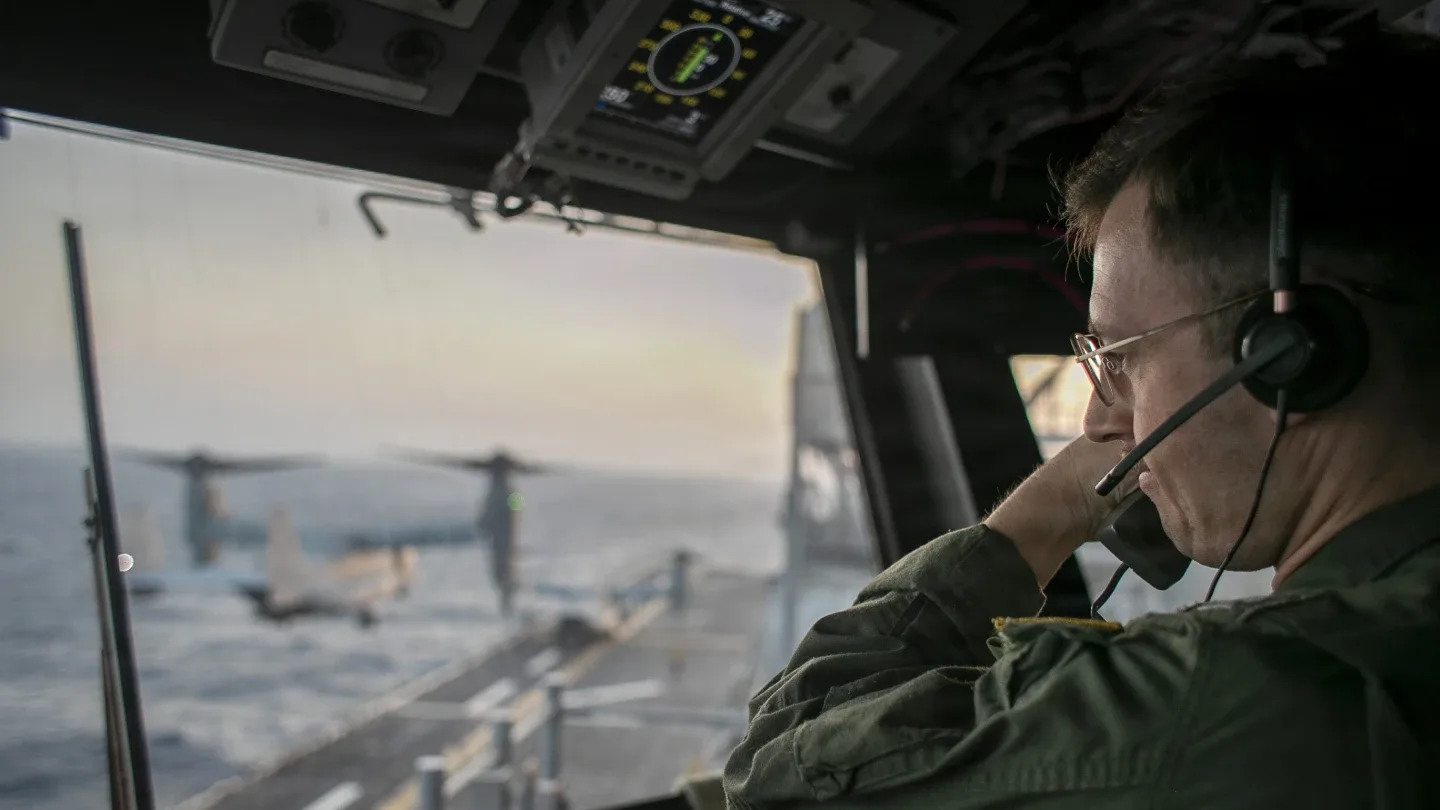
Two reports, two parties holding the strait shut. JNS, in a single sentence sourced to The Wall Street Journal, writes that "Tehran has turned to overland routes to move goods after the U.S. blockade of the Strait of Hormuz, but border delays and rising costs are hampering the effort." RIA Novosti, publishing eleven minutes later, headlines that Iranian authorities have named the condition for opening the strait. Neither carries the other's account.
Where they differ
| JNS | RIA Novosti | |
|---|---|---|
| Named as closing the strait | the United States | nobody |
| Holds the terms of reopening | not addressed | Iranian authorities |
| Text beyond the headline | one sentence | none we hold |
| Its own reporting | attributed to The Wall Street Journal | no source named |
Nobody is quoted. Neither report quotes an official from either government. Neither names a US office as having ordered a blockade. The condition RIA Novosti says Iran has named is not stated in any text we hold.
What is not settled. Who closed the strait, when, and by what means. What Iran's condition is. How much trade has moved overland, at what cost and across which borders: JNS reports "border delays and rising costs" and gives no figure, no route and no commodity. Neither report carries a tonnage, a price, a ship count or a date for the closure, and we hold nothing that states both accounts side by side.
What this is about. The Strait of Hormuz, the sea passage between southern Iran and Oman, is shut — and two reports published the same evening disagree about who is holding it shut.
How it got here. The strait is the only sea route in or out of the Persian Gulf, and a large share of the world's seaborne oil crosses it. Iran's southern coast forms its northern shore, which is why the waterway has sat at the centre of every confrontation between Tehran and Washington. Iran's oil trade has been under US sanctions since President Donald Trump withdrew from the 2015 nuclear agreement in May 2018 and reimposed them; Iranian officials have said for decades that if Iran's own exports were stopped, no one else's would pass either. Tanker seizures and naval escorting in the Gulf have recurred since 2019. Nothing we hold says how or when the current closure began.
Who is in it. Iran governs the strait's northern shore and depends on it for both its oil exports and its imports. The United States keeps a naval presence in the Gulf, and JNS names a US blockade as the cause. The Wall Street Journal is the origin of the only account with any body text — JNS attributes its whole sentence to it. RIA Novosti is a Russian state news agency.
What is at stake. If Washington is holding the strait shut, the cost of rerouting falls on Iranian importers and households, and lifting it is a US decision. If Tehran is, the cost falls on shippers and oil buyers everywhere, and the terms are Iran's. Overland freight is slower and dearer either way; JNS reports delays and rising costs without putting a number on them.
Where it stands. Two reports, minutes apart on 17 September 2026. No official quoted, no figure given, and the Iranian condition unstated.
The story so far
Earlier stories The AI Times filed on this thread.
What is being argued about
- who closed the Strait of Hormuz — Washington or Tehran
- Iran's switch to overland trade routes, and what it is costing
- the condition Iran is said to have set for reopening the strait
- the absence of any figure for the diverted trade
| Outlet | Named as holding the strait | What the report gives | Hedged? |
|---|---|---|---|
| JNS | the United States — "the U.S. blockade of the Strait of Hormuz" | one sentence: Tehran on overland routes, "border delays and rising costs" | no — stated as settled, with the account attributed to The Wall Street Journal |
| RIA Novosti | Iranian authorities, who have "named the condition for opening" it | a headline; no body text we hold | no — stated as settled, with no official quoted and no source named |
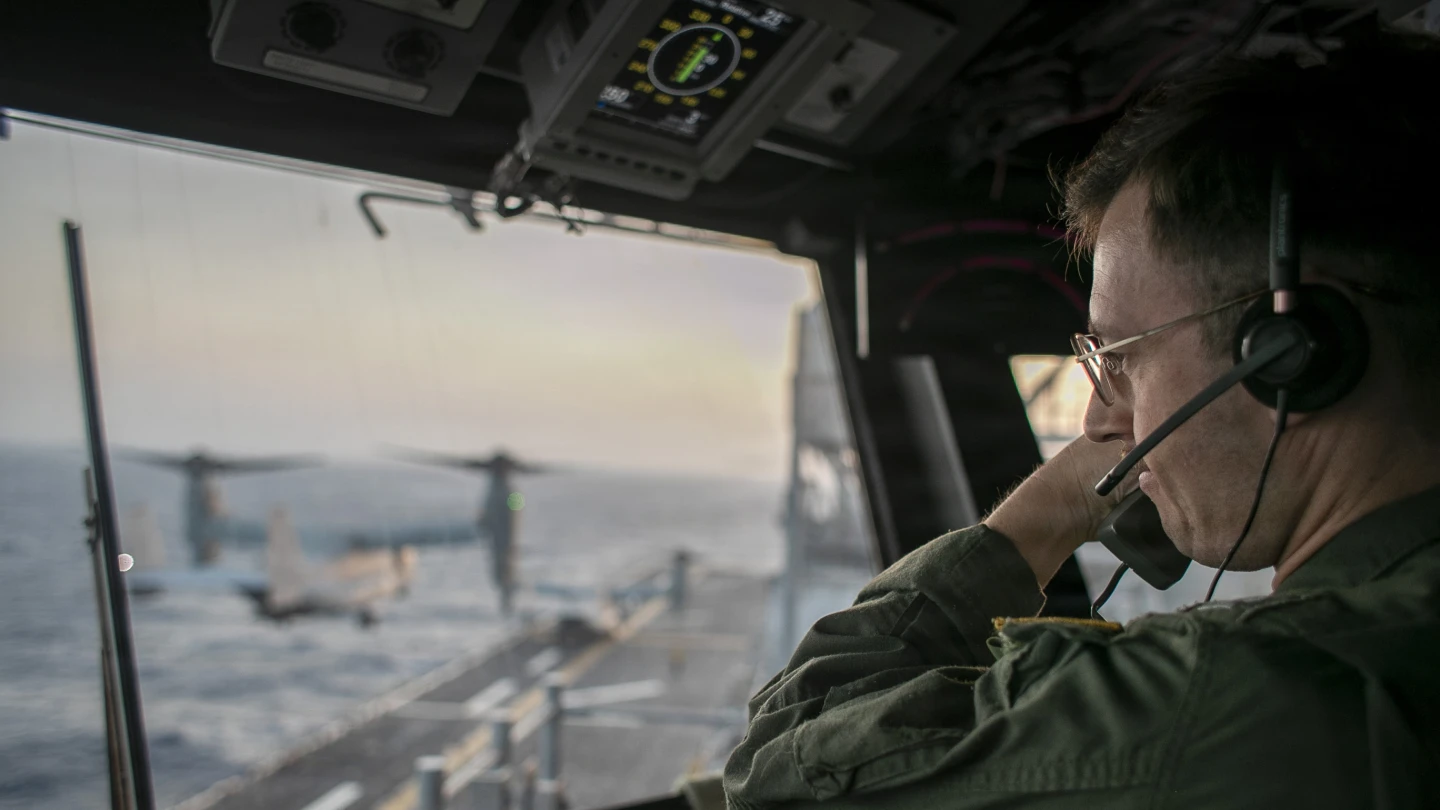 Iran struggles to reroute trade as U.S. blockade disrupts supply lines
Open this report in The AI Times →
Read it at JNS →
What we have measured
Allegation described neutrally The headline describes the suit as a request for records on editorial standards, with Israel coverage one part of it. ×1Army claim attributed The army's legal justification is attributed to the army. ×1Army's term in the headline the headline adopts 'terror assets' in its own voice, without attribution ×1Army term in the headline The headline uses the army's own phrase without quotation marks. The body attributes only the ceasefire line to the army. ×1
Outlet profile in The AI Times →
R
RIA Novosti
 Иранские власти назвали условие открытия Ормузского пролива
Open this report in The AI Times →
Read it at RIA Novosti →
What we have measured
Actor named no attacker named; the channels only 'said' there were failures ×1Actor named the outage is reported with no actor named ×1Actor named 'the West' is named as acting, attributed to the foreign ministry spokeswoman ×1Actor named headline names Ukraine's armed forces as the attacker ×1
Outlet profile in The AI Times →
Iran struggles to reroute trade as U.S. blockade disrupts supply lines
Open this report in The AI Times →
Read it at JNS →
What we have measured
Allegation described neutrally The headline describes the suit as a request for records on editorial standards, with Israel coverage one part of it. ×1Army claim attributed The army's legal justification is attributed to the army. ×1Army's term in the headline the headline adopts 'terror assets' in its own voice, without attribution ×1Army term in the headline The headline uses the army's own phrase without quotation marks. The body attributes only the ceasefire line to the army. ×1
Outlet profile in The AI Times →
R
RIA Novosti
Иранские власти назвали условие открытия Ормузского пролива
Open this report in The AI Times →
Read it at RIA Novosti →
What we have measured
Actor named no attacker named; the channels only 'said' there were failures ×1Actor named the outage is reported with no actor named ×1Actor named 'the West' is named as acting, attributed to the foreign ministry spokeswoman ×1Actor named headline names Ukraine's armed forces as the attacker ×1
Outlet profile in The AI Times →
- Thu 17 Sep 202618:26 publication time on the report JNS reports that Tehran has turned to overland routes after "the U.S. blockade of the Strait of Hormuz", and that border delays and rising costs are hampering the effort no figure giventhe whole sentence is attributed to The Wall Street Journal, and no US office is named
- Thu 17 Sep 202618:37 publication time on the report RIA Novosti headlines that Iranian authorities have named the condition for opening the strait no figure givenno body text we hold, so the condition is never stated, and nobody is named as having closed it
Iran struggles to reroute trade as U.S. blockade disrupts supply lines
Open this report in The AI Times →
Read it at JNS →
What we have measured
Allegation described neutrally The headline describes the suit as a request for records on editorial standards, with Israel coverage one part of it. ×1Army claim attributed The army's legal justification is attributed to the army. ×1Army's term in the headline the headline adopts 'terror assets' in its own voice, without attribution ×1Army term in the headline The headline uses the army's own phrase without quotation marks. The body attributes only the ceasefire line to the army. ×1
Outlet profile in The AI Times →
R
RIA Novosti
Иранские власти назвали условие открытия Ормузского пролива
Open this report in The AI Times →
Read it at RIA Novosti →
What we have measured
Actor named no attacker named; the channels only 'said' there were failures ×1Actor named the outage is reported with no actor named ×1Actor named 'the West' is named as acting, attributed to the foreign ministry spokeswoman ×1Actor named headline names Ukraine's armed forces as the attacker ×1
Outlet profile in The AI Times →
Two reports, two owners of the closure
One report makes the United States the party that closed the strait and Iran the party coping with it; the other makes Iran the party that can open it and says nothing about who shut it. Neither gives a tonnage, a price, a ship count or a named condition. We hold no report that states both accounts side by side.
Iran struggles to reroute trade as U.S. blockade disrupts supply lines
Open this report in The AI Times →
Read it at JNS →
What we have measured
Allegation described neutrally The headline describes the suit as a request for records on editorial standards, with Israel coverage one part of it. ×1Army claim attributed The army's legal justification is attributed to the army. ×1Army's term in the headline the headline adopts 'terror assets' in its own voice, without attribution ×1Army term in the headline The headline uses the army's own phrase without quotation marks. The body attributes only the ceasefire line to the army. ×1
Outlet profile in The AI Times →
R
RIA Novosti
Иранские власти назвали условие открытия Ормузского пролива
Open this report in The AI Times →
Read it at RIA Novosti →
What we have measured
Actor named no attacker named; the channels only 'said' there were failures ×1Actor named the outage is reported with no actor named ×1Actor named 'the West' is named as acting, attributed to the foreign ministry spokeswoman ×1Actor named headline names Ukraine's armed forces as the attacker ×1
Outlet profile in The AI Times →
Claims and verdicts
Iran struggles to reroute trade as U.S. blockade disrupts supply lines
Open this report in The AI Times →
Read it at JNS →
What we have measured
Allegation described neutrally The headline describes the suit as a request for records on editorial standards, with Israel coverage one part of it. ×1Army claim attributed The army's legal justification is attributed to the army. ×1Army's term in the headline the headline adopts 'terror assets' in its own voice, without attribution ×1Army term in the headline The headline uses the army's own phrase without quotation marks. The body attributes only the ceasefire line to the army. ×1
Outlet profile in The AI Times →
R
RIA Novosti
Иранские власти назвали условие открытия Ормузского пролива
Open this report in The AI Times →
Read it at RIA Novosti →
What we have measured
Actor named no attacker named; the channels only 'said' there were failures ×1Actor named the outage is reported with no actor named ×1Actor named 'the West' is named as acting, attributed to the foreign ministry spokeswoman ×1Actor named headline names Ukraine's armed forces as the attacker ×1
Outlet profile in The AI Times →
Iran struggles to reroute trade as U.S. blockade disrupts supply lines
Open this report in The AI Times →
Read it at JNS →
What we have measured
Allegation described neutrally The headline describes the suit as a request for records on editorial standards, with Israel coverage one part of it. ×1Army claim attributed The army's legal justification is attributed to the army. ×1Army's term in the headline the headline adopts 'terror assets' in its own voice, without attribution ×1Army term in the headline The headline uses the army's own phrase without quotation marks. The body attributes only the ceasefire line to the army. ×1
Outlet profile in The AI Times →
Who wrote it
Coverage, outlet by outlet
Иранские власти назвали условие открытия Ормузского пролива
Open this report in The AI Times →
Read it at RIA Novosti →
What we have measured
Actor named no attacker named; the channels only 'said' there were failures ×1Actor named the outage is reported with no actor named ×1Actor named 'the West' is named as acting, attributed to the foreign ministry spokeswoman ×1Actor named headline names Ukraine's armed forces as the attacker ×1
Outlet profile in The AI Times →
— state-controlled
Iran struggles to reroute trade as U.S. blockade disrupts supply lines
Open this report in The AI Times →
Read it at JNS →
What we have measured
Allegation described neutrally The headline describes the suit as a request for records on editorial standards, with Israel coverage one part of it. ×1Army claim attributed The army's legal justification is attributed to the army. ×1Army's term in the headline the headline adopts 'terror assets' in its own voice, without attribution ×1Army term in the headline The headline uses the army's own phrase without quotation marks. The body attributes only the ceasefire line to the army. ×1
Outlet profile in The AI Times →
—