MSNBC prices the Iran war at "$38 billion", "a minimum"; the Times asks if it is a "forever war"
The House passed a third Iran war powers resolution on Tuesday evening and two Iowa Republicans backed one for the first time, The Hill reports. Across the five reports we hold: one dollar figure, no count of the dead.
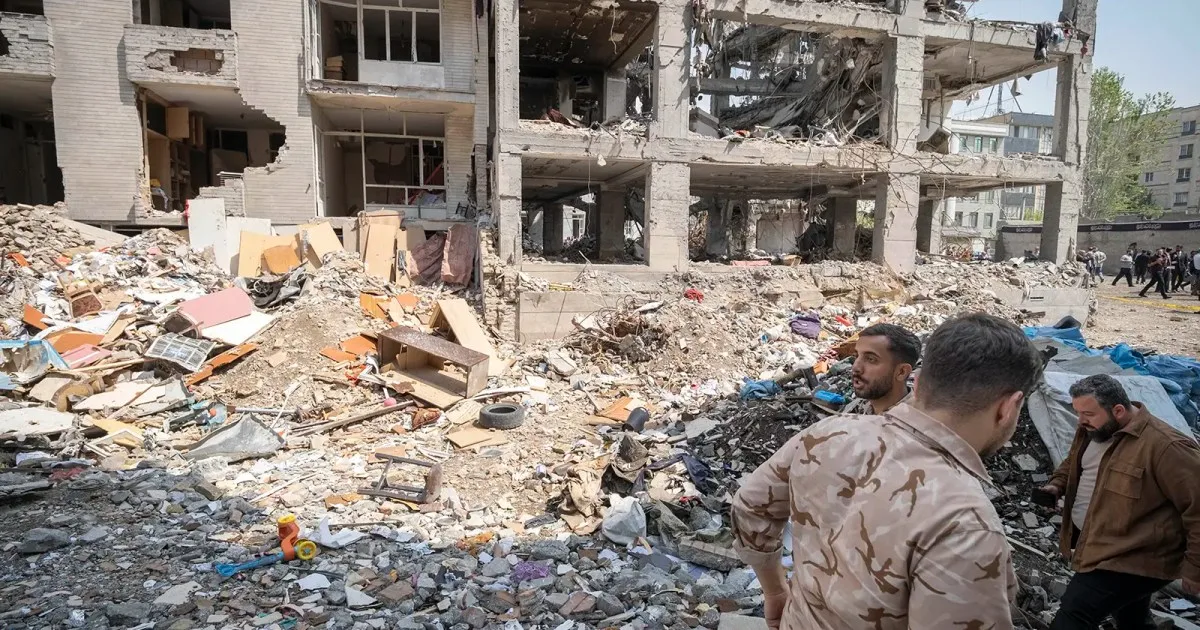
One report carries the price. MSNBC gives "the conflict's $38 billion cost", then qualifies it: the figure "is a minimum that doesn't include all kinds of things". It is the only cost in the five reports we hold, and none of them says what the number counts.
One outlet carries the vote. The Hill reports the House passed a Democratic-backed war powers resolution on Tuesday evening, aimed at restricting President Trump's military actions; calls it the third such resolution; and reports two Iowa Republicans backing one for the first time. Both accounts are The Hill's. No other outlet we hold reports the vote.
The Times is elsewhere. It carries neither the figure nor the vote. One report asks whether this is a "forever war"; another has Beijing hosting an Iranian diplomat before a US–China summit.
| Report | Measures the war in | Its words |
|---|---|---|
| MSNBC | dollars | "$38 billion", "a minimum" |
| The Hill | House votes, read against November | "a notable move" |
| New York Times, Sanger | time | "no clear endgame" |
| New York Times, Beijing | diplomacy | "demonstrating its influence over Tehran" |
Not settled. What the $38 billion covers and what it leaves out — no report we hold says. Whether the Senate takes the resolution up. And what the war has cost in lives: not one of the five reports gives a casualty figure, on any side, or names anyone killed.
What this is about. Who decides when the United States stops fighting Iran — the president or Congress — and what the fighting has cost.
How it got here. The US Constitution gives Congress the power to declare war and makes the president commander-in-chief of the armed forces. After Vietnam, Congress passed the War Powers Resolution in 1973 over President Nixon's veto: the president must report to Congress when American forces are sent into hostilities, and Congress can direct their withdrawal. Such a resolution is privileged, so a single member can force it to the floor — which is why they keep returning. The Hill reports Tuesday's was the third on Iran. None of this binds until a resolution passes both the House and the Senate, and the president can veto it. The reports we hold do not say when or how the war with Iran began, and we hold nothing that sets that out.
Who is in it. President Trump directs the military action the resolution seeks to restrict. Hakeem Jeffries (D-N.Y.) is House Minority Leader: his party is the smaller one in the chamber, so a resolution it backs passes only with Republican votes — which is what makes The Hill's two Iowa Republicans, from what it calls "the deep-red Hawkeye State", the story. China is one of the five permanent members of the UN Security Council; the New York Times reports it hosted an Iranian diplomat and "renewed calls for an end to the fighting" before a US–China summit.
What is at stake. If the Senate passes the resolution and it survives a veto, Congress directs an end to American involvement. If it does not, the war continues at the president's direction and the argument moves to the midterm elections, when every House seat is contested — "less than two months away", The Hill notes.
Where it stands. The House has voted. Nothing we hold says what the Senate will do.
What is being argued about
- A $38 billion cost figure that its own outlet calls a minimum
- The House's third Iran war powers resolution, and who crossed party lines
- Whether the war has an endgame, and who is asking
- Beijing's call for the fighting to stop, before a US–China summit
| Report | What it measures | Attributed, or the outlet's own? |
|---|---|---|
| MSNBC | Money: "the conflict's $38 billion cost" | The outlet's own — "the bad news", "the worse news"; it adds that the figure "is a minimum that doesn't include all kinds of things" |
| The Hill — Iowa Republicans | Votes: two Republicans back a war powers resolution "for the first time" | The outlet's own — "a notable move"; nobody is quoted calling it that |
| The Hill — Jeffries remarks | Votes: "the House passed its third Iran war powers resolution Tuesday evening" | The vote is reported flat; "Democrats hope to retake control of Congress" is sourced to nobody |
| New York Times — Sanger | Time: "an Iran War that has no clear endgame" | The correspondent's, under a question headline: "Is Iran Shaping Up to Be a 'Forever War'?" |
| New York Times — Beijing | Diplomacy: China "renewed calls for an end to the fighting" | Asserted — the same sentence says China was "demonstrating its influence over Tehran", with no source for the reading |
 MSNBC
MSNBC
🇺🇸US ·
TV/radio · independent
 Why the new price tag for the war with Iran only tells part of an awful story
Open this report in The AI Times →
Read it at MSNBC →
What we have measured
Accuser not named The lede does not name the senator making the accusation ×1Actor named for the ban The White House is the subject of both verbs: it blocked journalists, then let CNN back in. ×1A first stated flat a never-before claim carried without a source attached ×1Asserted, not attributed absence of fraud evidence stated as fact ×1
Outlet profile in The AI Times →
 The Hill
🇺🇸US ·
digital · independent
 2 Iowa GOP reps support Iran war powers resolution for first time
Open this report in The AI Times →
Read it at The Hill →
What we have measured
Accusation attributed the word lying is placed in a named politician's mouth, not the outlet's ×1Actor named No actor named for who kept reporters out ×1Actor named No actor named for who let reporters back in ×1Actor named Names the state as the one that carried out the execution. ×1
Outlet profile in The AI Times →
The Hill
The Hill
🇺🇸US ·
digital · independent
Watch live: Jeffries gives remarks amid Iran war, midterm pressure
Open this report in The AI Times →
Read it at The Hill →
What we have measured
Accusation attributed the word lying is placed in a named politician's mouth, not the outlet's ×1Actor named No actor named for who kept reporters out ×1Actor named No actor named for who let reporters back in ×1Actor named Names the state as the one that carried out the execution. ×1
Outlet profile in The AI Times →
 The New York Times
🇺🇸US ·
newspaper · independent
 Is Iran Shaping Up to Be a ‘Forever War’?
Open this report in The AI Times →
Read it at The New York Times →
What we have measured
Active and passive voice the ship is 'targeted' with no actor, one sentence before a named actor is given for the Saudi attack ×1Active vs passive voice Pike is named as the killer in the active voice; the botched execution has no actor named ×1Actor label Names the shooter by its backer, not by its own name. ×1Actor named Names the official and what the process did to Pike. ×1
Outlet profile in The AI Times →
The New York Times
The New York Times
🇺🇸US ·
newspaper · independent
In a Signal to Trump, Beijing Hosts Iranian Diplomat Ahead of U.S.-China Summit
Open this report in The AI Times →
Read it at The New York Times →
What we have measured
Active and passive voice the ship is 'targeted' with no actor, one sentence before a named actor is given for the Saudi attack ×1Active vs passive voice Pike is named as the killer in the active voice; the botched execution has no actor named ×1Actor label Names the shooter by its backer, not by its own name. ×1Actor named Names the official and what the process did to Pike. ×1
Outlet profile in The AI Times →
- Tue 15 Sep— no time published The House passed a Democratic-backed war powers resolution on Iran, aimed at restricting the president's military actions — the third, The Hill reports 3rd resolutionThe Hill gives the evening, not the hour
- Wed 16 Sep10:51 published time on the report The New York Times asks whether Iran is becoming a "forever war"its own White House correspondent, David Sanger
- Wed 16 Sep12:29 published time on the report The New York Times reports Beijing hosting an Iranian diplomat ahead of the US–China summit
- Wed 16 Sep13:10 published time on the report MSNBC publishes the war's cost and calls the figure a minimum $38 billion
- Wed 16 Sep14:00 published time on the report The Hill carries Jeffries speaking as the midterms near, and dates the third resolution to Tuesday evening
- Wed 16 Sep15:52 published time on the report The Hill reports two Iowa Republicans backing an Iran war powers resolution for the first time 2 Republicans
The New York Times
The New York Times
🇺🇸US ·
newspaper · independent
Is Iran Shaping Up to Be a ‘Forever War’?
Open this report in The AI Times →
Read it at The New York Times →
What we have measured
Active and passive voice the ship is 'targeted' with no actor, one sentence before a named actor is given for the Saudi attack ×1Active vs passive voice Pike is named as the killer in the active voice; the botched execution has no actor named ×1Actor label Names the shooter by its backer, not by its own name. ×1Actor named Names the official and what the process did to Pike. ×1
Outlet profile in The AI Times →
The New York Times
The New York Times
🇺🇸US ·
newspaper · independent
In a Signal to Trump, Beijing Hosts Iranian Diplomat Ahead of U.S.-China Summit
Open this report in The AI Times →
Read it at The New York Times →
What we have measured
Active and passive voice the ship is 'targeted' with no actor, one sentence before a named actor is given for the Saudi attack ×1Active vs passive voice Pike is named as the killer in the active voice; the botched execution has no actor named ×1Actor label Names the shooter by its backer, not by its own name. ×1Actor named Names the official and what the process did to Pike. ×1
Outlet profile in The AI Times →
MSNBC
MSNBC
🇺🇸US ·
TV/radio · independent
Why the new price tag for the war with Iran only tells part of an awful story
Open this report in The AI Times →
Read it at MSNBC →
What we have measured
Accuser not named The lede does not name the senator making the accusation ×1Actor named for the ban The White House is the subject of both verbs: it blocked journalists, then let CNN back in. ×1A first stated flat a never-before claim carried without a source attached ×1Asserted, not attributed absence of fraud evidence stated as fact ×1
Outlet profile in The AI Times →
The Hill
The Hill
🇺🇸US ·
digital · independent
Watch live: Jeffries gives remarks amid Iran war, midterm pressure
Open this report in The AI Times →
Read it at The Hill →
What we have measured
Accusation attributed the word lying is placed in a named politician's mouth, not the outlet's ×1Actor named No actor named for who kept reporters out ×1Actor named No actor named for who let reporters back in ×1Actor named Names the state as the one that carried out the execution. ×1
Outlet profile in The AI Times →
The Hill
The Hill
🇺🇸US ·
digital · independent
2 Iowa GOP reps support Iran war powers resolution for first time
Open this report in The AI Times →
Read it at The Hill →
What we have measured
Accusation attributed the word lying is placed in a named politician's mouth, not the outlet's ×1Actor named No actor named for who kept reporters out ×1Actor named No actor named for who let reporters back in ×1Actor named Names the state as the one that carried out the execution. ×1
Outlet profile in The AI Times →
A war measured in dollars and seats
Every report we hold on this war counts something other than people. One carries a cost, $38 billion, described as a minimum; two measure the House votes by how they read two months before an election. Not one of the five names a person killed or gives a casualty figure on any side.
Who is quoted about ending it
The voices in these reports are American politicians and the outlets' own correspondents. One report carries a foreign government's call for the fighting to stop, and states that government's motive rather than attributing it. No report we hold quotes anyone in Iran.
MSNBC
MSNBC
🇺🇸US ·
TV/radio · independent
Why the new price tag for the war with Iran only tells part of an awful story
Open this report in The AI Times →
Read it at MSNBC →
What we have measured
Accuser not named The lede does not name the senator making the accusation ×1Actor named for the ban The White House is the subject of both verbs: it blocked journalists, then let CNN back in. ×1A first stated flat a never-before claim carried without a source attached ×1Asserted, not attributed absence of fraud evidence stated as fact ×1
Outlet profile in The AI Times →
The Hill
The Hill
🇺🇸US ·
digital · independent
2 Iowa GOP reps support Iran war powers resolution for first time
Open this report in The AI Times →
Read it at The Hill →
What we have measured
Accusation attributed the word lying is placed in a named politician's mouth, not the outlet's ×1Actor named No actor named for who kept reporters out ×1Actor named No actor named for who let reporters back in ×1Actor named Names the state as the one that carried out the execution. ×1
Outlet profile in The AI Times →
The Hill
The Hill
🇺🇸US ·
digital · independent
Watch live: Jeffries gives remarks amid Iran war, midterm pressure
Open this report in The AI Times →
Read it at The Hill →
What we have measured
Accusation attributed the word lying is placed in a named politician's mouth, not the outlet's ×1Actor named No actor named for who kept reporters out ×1Actor named No actor named for who let reporters back in ×1Actor named Names the state as the one that carried out the execution. ×1
Outlet profile in The AI Times →
The New York Times
The New York Times
🇺🇸US ·
newspaper · independent
Is Iran Shaping Up to Be a ‘Forever War’?
Open this report in The AI Times →
Read it at The New York Times →
What we have measured
Active and passive voice the ship is 'targeted' with no actor, one sentence before a named actor is given for the Saudi attack ×1Active vs passive voice Pike is named as the killer in the active voice; the botched execution has no actor named ×1Actor label Names the shooter by its backer, not by its own name. ×1Actor named Names the official and what the process did to Pike. ×1
Outlet profile in The AI Times →
The New York Times
The New York Times
🇺🇸US ·
newspaper · independent
In a Signal to Trump, Beijing Hosts Iranian Diplomat Ahead of U.S.-China Summit
Open this report in The AI Times →
Read it at The New York Times →
What we have measured
Active and passive voice the ship is 'targeted' with no actor, one sentence before a named actor is given for the Saudi attack ×1Active vs passive voice Pike is named as the killer in the active voice; the botched execution has no actor named ×1Actor label Names the shooter by its backer, not by its own name. ×1Actor named Names the official and what the process did to Pike. ×1
Outlet profile in The AI Times →
Claims and verdicts
MSNBC
MSNBC
🇺🇸US ·
TV/radio · independent
Why the new price tag for the war with Iran only tells part of an awful story
Open this report in The AI Times →
Read it at MSNBC →
What we have measured
Accuser not named The lede does not name the senator making the accusation ×1Actor named for the ban The White House is the subject of both verbs: it blocked journalists, then let CNN back in. ×1A first stated flat a never-before claim carried without a source attached ×1Asserted, not attributed absence of fraud evidence stated as fact ×1
Outlet profile in The AI Times →
The Hill
The Hill
🇺🇸US ·
digital · independent
2 Iowa GOP reps support Iran war powers resolution for first time
Open this report in The AI Times →
Read it at The Hill →
What we have measured
Accusation attributed the word lying is placed in a named politician's mouth, not the outlet's ×1Actor named No actor named for who kept reporters out ×1Actor named No actor named for who let reporters back in ×1Actor named Names the state as the one that carried out the execution. ×1
Outlet profile in The AI Times →
The Hill
The Hill
🇺🇸US ·
digital · independent
Watch live: Jeffries gives remarks amid Iran war, midterm pressure
Open this report in The AI Times →
Read it at The Hill →
What we have measured
Accusation attributed the word lying is placed in a named politician's mouth, not the outlet's ×1Actor named No actor named for who kept reporters out ×1Actor named No actor named for who let reporters back in ×1Actor named Names the state as the one that carried out the execution. ×1
Outlet profile in The AI Times →
The New York Times
The New York Times
🇺🇸US ·
newspaper · independent
In a Signal to Trump, Beijing Hosts Iranian Diplomat Ahead of U.S.-China Summit
Open this report in The AI Times →
Read it at The New York Times →
What we have measured
Active and passive voice the ship is 'targeted' with no actor, one sentence before a named actor is given for the Saudi attack ×1Active vs passive voice Pike is named as the killer in the active voice; the botched execution has no actor named ×1Actor label Names the shooter by its backer, not by its own name. ×1Actor named Names the official and what the process did to Pike. ×1
Outlet profile in The AI Times →
Who wrote it
The Hill
MSNBC
The New York Times
The New York Times
The New York Times
The New York Times
The New York Times
Coverage, outlet by outlet
The Hill
The Hill
🇺🇸US ·
digital · independent
2 Iowa GOP reps support Iran war powers resolution for first time
Open this report in The AI Times →
Read it at The Hill →
What we have measured
Accusation attributed the word lying is placed in a named politician's mouth, not the outlet's ×1Actor named No actor named for who kept reporters out ×1Actor named No actor named for who let reporters back in ×1Actor named Names the state as the one that carried out the execution. ×1
Outlet profile in The AI Times →
— independent
The Hill
The Hill
🇺🇸US ·
digital · independent
Watch live: Jeffries gives remarks amid Iran war, midterm pressure
Open this report in The AI Times →
Read it at The Hill →
What we have measured
Accusation attributed the word lying is placed in a named politician's mouth, not the outlet's ×1Actor named No actor named for who kept reporters out ×1Actor named No actor named for who let reporters back in ×1Actor named Names the state as the one that carried out the execution. ×1
Outlet profile in The AI Times →
— independent
MSNBC
MSNBC
🇺🇸US ·
TV/radio · independent
Why the new price tag for the war with Iran only tells part of an awful story
Open this report in The AI Times →
Read it at MSNBC →
What we have measured
Accuser not named The lede does not name the senator making the accusation ×1Actor named for the ban The White House is the subject of both verbs: it blocked journalists, then let CNN back in. ×1A first stated flat a never-before claim carried without a source attached ×1Asserted, not attributed absence of fraud evidence stated as fact ×1
Outlet profile in The AI Times →
— independent
The New York Times
The New York Times
🇺🇸US ·
newspaper · independent
In a Signal to Trump, Beijing Hosts Iranian Diplomat Ahead of U.S.-China Summit
Open this report in The AI Times →
Read it at The New York Times →
What we have measured
Active and passive voice the ship is 'targeted' with no actor, one sentence before a named actor is given for the Saudi attack ×1Active vs passive voice Pike is named as the killer in the active voice; the botched execution has no actor named ×1Actor label Names the shooter by its backer, not by its own name. ×1Actor named Names the official and what the process did to Pike. ×1
Outlet profile in The AI Times →
— independent
The New York Times
The New York Times
🇺🇸US ·
newspaper · independent
Is Iran Shaping Up to Be a ‘Forever War’?
Open this report in The AI Times →
Read it at The New York Times →
What we have measured
Active and passive voice the ship is 'targeted' with no actor, one sentence before a named actor is given for the Saudi attack ×1Active vs passive voice Pike is named as the killer in the active voice; the botched execution has no actor named ×1Actor label Names the shooter by its backer, not by its own name. ×1Actor named Names the official and what the process did to Pike. ×1
Outlet profile in The AI Times →
— independent Mother Jones
🇺🇸US ·
magazine · independent
What we have measured
Asserted, not attributed 'ultra-gerrymandered' stated as fact ×1Asserted versus attributed 'Cover-up' is asserted in the report's own voice, not attributed ×1Asserted versus attributed calls it a cover-up in its own voice ×1Assertion vs attribution describes the operation as a 'violent occupation' in its own voice, with no source for the phrase ×1
Outlet profile in The AI Times →
 Reuters
🇺🇸US ·
wire · independent
What we have measured
Actor named The attacker is the subject of an active verb for both the deaths and the damage ×1Actor named No actor named for who cancelled the flights ×1Agreement stated flat, source in a tail attribution moved after the dash ×1Announcement written as settled A social-media post becomes a future indicative: the conversion will happen ×1
Outlet profile in The AI Times →
N
NPR
 Fox News
🇺🇸US ·
TV/radio · independent
What we have measured
Accused named Names one former fraternity member through his lawyer's denial. The woman is anonymous by her own choice. ×1Actor in headline The headline names Trump as the one acting. The body names only Anduril. ×1A number, with no people named The only report that gives a figure counts the journalists whose communications were swept up. It names none of them. ×1Asserted, not attributed stated flat: past court defeats are asserted with no case, judge or date named ×1
Outlet profile in The AI Times →
 Breitbart
🇺🇸US ·
digital · independent
What we have measured
Anyone hurt is counted, not named eight deaths given as a number only ×1Framing of motive The lede calls the denial a punishment and puts 'fake news' in quotation marks; the officials being sued are left unnamed ×1How the person shot is named a status, not a name: the only report that never uses either name calls him an illegal alien ×1How the place is described a party label attached to the city in the same clause as the casualty count ×1
Outlet profile in The AI Times →
 National Review
🇺🇸US ·
magazine · independent
What we have measured
Asserted not attributed Doubt about the allegation is stated flat, in the outlet's own voice ×1Asserted not attributed An argument about deterrence is stated as fact ×1Asserted versus attributed calls it an abuse of power in its own voice ×1Asserted versus attributed 'Abuse of presidential power' is stated flat ×1
Outlet profile in The AI Times →
 The Wall Street Journal
🇺🇸US ·
newspaper · independent
What we have measured
Outlet profile in The AI Times →
 Associated Press
🇺🇸US ·
wire · independent
What we have measured
Dating and attribution Dates the signing to Aug. 6, 2026 and writes ord ×1Dating and attribution Carries a dateline correction, repeated three ti ×1How hard the claim is stated Marks "birth tourism" as the administration's ow ×1How hard the claim is stated high ×1
Outlet profile in The AI Times →