NPR's headline says Trump "can't demolish" the Kennedy Center; MSNBC says the judge "did not flatly prohibit" it and only required 30 days' notice
A federal judge in Washington ruled on the closed Kennedy Center on 17 September. NPR's headline calls it a ban on demolition. MSNBC calls it a notice rule. Outlets also differ on how long the closure lasts: one week, says the Center's director, or for good, say allies of the president whom the Post does not name.
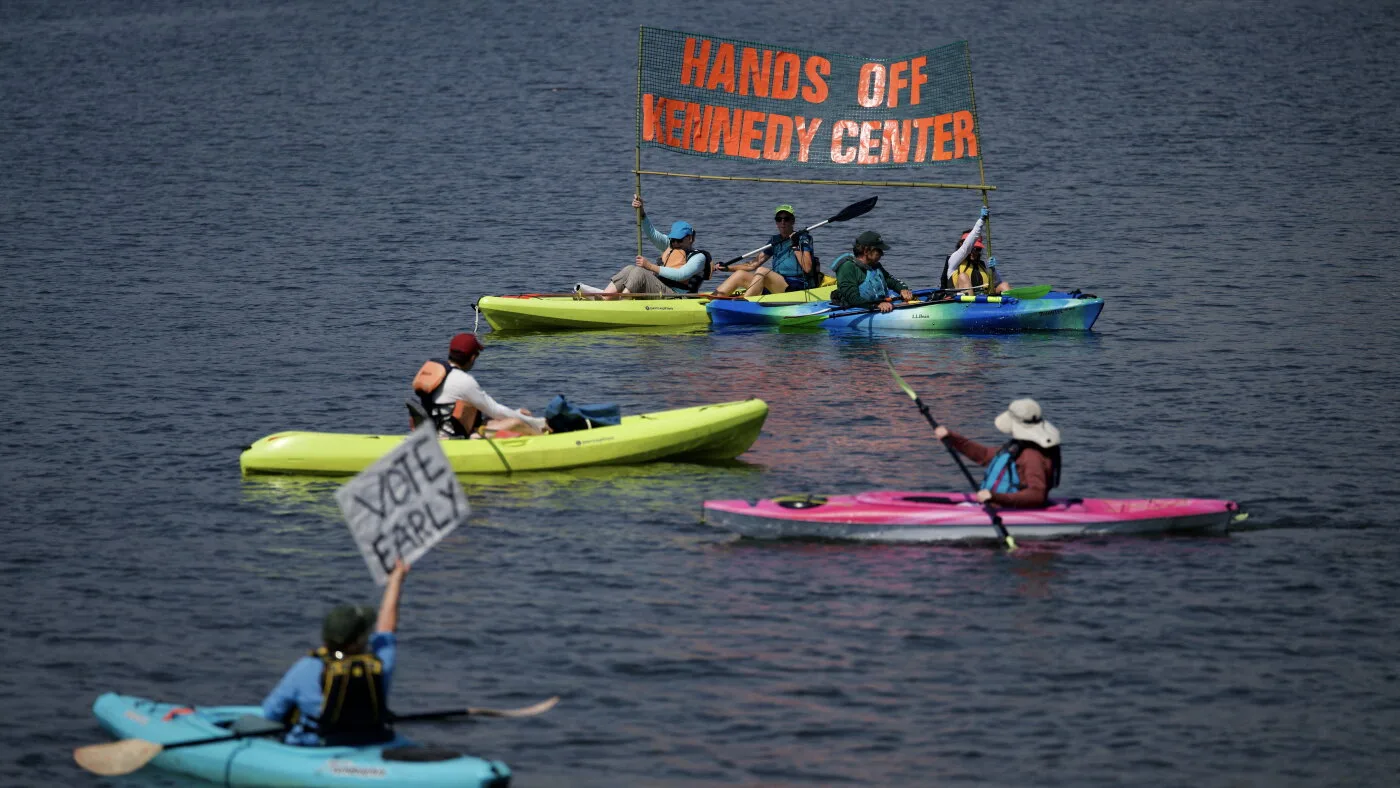
The order. NPR and MSNBC report that federal Judge Christopher Cooper ruled on Thursday 17 September. NPR's headline says Trump "can't demolish" the Kennedy Center. Its own summary adds a condition: not "without a 30-day notice". MSNBC reports that Cooper turned down Rep. Joyce Beatty's request for an emergency hearing. Instead, MSNBC says, he ordered more than 30 days' notice before any demolition or new building, a sworn status report by next week, and discovery into Trump's statement. MSNBC says Cooper "did not flatly prohibit the demolition of the building".
| Outlet | What the order does | How long the closure lasts |
|---|---|---|
| NPR | Headline: "can't demolish". Body: not without 30 days' notice | — |
| MSNBC | Notice rule, "not flatly" a ban | Puts "temporary closure" in quotation marks |
| Washington Examiner | — | Director: one week for inspections, "unless extended" |
| Washington Post | — | Allies it does not name: "could be permanent" |
| Mother Jones | — | Says crews fenced the Center off on Wednesday |
The threat. MSNBC quotes Trump saying the Center "will end up being ripped down" if his administration is not recognised for raising money. Mother Jones says his condition is his name on the building.
What is not settled - Whether the "emergency repairs" could become demolition. MSNBC raises this and it has no answer yet. - How long the closure will last. - Whether breaking the order would have consequences. MSNBC argues the likely answer is "not much". - We have not read the order itself. From the Post we hold one sentence. From the Examiner we hold only a headline.
What this is about. A court fight over whether President Trump can close, rename or tear down the John F. Kennedy Center for the Performing Arts.
What the Center is. Congress created a national cultural centre in Washington DC in 1958. In 1964, after President Kennedy's assassination, Congress named it as his memorial. It opened in 1971 on the bank of the Potomac. It is a federal institution and presents music, theatre and dance. Its board of trustees runs it.
How it got here. In early 2025, soon after returning to office, Trump replaced board members and became the board's chair. The board he appointed then moved to put his name on the building. Rep. Joyce Beatty, an Ohio Democrat and a board member because of her seat in Congress, sued over the renaming and the closure. MSNBC reports that Congress funded a "repair and restoration" of the building last year. It also reports that the board voted to wind down programming and then close the Center entirely. In May a federal court issued an injunction that stopped the defendants from carrying that out, according to MSNBC. There is a second lawsuit with other plaintiffs.
The actors. Trump and the board he appointed are defending the closure as a repair. Beatty and the other plaintiffs say it breaks the May injunction. Judge Christopher Cooper of the federal court in Washington hears the cases. Appeals go to the D.C. Circuit.
What is at stake. A national memorial could be closed for a week or for good, and possibly demolished. There is also the question of whether a court order holds when the president is the defendant. MSNBC notes that no sitting president has ever been held in contempt of court.
Where it stands. On the evening of 16 September, Trump said the Center would be "ripped down" unless his administration got credit, MSNBC reports. On 17 September Cooper required notice before any demolition and ordered a sworn report due next week. The Center is fenced off, Mother Jones reports.
What is being argued about
- Whether Judge Cooper's order bans demolition or only requires 30 days' notice
- How long the closure lasts: one week for inspections, or permanently
- What condition Trump attached to his threat: credit for fundraising, or his name on the building
- Whether breaking the order would carry any consequence
| Outlet | What it said | Stated as |
|---|---|---|
| Headline: Trump "can't demolish Kennedy Center". Summary: not "without a 30-day notice". | Ban in the headline, condition in the body | NPR |
| Cooper "did not flatly prohibit the demolition of the building". He required notice more than 30 days before any demolition. | Stated in its own voice | MSNBC |
| Director: "closed for one week for safety inspections, 'unless extended'" | Attributed to the director | Washington Examiner |
| Closure "could be permanent if his name is not added" | Attributed to allies it does not name | The Washington Post |
| "Construction crews fenced off the center on Wednesday" | Stated in its own voice | Mother Jones |
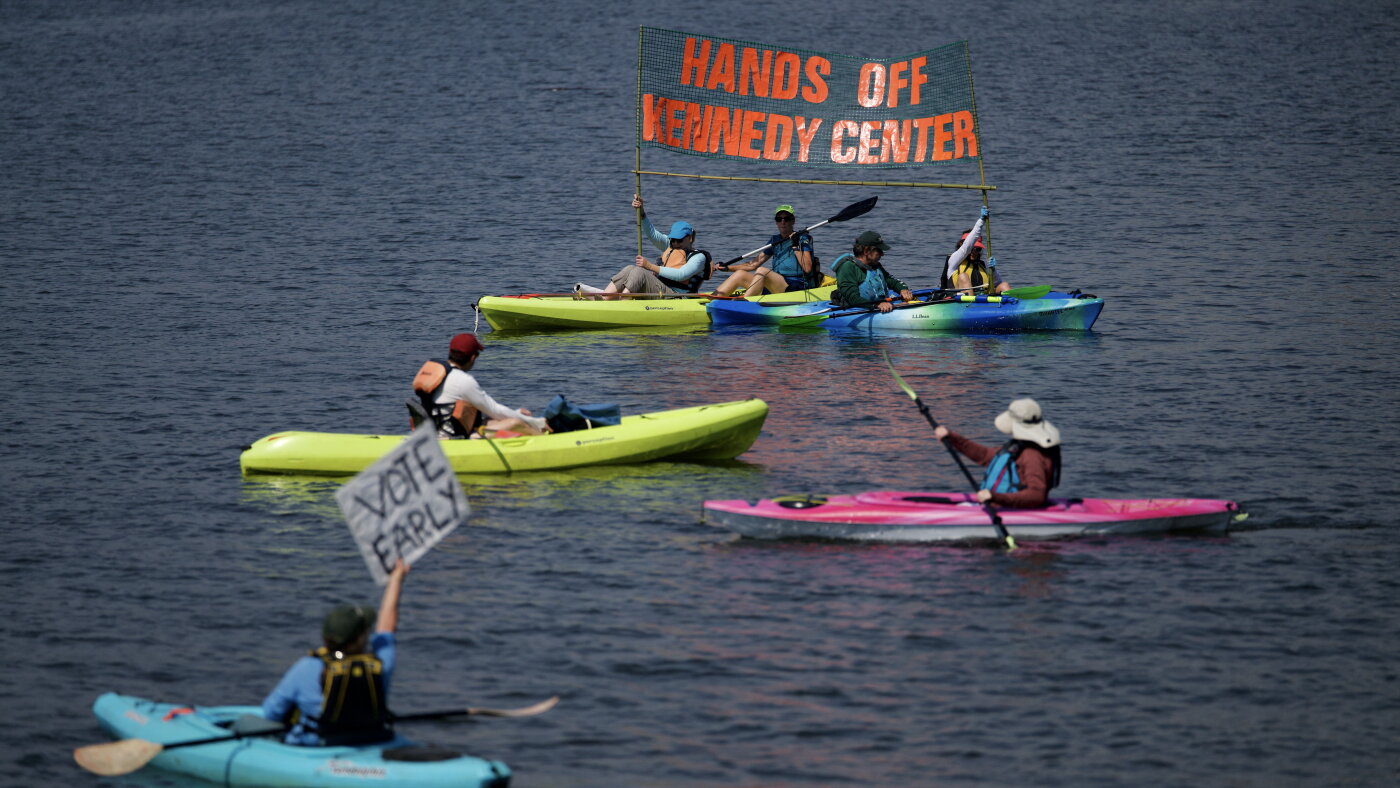 Judge says Trump can't demolish Kennedy Center. And, lawsuits target voter intimidation
Open this report in The AI Times →
Read it at NPR →
What we have measured
Asserted, not attributed that the system wrongly flagged citizens is stated flat, with no source named for it ×1Asserted versus attributed public disbelief stated as established, with nothing cited that measured it ×1Asserted versus attributed Past threats of force are stated flat, as background ×1Asymmetric labelling one side tagged by its patron, the other not ×1
Outlet profile in The AI Times →
 MSNBC
MSNBC
🇺🇸US ·
TV/radio · independent
 If Trump and others violate a court’s order on the Kennedy Center, would there be any real consequences?
Open this report in The AI Times →
Read it at MSNBC →
What we have measured
Accuser not named The lede does not name the senator making the accusation ×1Actor named for the ban The White House is the subject of both verbs: it blocked journalists, then let CNN back in. ×1A first stated flat a never-before claim carried without a source attached ×1Asserted, not attributed absence of fraud evidence stated as fact ×1
Outlet profile in The AI Times →
 Washington Examiner
🇺🇸US ·
newspaper · independent
 Macklemore should ‘go to Gaza’ if he’s that passionate about Palestinians: Joe Concha
Open this report in The AI Times →
Read it at Washington Examiner →
What we have measured
Accusation printed unanswered a named candidate is accused of responsibility for murders, with no response carried ×1Accused named Names one accused student, citing the lawsuit; no other report we hold names any of the accused ×1Accused named Names each person charged and gives their nationality. None of the defendants is quoted. ×1Accused named Names one accused student from the civil filing and attributes the claim to the lawsuit ×1
Outlet profile in The AI Times →
T
The Washington Post
 What to know about the Kennedy Center closing under Trump
Open this report in The AI Times →
Read it at The Washington Post →
What we have measured
Accused's denial carried the only report carrying the Marine's side ×1Actor named via accusation the administration is named as acting, through the ranchers' charge; the price rise is stated flat ×1Asserted, not attributed a shift of power to Iran stated flat in the headline ×1Asserted or attributed the headline states as data what the body shows the chair selecting in a speech ×1
Outlet profile in The AI Times →
 Mother Jones
🇺🇸US ·
magazine · independent
 The Kennedy Center Is Just Trump’s Latest Hostage
Open this report in The AI Times →
Read it at Mother Jones →
What we have measured
Asserted, not attributed 'ultra-gerrymandered' stated as fact ×1Asserted versus attributed 'Cover-up' is asserted in the report's own voice, not attributed ×1Asserted versus attributed calls it a cover-up in its own voice ×1Assertion vs attribution describes the operation as a 'violent occupation' in its own voice, with no source for the phrase ×1
Outlet profile in The AI Times →
- 2026-05— no time published Federal court Injunction stops the board from winding down programming and closing the Center, MSNBC reports
- 2026-09-16— no time published Construction crews Fence off the Center, Mother Jones reports
- 2026-09-16— no time published; MSNBC says "Wednesday night" Donald Trump Says the Center "will end up being ripped down" unless his administration is recognisedMSNBC
- 2026-09-17— no time published Judge Christopher Cooper Turns down an emergency hearing and requires notice of more than 30 days before any demolition 30 daysNPR, MSNBC
- 2026-09-1720:51 UTC publication time of the report The Washington Post Allies it does not name warn the closure "could be permanent"
- 2026-09-1811:09 UTC publication time of the report NPR Headline: "Judge says Trump can't demolish Kennedy Center"
- 2026-09-1814:53 UTC publication time of the report MSNBC Says Cooper "did not flatly prohibit" demolition
MSNBC
MSNBC
🇺🇸US ·
TV/radio · independent
If Trump and others violate a court’s order on the Kennedy Center, would there be any real consequences?
Open this report in The AI Times →
Read it at MSNBC →
What we have measured
Accuser not named The lede does not name the senator making the accusation ×1Actor named for the ban The White House is the subject of both verbs: it blocked journalists, then let CNN back in. ×1A first stated flat a never-before claim carried without a source attached ×1Asserted, not attributed absence of fraud evidence stated as fact ×1
Outlet profile in The AI Times →
Mother Jones
Mother Jones
🇺🇸US ·
magazine · independent
The Kennedy Center Is Just Trump’s Latest Hostage
Open this report in The AI Times →
Read it at Mother Jones →
What we have measured
Asserted, not attributed 'ultra-gerrymandered' stated as fact ×1Asserted versus attributed 'Cover-up' is asserted in the report's own voice, not attributed ×1Asserted versus attributed calls it a cover-up in its own voice ×1Assertion vs attribution describes the operation as a 'violent occupation' in its own voice, with no source for the phrase ×1
Outlet profile in The AI Times →
N
NPR
Judge says Trump can't demolish Kennedy Center. And, lawsuits target voter intimidation
Open this report in The AI Times →
Read it at NPR →
What we have measured
Asserted, not attributed that the system wrongly flagged citizens is stated flat, with no source named for it ×1Asserted versus attributed public disbelief stated as established, with nothing cited that measured it ×1Asserted versus attributed Past threats of force are stated flat, as background ×1Asymmetric labelling one side tagged by its patron, the other not ×1
Outlet profile in The AI Times →
T
The Washington Post
What to know about the Kennedy Center closing under Trump
Open this report in The AI Times →
Read it at The Washington Post →
What we have measured
Accused's denial carried the only report carrying the Marine's side ×1Actor named via accusation the administration is named as acting, through the ranchers' charge; the price rise is stated flat ×1Asserted, not attributed a shift of power to Iran stated flat in the headline ×1Asserted or attributed the headline states as data what the body shows the chair selecting in a speech ×1
Outlet profile in The AI Times →
One order, two readings
One headline says the judge barred demolition. A longer report says the order only requires 30 days' notice before any demolition. Only that longer report names the judge or sets out what the order does.
Who speaks for the Center
The president's own words are quoted at length. The threat that the closure could be permanent is put to allies who are not named. The Center's own account, a one-week inspection closure, appears only as a link line.
Judge says Trump can't demolish Kennedy Center. And, lawsuits target voter intimidation
Open this report in The AI Times →
Read it at NPR →
What we have measured
Asserted, not attributed that the system wrongly flagged citizens is stated flat, with no source named for it ×1Asserted versus attributed public disbelief stated as established, with nothing cited that measured it ×1Asserted versus attributed Past threats of force are stated flat, as background ×1Asymmetric labelling one side tagged by its patron, the other not ×1
Outlet profile in The AI Times →
MSNBC
MSNBC
🇺🇸US ·
TV/radio · independent
If Trump and others violate a court’s order on the Kennedy Center, would there be any real consequences?
Open this report in The AI Times →
Read it at MSNBC →
What we have measured
Accuser not named The lede does not name the senator making the accusation ×1Actor named for the ban The White House is the subject of both verbs: it blocked journalists, then let CNN back in. ×1A first stated flat a never-before claim carried without a source attached ×1Asserted, not attributed absence of fraud evidence stated as fact ×1
Outlet profile in The AI Times →
T
The Washington Post
What to know about the Kennedy Center closing under Trump
Open this report in The AI Times →
Read it at The Washington Post →
What we have measured
Accused's denial carried the only report carrying the Marine's side ×1Actor named via accusation the administration is named as acting, through the ranchers' charge; the price rise is stated flat ×1Asserted, not attributed a shift of power to Iran stated flat in the headline ×1Asserted or attributed the headline states as data what the body shows the chair selecting in a speech ×1
Outlet profile in The AI Times →
Mother Jones
Mother Jones
🇺🇸US ·
magazine · independent
The Kennedy Center Is Just Trump’s Latest Hostage
Open this report in The AI Times →
Read it at Mother Jones →
What we have measured
Asserted, not attributed 'ultra-gerrymandered' stated as fact ×1Asserted versus attributed 'Cover-up' is asserted in the report's own voice, not attributed ×1Asserted versus attributed calls it a cover-up in its own voice ×1Assertion vs attribution describes the operation as a 'violent occupation' in its own voice, with no source for the phrase ×1
Outlet profile in The AI Times →
Washington Examiner
Washington Examiner
🇺🇸US ·
newspaper · independent
Macklemore should ‘go to Gaza’ if he’s that passionate about Palestinians: Joe Concha
Open this report in The AI Times →
Read it at Washington Examiner →
What we have measured
Accusation printed unanswered a named candidate is accused of responsibility for murders, with no response carried ×1Accused named Names one accused student, citing the lawsuit; no other report we hold names any of the accused ×1Accused named Names each person charged and gives their nationality. None of the defendants is quoted. ×1Accused named Names one accused student from the civil filing and attributes the claim to the lawsuit ×1
Outlet profile in The AI Times →
Claims and verdicts
Judge says Trump can't demolish Kennedy Center. And, lawsuits target voter intimidation
Open this report in The AI Times →
Read it at NPR →
What we have measured
Asserted, not attributed that the system wrongly flagged citizens is stated flat, with no source named for it ×1Asserted versus attributed public disbelief stated as established, with nothing cited that measured it ×1Asserted versus attributed Past threats of force are stated flat, as background ×1Asymmetric labelling one side tagged by its patron, the other not ×1
Outlet profile in The AI Times →
MSNBC
MSNBC
🇺🇸US ·
TV/radio · independent
If Trump and others violate a court’s order on the Kennedy Center, would there be any real consequences?
Open this report in The AI Times →
Read it at MSNBC →
What we have measured
Accuser not named The lede does not name the senator making the accusation ×1Actor named for the ban The White House is the subject of both verbs: it blocked journalists, then let CNN back in. ×1A first stated flat a never-before claim carried without a source attached ×1Asserted, not attributed absence of fraud evidence stated as fact ×1
Outlet profile in The AI Times →
MSNBC
MSNBC
🇺🇸US ·
TV/radio · independent
If Trump and others violate a court’s order on the Kennedy Center, would there be any real consequences?
Open this report in The AI Times →
Read it at MSNBC →
What we have measured
Accuser not named The lede does not name the senator making the accusation ×1Actor named for the ban The White House is the subject of both verbs: it blocked journalists, then let CNN back in. ×1A first stated flat a never-before claim carried without a source attached ×1Asserted, not attributed absence of fraud evidence stated as fact ×1
Outlet profile in The AI Times →
Mother Jones
Mother Jones
🇺🇸US ·
magazine · independent
The Kennedy Center Is Just Trump’s Latest Hostage
Open this report in The AI Times →
Read it at Mother Jones →
What we have measured
Asserted, not attributed 'ultra-gerrymandered' stated as fact ×1Asserted versus attributed 'Cover-up' is asserted in the report's own voice, not attributed ×1Asserted versus attributed calls it a cover-up in its own voice ×1Assertion vs attribution describes the operation as a 'violent occupation' in its own voice, with no source for the phrase ×1
Outlet profile in The AI Times →
T
The Washington Post
What to know about the Kennedy Center closing under Trump
Open this report in The AI Times →
Read it at The Washington Post →
What we have measured
Accused's denial carried the only report carrying the Marine's side ×1Actor named via accusation the administration is named as acting, through the ranchers' charge; the price rise is stated flat ×1Asserted, not attributed a shift of power to Iran stated flat in the headline ×1Asserted or attributed the headline states as data what the body shows the chair selecting in a speech ×1
Outlet profile in The AI Times →
Who wrote it
Mother Jones
Washington Examiner
MSNBC
Coverage, outlet by outlet
Mother Jones
Mother Jones
🇺🇸US ·
magazine · independent
The Kennedy Center Is Just Trump’s Latest Hostage
Open this report in The AI Times →
Read it at Mother Jones →
What we have measured
Asserted, not attributed 'ultra-gerrymandered' stated as fact ×1Asserted versus attributed 'Cover-up' is asserted in the report's own voice, not attributed ×1Asserted versus attributed calls it a cover-up in its own voice ×1Assertion vs attribution describes the operation as a 'violent occupation' in its own voice, with no source for the phrase ×1
Outlet profile in The AI Times →
— independent
Washington Examiner
Washington Examiner
🇺🇸US ·
newspaper · independent
Macklemore should ‘go to Gaza’ if he’s that passionate about Palestinians: Joe Concha
Open this report in The AI Times →
Read it at Washington Examiner →
What we have measured
Accusation printed unanswered a named candidate is accused of responsibility for murders, with no response carried ×1Accused named Names one accused student, citing the lawsuit; no other report we hold names any of the accused ×1Accused named Names each person charged and gives their nationality. None of the defendants is quoted. ×1Accused named Names one accused student from the civil filing and attributes the claim to the lawsuit ×1
Outlet profile in The AI Times →
— independent
MSNBC
MSNBC
🇺🇸US ·
TV/radio · independent
If Trump and others violate a court’s order on the Kennedy Center, would there be any real consequences?
Open this report in The AI Times →
Read it at MSNBC →
What we have measured
Accuser not named The lede does not name the senator making the accusation ×1Actor named for the ban The White House is the subject of both verbs: it blocked journalists, then let CNN back in. ×1A first stated flat a never-before claim carried without a source attached ×1Asserted, not attributed absence of fraud evidence stated as fact ×1
Outlet profile in The AI Times →
— independent
Judge says Trump can't demolish Kennedy Center. And, lawsuits target voter intimidation
Open this report in The AI Times →
Read it at NPR →
What we have measured
Asserted, not attributed that the system wrongly flagged citizens is stated flat, with no source named for it ×1Asserted versus attributed public disbelief stated as established, with nothing cited that measured it ×1Asserted versus attributed Past threats of force are stated flat, as background ×1Asymmetric labelling one side tagged by its patron, the other not ×1
Outlet profile in The AI Times →
— independent
What to know about the Kennedy Center closing under Trump
Open this report in The AI Times →
Read it at The Washington Post →
What we have measured
Accused's denial carried the only report carrying the Marine's side ×1Actor named via accusation the administration is named as acting, through the ranchers' charge; the price rise is stated flat ×1Asserted, not attributed a shift of power to Iran stated flat in the headline ×1Asserted or attributed the headline states as data what the body shows the chair selecting in a speech ×1
Outlet profile in The AI Times →
— independent Reuters
🇺🇸US ·
wire · independent
What we have measured
Actor named The attacker is the subject of an active verb for both the deaths and the damage ×1Actor named No actor named for who cancelled the flights ×1Agreement stated flat, source in a tail attribution moved after the dash ×1Announcement written as settled A social-media post becomes a future indicative: the conversion will happen ×1
Outlet profile in The AI Times →
P
Politico
 Fox News
🇺🇸US ·
TV/radio · independent
What we have measured
Accused named Names one former fraternity member through his lawyer's denial. The woman is anonymous by her own choice. ×1Actor in headline The headline names Trump as the one acting. The body names only Anduril. ×1A number, with no people named The only report that gives a figure counts the journalists whose communications were swept up. It names none of them. ×1Asserted, not attributed stated flat: past court defeats are asserted with no case, judge or date named ×1
Outlet profile in The AI Times →
 Breitbart
🇺🇸US ·
digital · independent
What we have measured
Anyone hurt is counted, not named eight deaths given as a number only ×1Framing of motive The lede calls the denial a punishment and puts 'fake news' in quotation marks; the officials being sued are left unnamed ×1How the person shot is named a status, not a name: the only report that never uses either name calls him an illegal alien ×1How the place is described a party label attached to the city in the same clause as the casualty count ×1
Outlet profile in The AI Times →
 The Hill
🇺🇸US ·
digital · independent
What we have measured
Accusation attributed the word lying is placed in a named politician's mouth, not the outlet's ×1Actor named No actor named for who kept reporters out ×1Actor named No actor named for who let reporters back in ×1Actor named Names the state as the one that carried out the execution. ×1
Outlet profile in The AI Times →
 The New York Times
🇺🇸US ·
newspaper · independent
What we have measured
Active and passive voice the ship is 'targeted' with no actor, one sentence before a named actor is given for the Saudi attack ×1Active vs passive voice Pike is named as the killer in the active voice; the botched execution has no actor named ×1Actor label Names the shooter by its backer, not by its own name. ×1Actor named Names the official and what the process did to Pike. ×1
Outlet profile in The AI Times →
 National Review
🇺🇸US ·
magazine · independent
What we have measured
Asserted not attributed Doubt about the allegation is stated flat, in the outlet's own voice ×1Asserted not attributed An argument about deterrence is stated as fact ×1Asserted versus attributed calls it an abuse of power in its own voice ×1Asserted versus attributed 'Abuse of presidential power' is stated flat ×1
Outlet profile in The AI Times →
 The Wall Street Journal
🇺🇸US ·
newspaper · independent
What we have measured
Outlet profile in The AI Times →
 Associated Press
🇺🇸US ·
wire · independent
What we have measured
Dating and attribution Dates the signing to Aug. 6, 2026 and writes ord ×1Dating and attribution Carries a dateline correction, repeated three ti ×1How hard the claim is stated Marks "birth tourism" as the administration's ow ×1How hard the claim is stated high ×1
Outlet profile in The AI Times →