Reuters says an airbase and oil infrastructure were hit; the coalition says civilian and economic sites
Two accounts of Tuesday's attacks in southern Saudi Arabia carry the same number, 73, and count it differently. The Saudi energy ministry reports fires and a temporary halt to some operations. No report we hold says how much production stopped.
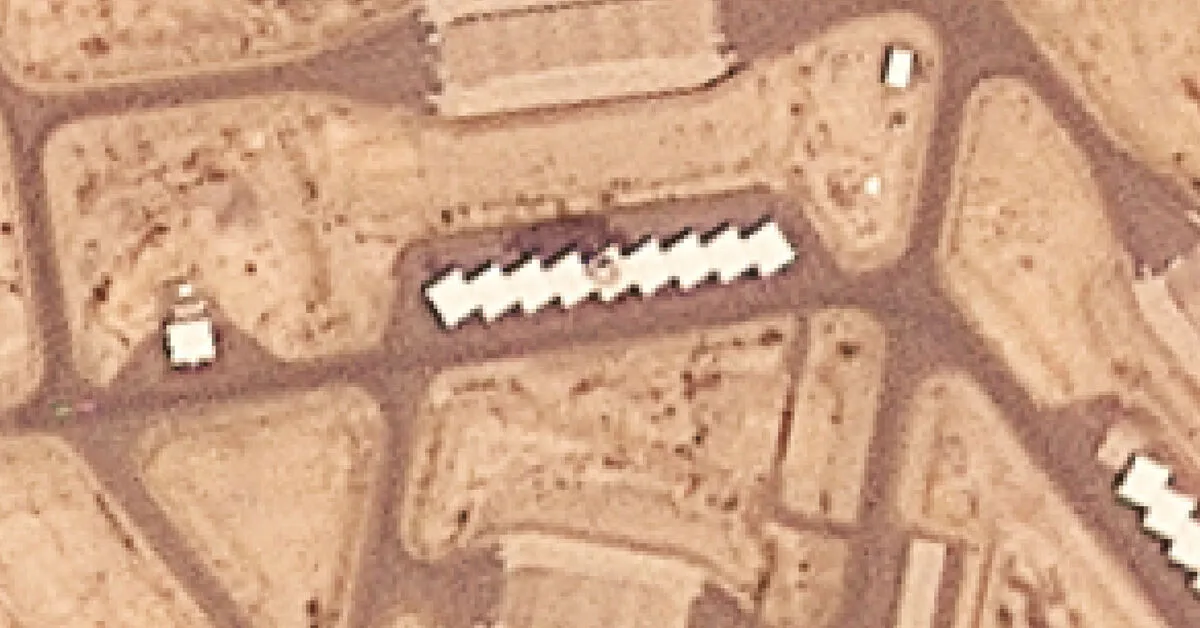
What was struck. Al-Monitor, carrying Reuters copy, says the Houthis "struck an airbase in Khamis Mushait and oil infrastructure in nearby cities" on Tuesday. An-Nahar, quoting the coalition spokesman Major General Turki al-Malki, says the attacks hit "civilian and economic sites" in Abha, Khamis Mushait, Jazan and Najran. The Saudi energy ministry, in the same report, says energy plants and facilities in the south were targeted, causing fires and "a temporary halt to some operations".
The same 73. Both reports carry the figure. Reuters writes "wounding 73 people". An-Nahar writes "73 civilians", attributed to the coalition. Both trace to the coalition, so this is one account rather than two.
| Report | What was hit | Who the 73 are |
|---|---|---|
| Al-Monitor (Reuters) | An airbase at Khamis Mushait, oil infrastructure nearby | 73 people wounded |
| An-Nahar (coalition) | Civilian and economic sites in four cities | 73 civilians hurt |
| An-Nahar (energy ministry) | Energy plants and facilities in the south | Citizens and residents, no figure |
Who warned whom. Al Jazeera says Pakistan warns the Mecca defence agreement "may be activated". Al-Monitor adds that Pakistan delivered a Saudi warning to Iran, from Saudi, Pakistani and Iranian sources it does not name.
Not settled. How much crude or refining capacity stopped, and for how long: no report we hold gives a figure. One report names an airbase among the targets; none denies it. None of the three names anyone hurt, gives a death toll, or carries a Houthi or Yemeni voice.
What this is about. Yemen's Houthi movement fired missiles and drones at cities and energy sites in southern Saudi Arabia. The attacks raise the question of whether a war that had mostly gone quiet on the Saudi border is starting again.
How it got here. - 2014: The Houthis, an armed movement from Yemen's north also called Ansar Allah, took the capital, Sanaa, and pushed out the internationally recognised government. - March 2015: Saudi Arabia formed a military coalition to restore that government. It began bombing Houthi areas. The Houthis answered with missiles and drones fired across the border, often at the same southern cities hit this week: Abha, Khamis Mushait, Jazan and Najran. - September 2019: An attack hit the Saudi oil plants at Abqaiq and Khurais. The Houthis claimed it. The United States blamed Iran, which denied it. - April 2022: A UN-brokered truce began. Cross-border attacks largely stopped, even after the truce formally lapsed. - Late 2023 onward: After the Gaza war began, the Houthis attacked shipping in the Red Sea. The Saudi foreign ministry told An-Nahar those attacks are still going on. - February 2026: Reuters, carried by Al-Monitor, dates a "U.S.-Israeli war on Iran" to February. It calls Tuesday's strike one of the biggest on Saudi Arabia since then.
Who is involved, and why. - The Houthis govern most of northern Yemen's population. They are allied with Iran. - Saudi Arabia leads the coalition. The targets were its oil facilities and its southern cities. - Iran backs the Houthis. How much it directs them is disputed. US Secretary of State Marco Rubio told reporters he believes "the Iranian hand" is behind some of the attacks. - Pakistan signed a mutual defence agreement with Saudi Arabia in September 2025. Under it, an attack on one counts as an attack on both. That is why Pakistan's warning matters.
What is at stake. Saudi Arabia is one of the world's largest oil exporters. Damage to its plants can reach fuel prices far from the Gulf. A return to cross-border war would end the calm that has held since 2022. If the pact were activated, a nuclear-armed state would be drawn into the conflict.
Where it stands. The coalition says there were more attacks on Wednesday. Saudi Arabia says it has the right to respond. No report we hold says how much output stopped, or for how long.
The story so far
- LBCI says the Houthis struck Saudi oil facilities; IRNA says Ansarallah and Saudi Arabia clashed · 8 Sep 2026
Earlier stories The AI Times filed on this thread.
What is being argued about
- What the Houthis hit on Tuesday: an airbase and oil infrastructure, or civilian and economic sites
- Whether the 73 hurt were civilians, and that both figures come from one source
- What the halt at Saudi energy facilities costs, which no report quantifies
- Pakistan's warning to Iran and the Mecca defence agreement
| Outlet | What it said was hit | Who the 73 are | Hedged? |
|---|---|---|---|
| No. Stated in the outlet's own voice. | Al-Monitor (Reuters) | "struck an airbase in Khamis Mushait and oil infrastructure in nearby cities" | "wounding 73 people" — not called civilians |
| Attributed to the coalition. The words terrorist militia and extremist thinking sit in the paraphrase, not in quotes. | An-Nahar (coalition spokesman) | "civilian and economic sites" in Abha, Khamis Mushait, Jazan and Najran | "73 civilians" hurt |
| Attributed to the ministry. No production figure, no duration. | An-Nahar (Saudi energy ministry) | energy plants and facilities in the south; fires and "a temporary halt to some operations" | "a number of citizens and residents" hurt, no figure |
| Twice: "could activate", "may be activated", "Pakistan says". | Al Jazeera English | does not describe the targets; reports Pakistan's warning over "targeting Saudi Arabia" | no casualty figure |
 Al-Monitor
🇺🇸US/ME ·
digital · independent
 Exclusive-Pakistan warns Iran to rein in Houthis as Riyadh strikes back
Open this report in The AI Times →
Read it at Al-Monitor →
What we have measured
Actor from anonymous officials Puts the IRGC at the trigger in a sentence sourc ×1Actor named Names the Director-General as the one who requested the dismissal ×1Actor named names Trump as the one who began the war, with Israel ×1Actor named names Israel as the actor in its military actions against the Palestinians ×1
Outlet profile in The AI Times →
 An-Nahar
🇱🇧LB ·
newspaper · independent
 بصواريخ ومسيّرات... "التحالف" يعلن تعرض مدن سعودية لهجمات حوثية جديدة
Open this report in The AI Times →
Read it at An-Nahar →
What we have measured
Accused named the accused is named and his age is given ×1Accused named names the accused and gives his age ×1A contested finding relayed with the case still the prime minister's claim carried, with the court proceedings noted in the same sentence ×1Active voice and a toll in the background paragraph, the July strikes get named actors and counted dead — the only counted dead in this story ×1
Outlet profile in The AI Times →
 Al Jazeera English
🇶🇦QA ·
TV/radio · state-funded international
 Houthi attacks on Saudi Arabia could activate defence pact, Pakistan says
Open this report in The AI Times →
Read it at Al Jazeera English →
What we have measured
Accusation attributed Cuba's charge is attributed to its foreign minister, not stated as fact ×1Actor named The headline names Israel as the actor and gives a count of three that includes a child. ×1Agency No actor is named for the detentions. The raids, not the soldiers, 'left' the town in lockdown ×1Agency Names Israel as the actor in the headline, in active voice ×1
Outlet profile in The AI Times →
- 2026-09-08— no time published The Houthis Attacks in southern Saudi Arabia. Reuters names an airbase at Khamis Mushait and oil infrastructure nearby; the coalition names civilian and economic sites in Abha, Khamis Mushait, Jazan and Najran. 73 hurtBoth figures come from the coalition.
- 2026-09-08— no time published Saudi energy ministry Says energy plants and facilities in the south were targeted, causing fires, a temporary halt to some operations, and injuries to citizens and residents. no figure for the operations haltedCarried by An-Nahar alone.
- 2026-09-09— no time published The Houthis Further ballistic missile and drone attacks on Khamis Mushait, Abha and Jazan, the coalition spokesman says. no casualty figure givenSaudi Arabia says it will act to defend its territory.
- 2026-09-0918:31 published time, Al Jazeera English Al Jazeera English Pakistan warns the Mecca defence agreement may be activated if the Houthis keep targeting Saudi Arabia. —One sentence; no text of the agreement quoted.
- 2026-09-0918:46 published time, Al-Monitor Al-Monitor, carrying Reuters Pakistan has delivered a Saudi warning to Iran to rein in the Houthis, Saudi, Pakistani and Iranian sources say. —None of the sources is named.
- 2026-09-0918:50 published time, An-Nahar An-Nahar The coalition spokesman, the Saudi foreign ministry on Red Sea shipping, and Marco Rubio saying the Iranian hand is behind the attacks. —No Houthi or Yemeni response is carried.
Al-Monitor
Al-Monitor
🇺🇸US/ME ·
digital · independent
Exclusive-Pakistan warns Iran to rein in Houthis as Riyadh strikes back
Open this report in The AI Times →
Read it at Al-Monitor →
What we have measured
Actor from anonymous officials Puts the IRGC at the trigger in a sentence sourc ×1Actor named Names the Director-General as the one who requested the dismissal ×1Actor named names Trump as the one who began the war, with Israel ×1Actor named names Israel as the actor in its military actions against the Palestinians ×1
Outlet profile in The AI Times →
An-Nahar
An-Nahar
🇱🇧LB ·
newspaper · independent
بصواريخ ومسيّرات... "التحالف" يعلن تعرض مدن سعودية لهجمات حوثية جديدة
Open this report in The AI Times →
Read it at An-Nahar →
What we have measured
Accused named the accused is named and his age is given ×1Accused named names the accused and gives his age ×1A contested finding relayed with the case still the prime minister's claim carried, with the court proceedings noted in the same sentence ×1Active voice and a toll in the background paragraph, the July strikes get named actors and counted dead — the only counted dead in this story ×1
Outlet profile in The AI Times →
Al Jazeera English
Al Jazeera English
🇶🇦QA ·
TV/radio · state-funded international
Houthi attacks on Saudi Arabia could activate defence pact, Pakistan says
Open this report in The AI Times →
Read it at Al Jazeera English →
What we have measured
Accusation attributed Cuba's charge is attributed to its foreign minister, not stated as fact ×1Actor named The headline names Israel as the actor and gives a count of three that includes a child. ×1Agency No actor is named for the detentions. The raids, not the soldiers, 'left' the town in lockdown ×1Agency Names Israel as the actor in the headline, in active voice ×1
Outlet profile in The AI Times →
Seventy-three, and what they were doing
Two reports carry the same casualty figure and disagree on what it counts: 73 people wounded where an airbase and oil infrastructure were struck, or 73 civilians hurt at civilian and economic sites. Neither names anyone hurt, and neither says how many were killed. The energy ministry account of fires and halted operations appears in one report only.
Who gets to speak
Every voice quoted on this event is Saudi, coalition, Pakistani or American. Two reports call the Houthis a militia or rebels; none carries a word from them or from Yemen. One report's diplomatic core is three sets of unnamed sources.
Al-Monitor
Al-Monitor
🇺🇸US/ME ·
digital · independent
Exclusive-Pakistan warns Iran to rein in Houthis as Riyadh strikes back
Open this report in The AI Times →
Read it at Al-Monitor →
What we have measured
Actor from anonymous officials Puts the IRGC at the trigger in a sentence sourc ×1Actor named Names the Director-General as the one who requested the dismissal ×1Actor named names Trump as the one who began the war, with Israel ×1Actor named names Israel as the actor in its military actions against the Palestinians ×1
Outlet profile in The AI Times →
An-Nahar
An-Nahar
🇱🇧LB ·
newspaper · independent
بصواريخ ومسيّرات... "التحالف" يعلن تعرض مدن سعودية لهجمات حوثية جديدة
Open this report in The AI Times →
Read it at An-Nahar →
What we have measured
Accused named the accused is named and his age is given ×1Accused named names the accused and gives his age ×1A contested finding relayed with the case still the prime minister's claim carried, with the court proceedings noted in the same sentence ×1Active voice and a toll in the background paragraph, the July strikes get named actors and counted dead — the only counted dead in this story ×1
Outlet profile in The AI Times →
Al Jazeera English
Al Jazeera English
🇶🇦QA ·
TV/radio · state-funded international
Houthi attacks on Saudi Arabia could activate defence pact, Pakistan says
Open this report in The AI Times →
Read it at Al Jazeera English →
What we have measured
Accusation attributed Cuba's charge is attributed to its foreign minister, not stated as fact ×1Actor named The headline names Israel as the actor and gives a count of three that includes a child. ×1Agency No actor is named for the detentions. The raids, not the soldiers, 'left' the town in lockdown ×1Agency Names Israel as the actor in the headline, in active voice ×1
Outlet profile in The AI Times →
Claims and verdicts
Al-Monitor
Al-Monitor
🇺🇸US/ME ·
digital · independent
Exclusive-Pakistan warns Iran to rein in Houthis as Riyadh strikes back
Open this report in The AI Times →
Read it at Al-Monitor →
What we have measured
Actor from anonymous officials Puts the IRGC at the trigger in a sentence sourc ×1Actor named Names the Director-General as the one who requested the dismissal ×1Actor named names Trump as the one who began the war, with Israel ×1Actor named names Israel as the actor in its military actions against the Palestinians ×1
Outlet profile in The AI Times →
An-Nahar
An-Nahar
🇱🇧LB ·
newspaper · independent
بصواريخ ومسيّرات... "التحالف" يعلن تعرض مدن سعودية لهجمات حوثية جديدة
Open this report in The AI Times →
Read it at An-Nahar →
What we have measured
Accused named the accused is named and his age is given ×1Accused named names the accused and gives his age ×1A contested finding relayed with the case still the prime minister's claim carried, with the court proceedings noted in the same sentence ×1Active voice and a toll in the background paragraph, the July strikes get named actors and counted dead — the only counted dead in this story ×1
Outlet profile in The AI Times →
Al-Monitor
Al-Monitor
🇺🇸US/ME ·
digital · independent
Exclusive-Pakistan warns Iran to rein in Houthis as Riyadh strikes back
Open this report in The AI Times →
Read it at Al-Monitor →
What we have measured
Actor from anonymous officials Puts the IRGC at the trigger in a sentence sourc ×1Actor named Names the Director-General as the one who requested the dismissal ×1Actor named names Trump as the one who began the war, with Israel ×1Actor named names Israel as the actor in its military actions against the Palestinians ×1
Outlet profile in The AI Times →
An-Nahar
An-Nahar
🇱🇧LB ·
newspaper · independent
بصواريخ ومسيّرات... "التحالف" يعلن تعرض مدن سعودية لهجمات حوثية جديدة
Open this report in The AI Times →
Read it at An-Nahar →
What we have measured
Accused named the accused is named and his age is given ×1Accused named names the accused and gives his age ×1A contested finding relayed with the case still the prime minister's claim carried, with the court proceedings noted in the same sentence ×1Active voice and a toll in the background paragraph, the July strikes get named actors and counted dead — the only counted dead in this story ×1
Outlet profile in The AI Times →
Al Jazeera English
Al Jazeera English
🇶🇦QA ·
TV/radio · state-funded international
Houthi attacks on Saudi Arabia could activate defence pact, Pakistan says
Open this report in The AI Times →
Read it at Al Jazeera English →
What we have measured
Accusation attributed Cuba's charge is attributed to its foreign minister, not stated as fact ×1Actor named The headline names Israel as the actor and gives a count of three that includes a child. ×1Agency No actor is named for the detentions. The raids, not the soldiers, 'left' the town in lockdown ×1Agency Names Israel as the actor in the headline, in active voice ×1
Outlet profile in The AI Times →
Al-Monitor
Al-Monitor
🇺🇸US/ME ·
digital · independent
Exclusive-Pakistan warns Iran to rein in Houthis as Riyadh strikes back
Open this report in The AI Times →
Read it at Al-Monitor →
What we have measured
Actor from anonymous officials Puts the IRGC at the trigger in a sentence sourc ×1Actor named Names the Director-General as the one who requested the dismissal ×1Actor named names Trump as the one who began the war, with Israel ×1Actor named names Israel as the actor in its military actions against the Palestinians ×1
Outlet profile in The AI Times →
Who wrote it
Coverage, outlet by outlet
An-Nahar
An-Nahar
🇱🇧LB ·
newspaper · independent
بصواريخ ومسيّرات... "التحالف" يعلن تعرض مدن سعودية لهجمات حوثية جديدة
Open this report in The AI Times →
Read it at An-Nahar →
What we have measured
Accused named the accused is named and his age is given ×1Accused named names the accused and gives his age ×1A contested finding relayed with the case still the prime minister's claim carried, with the court proceedings noted in the same sentence ×1Active voice and a toll in the background paragraph, the July strikes get named actors and counted dead — the only counted dead in this story ×1
Outlet profile in The AI Times →
— independent
Al-Monitor
Al-Monitor
🇺🇸US/ME ·
digital · independent
Exclusive-Pakistan warns Iran to rein in Houthis as Riyadh strikes back
Open this report in The AI Times →
Read it at Al-Monitor →
What we have measured
Actor from anonymous officials Puts the IRGC at the trigger in a sentence sourc ×1Actor named Names the Director-General as the one who requested the dismissal ×1Actor named names Trump as the one who began the war, with Israel ×1Actor named names Israel as the actor in its military actions against the Palestinians ×1
Outlet profile in The AI Times →
— independent
Al Jazeera English
Al Jazeera English
🇶🇦QA ·
TV/radio · state-funded international
Houthi attacks on Saudi Arabia could activate defence pact, Pakistan says
Open this report in The AI Times →
Read it at Al Jazeera English →
What we have measured
Accusation attributed Cuba's charge is attributed to its foreign minister, not stated as fact ×1Actor named The headline names Israel as the actor and gives a count of three that includes a child. ×1Agency No actor is named for the detentions. The raids, not the soldiers, 'left' the town in lockdown ×1Agency Names Israel as the actor in the headline, in active voice ×1
Outlet profile in The AI Times →
— state-funded international