Reuters says Russia's 2027 military spending rises 27%; The Insider, citing Reuters, says 32%
Russia's draft budget for 2027 raises military spending. The two reports we hold disagree on how much. Neither says what the figure covers or which 2026 budget it is measured against.
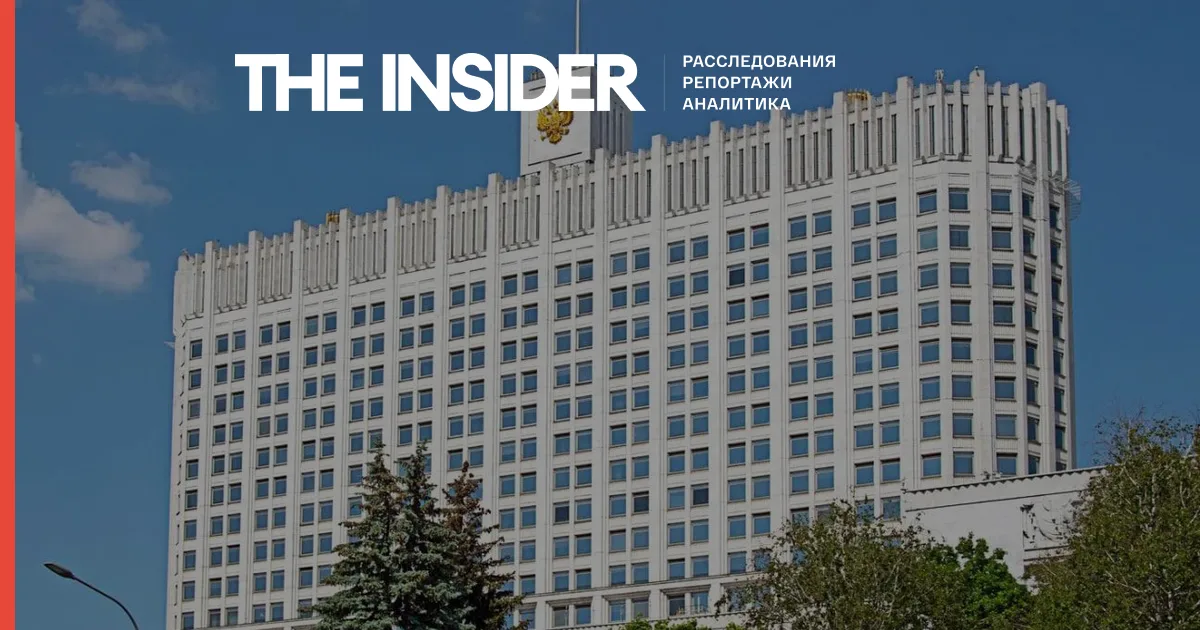
The rise. Reuters' Portuguese service reports that Russia raises military spending by 27% for 2027, and cites budget documents. The Insider, which credits Reuters, puts the rise at 32% on the 2026 budget and gives a total of 17.1 trillion roubles.
| Reuters | The Insider (citing Reuters) | |
|---|---|---|
| Rise | 27% | 32% |
| Measured against | not stated | "the 2026 budget" |
| Rouble total | not given | 17.1 trillion |
| Cited source | budget documents | Reuters |
What we hold. Both reports are headlines only. The Insider's figures come from Reuters, so these are not two independent sources. They look like two readings of one set of documents.
Who bears it. The share of the budget that goes to the war sets what is left for pensions, public wages and the regions. Neither report says what happens to those lines.
What is not settled - Whether "military spending" means the defence line alone or defence plus security. That choice alone could explain the gap. - Whether the 2026 baseline is the budget as first passed or as later amended. - Whether either percentage is nominal or adjusted for inflation. Neither report says. - The 17.1 trillion rouble figure appears only in The Insider, which credits Reuters for it. The Reuters report we hold gives no rouble amount.
What this is about. Russia's government has drafted its budget for 2027, and more of it is going to the military.
How it got here. Russia annexed Crimea from Ukraine in 2014 and backed armed separatists in Ukraine's east. In February 2022 it launched a full-scale invasion of Ukraine. The war has gone on since. Western governments answered with sanctions on Russian banks, energy exports and state assets. Since the invasion, the Russian state has paid for the war mostly out of its federal budget, and military spending has grown as a share of it.
How a Russian budget is made. Each autumn the Finance Ministry drafts a federal budget covering the next three years. The government submits it to the State Duma, the lower house of parliament, and the deadline falls at the start of October. The Duma passes it and President Vladimir Putin signs it into law. Budgets are often amended during the year, so "the 2026 budget" can mean the version first passed or the revised one. Part of Russia's defence and security spending is classified, so outside readers see only part of it.
The actors. The Russian government and its Finance Ministry write the budget. The Duma approves it. Ukraine is the country the spending is aimed at. Russian households, pensioners, public-sector workers and regional governments are paid out of the same budget.
What is at stake. Money for the military is money not spent on pensions, wages, health or the regions, or money that has to be borrowed or raised in tax. The size of the rise also shows how long Moscow is planning to keep fighting.
Where it stands. The draft has been reported, not passed. The two reports we hold give different figures for the rise. Neither says exactly what it measures.
What is being argued about
- How much Russia's 2027 draft budget raises military spending: 27% or 32%
- What the 2026 baseline is: the budget as passed or as amended
- Whether 'military spending' covers defence alone or defence plus security
- What a bigger war budget leaves for pensions, wages and the regions
 Reuters
🇺🇸US ·
wire · independent
 Rússia aumenta em 27% gastos militares para 2027, mostram documentos orçamentários
Open this report in The AI Times →
Read it at Reuters →
What we have measured
Actor named The attacker is the subject of an active verb for both the deaths and the damage ×1Actor named No actor named for who cancelled the flights ×1Agreement stated flat, source in a tail attribution moved after the dash ×1Announcement written as settled A social-media post becomes a future indicative: the conversion will happen ×1
Outlet profile in The AI Times →
T
The Insider
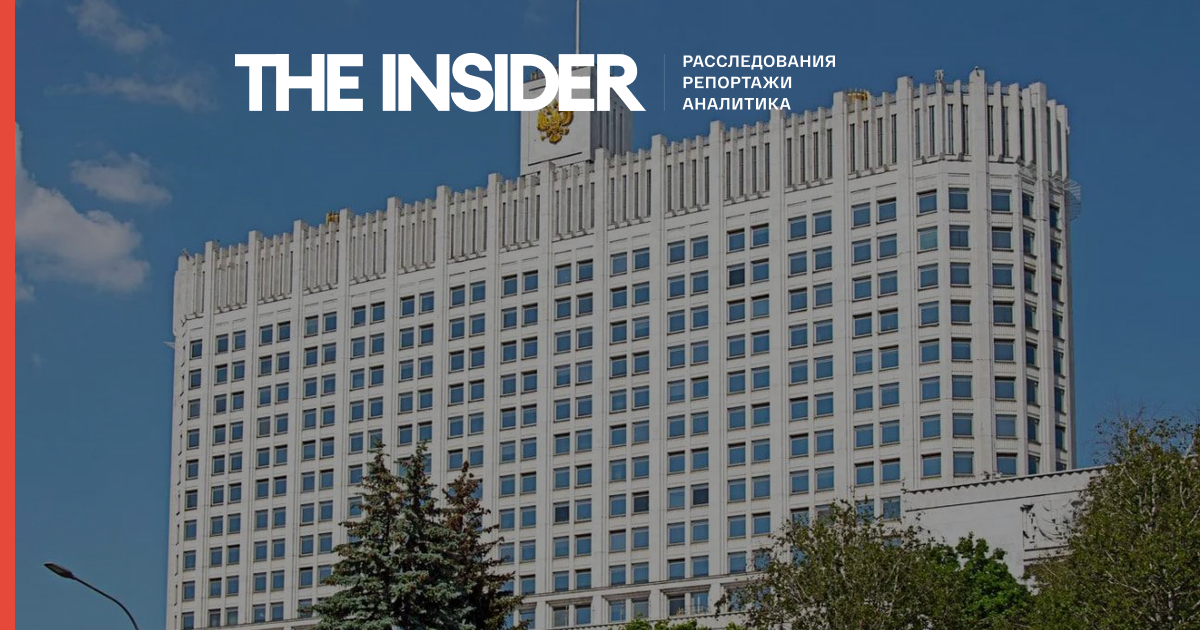 На военные расходы в 2027 году Россия закладывает 17,1 трлн рублей, они вырастут по сравнению с бюджетом на 2026 год на 32% — Reuters
Open this report in The AI Times →
Read it at The Insider →
What we have measured
Absolute figure The only report that gives the amount in roubles ×1Absolute figure given gives the total in roubles, which lets a reader check the percentage ×1A closed door exchange reported flat a refusal inside a private meeting is asserted in the headline with no source named in the text we hold ×1Actor named The headline names the president as the one who acted, and adds the plant's profit and the new manager's family tie ×1
Outlet profile in The AI Times →
| Outlet | What it said | Baseline named? | Source cited |
|---|---|---|---|
| Reuters | Military spending up 27% for 2027 | No | Budget documents |
| The Insider | 17.1 trillion roubles for 2027, up 32% on the 2026 budget | Yes: the 2026 budget | Reuters |
Reuters
Reuters
🇺🇸US ·
wire · independent
Rússia aumenta em 27% gastos militares para 2027, mostram documentos orçamentários
Open this report in The AI Times →
Read it at Reuters →
What we have measured
Actor named The attacker is the subject of an active verb for both the deaths and the damage ×1Actor named No actor named for who cancelled the flights ×1Agreement stated flat, source in a tail attribution moved after the dash ×1Announcement written as settled A social-media post becomes a future indicative: the conversion will happen ×1
Outlet profile in The AI Times →
T
The Insider
На военные расходы в 2027 году Россия закладывает 17,1 трлн рублей, они вырастут по сравнению с бюджетом на 2026 год на 32% — Reuters
Open this report in The AI Times →
Read it at The Insider →
What we have measured
Absolute figure The only report that gives the amount in roubles ×1Absolute figure given gives the total in roubles, which lets a reader check the percentage ×1A closed door exchange reported flat a refusal inside a private meeting is asserted in the headline with no source named in the text we hold ×1Actor named The headline names the president as the one who acted, and adds the plant's profit and the new manager's family tie ×1
Outlet profile in The AI Times →
Two percentages, one baseline named
One report says 27% and the other says 32%. Only the report giving 32% says what it is measured against: the 2026 budget. Neither says whether the figures are nominal or adjusted for inflation, and that could explain the gap.
Reuters
Reuters
🇺🇸US ·
wire · independent
Rússia aumenta em 27% gastos militares para 2027, mostram documentos orçamentários
Open this report in The AI Times →
Read it at Reuters →
What we have measured
Actor named The attacker is the subject of an active verb for both the deaths and the damage ×1Actor named No actor named for who cancelled the flights ×1Agreement stated flat, source in a tail attribution moved after the dash ×1Announcement written as settled A social-media post becomes a future indicative: the conversion will happen ×1
Outlet profile in The AI Times →
T
The Insider
На военные расходы в 2027 году Россия закладывает 17,1 трлн рублей, они вырастут по сравнению с бюджетом на 2026 год на 32% — Reuters
Open this report in The AI Times →
Read it at The Insider →
What we have measured
Absolute figure The only report that gives the amount in roubles ×1Absolute figure given gives the total in roubles, which lets a reader check the percentage ×1A closed door exchange reported flat a refusal inside a private meeting is asserted in the headline with no source named in the text we hold ×1Actor named The headline names the president as the one who acted, and adds the plant's profit and the new manager's family tie ×1
Outlet profile in The AI Times →
Claims and verdicts
No claims registered.
Who wrote it
Coverage, outlet by outlet
Reuters
Reuters
🇺🇸US ·
wire · independent
Rússia aumenta em 27% gastos militares para 2027, mostram documentos orçamentários
Open this report in The AI Times →
Read it at Reuters →
What we have measured
Actor named The attacker is the subject of an active verb for both the deaths and the damage ×1Actor named No actor named for who cancelled the flights ×1Agreement stated flat, source in a tail attribution moved after the dash ×1Announcement written as settled A social-media post becomes a future indicative: the conversion will happen ×1
Outlet profile in The AI Times →
— independent
На военные расходы в 2027 году Россия закладывает 17,1 трлн рублей, они вырастут по сравнению с бюджетом на 2026 год на 32% — Reuters
Open this report in The AI Times →
Read it at The Insider →
What we have measured
Absolute figure The only report that gives the amount in roubles ×1Absolute figure given gives the total in roubles, which lets a reader check the percentage ×1A closed door exchange reported flat a refusal inside a private meeting is asserted in the headline with no source named in the text we hold ×1Actor named The headline names the president as the one who acted, and adds the plant's profit and the new manager's family tie ×1
Outlet profile in The AI Times →
— exile