Saudi Arabia says the Houthis "tried" to hit Riyadh; the Houthis say they struck "sensitive sites"
Nine reports on one weekend, and none of them establishes what landed. In Washington, the Examiner has Trump saying the Houthis agreed not to fight the US; Reuters' headline has Iran and the US trading threats.
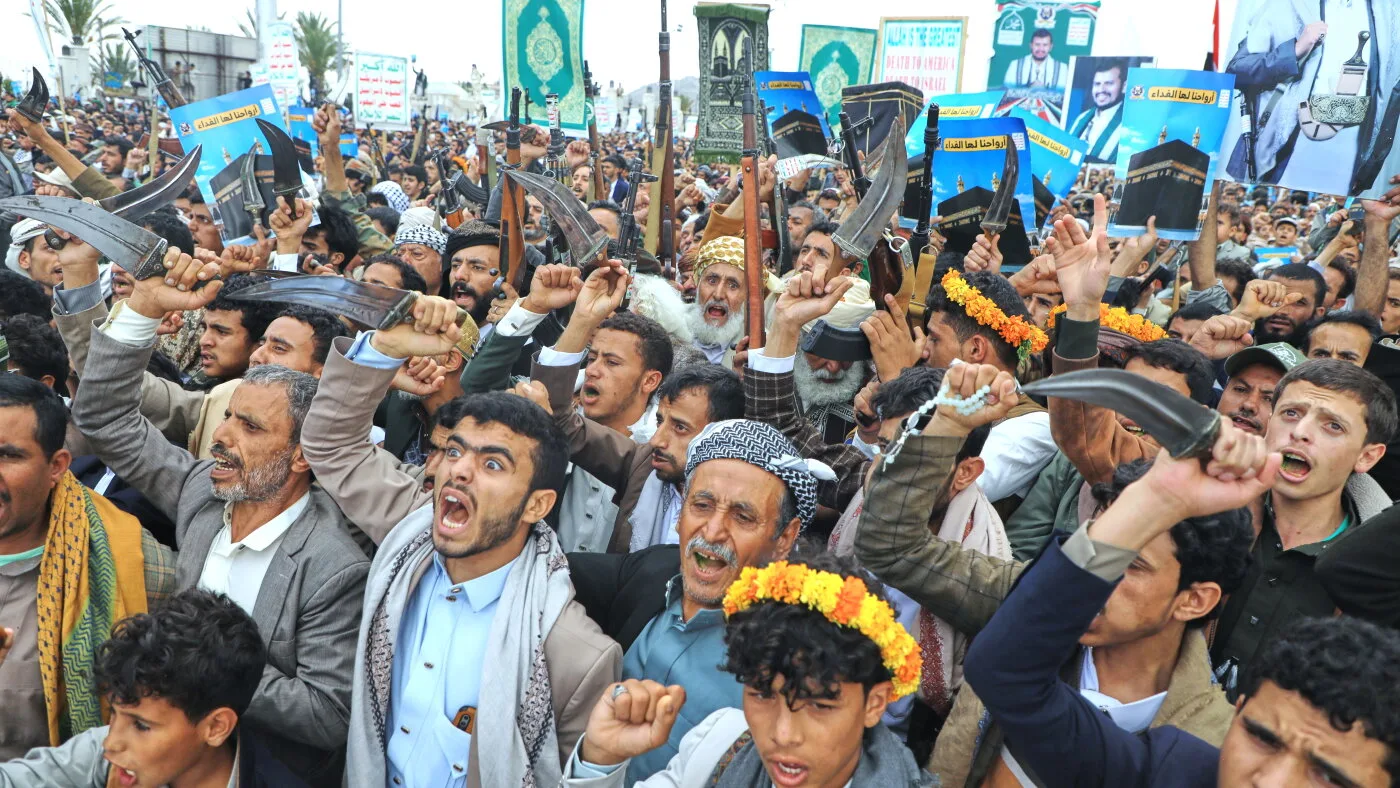
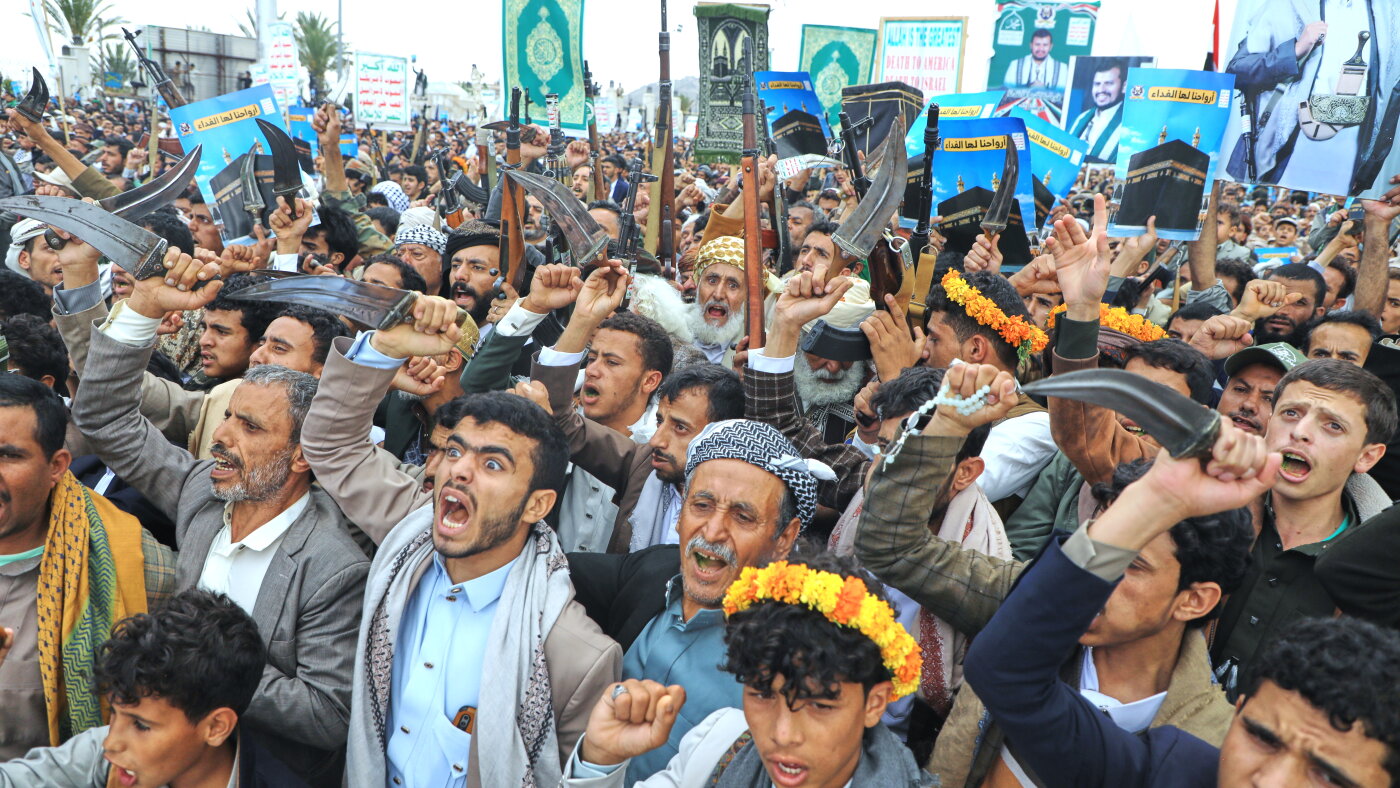
The weekend. Saudi Arabia said on Saturday that Yemen's Houthi rebels "tried to attack Riyadh with a ballistic missile", NPR carried. The Houthis said they had fired "a wave of missiles and drones" at the capital and at Saudi oil facilities, the New York Times carried. Nothing we hold establishes what, if anything, was hit.
| Outlet | What it said about the missiles |
|---|---|
| NPR | Saudi Arabia says the Houthis "tried to attack Riyadh with a ballistic missile" |
| The Washington Post | Houthis "claim attacks on 'sensitive sites'"; video shows "a large plume of black smoke" near Riyadh's airport |
| The New York Times | "Reported Explosions Put Saudi Capital on Edge" |
Washington. The Washington Examiner says President Donald Trump "dispelled rumors" that the United States was going to attack the Houthis in Yemen, "saying they'd agreed not to fight the U.S.", while he weighs "whether to resume intensive operations against Iran". Reuters' headline, the only line of it we could fetch, has Iran and the US "trade threats". Fox News has Ambassador Mike Waltz saying Trump will press Gulf leaders to enforce Iran sanctions at the UN. CNBC's headline has the US urging Americans to reconsider Middle East travel.
Not settled. Whether anything landed. Whether anyone was hurt: no report we hold gives a casualty figure from Riyadh, or names anyone. Whether the Houthis agreed not to fight the US: one report carries it, as the president's assertion, not as a Houthi quote. And whether the capital has been hit before in this fighting: only Saudi Arabia says not.
What this is about. Whether missiles fired from Yemen reached Saudi Arabia's capital over the weekend, and whether the United States joins the fight against the people who fired them.
How it got here. Yemen has been at war since 2014, when the Houthi movement seized the capital, Sanaa, and forced out the internationally recognised government. In March 2015 a military coalition led by Saudi Arabia intervened on that government's side, and the fighting has continued ever since. The Houthis have long fired missiles and drones across the border at Saudi cities and at the oil installations the kingdom's economy rests on. Iran's long-standing support for the Houthis is why the outlets here name it in their first sentences: the New York Times calls them "an Iranian-backed militia". None of the reports we hold sets out what that support consists of. The reports place all of this inside a wider conflict they call the Iran war, and NPR writes that the escalation between the Houthis and Saudi Arabia "opened a new front" in it. We hold nothing setting out how that wider war began.
Who is in it. The Houthis, who hold much of northern Yemen and are still fighting on the ground there — on Sunday, the New York Times says, against "Saudi-backed government forces". Saudi Arabia, a monarchy whose capital is Riyadh and whose oil exports are being choked off, in the Washington Post's phrase. The United States, Riyadh's long-standing arms supplier and security partner, whose president is publicly weighing strikes. Iran, named by these outlets as the Houthis' sponsor.
What is at stake. The Washington Post puts it in its own voice: "Riyadh is paying a steep price for the Iran war. Help from Washington remains circumscribed." If Washington strikes Yemen, it opens a second front of its own. If it does not, Saudi Arabia absorbs the attacks alone.
Where it stands. Riyadh says the missiles were tried. The Houthis say they hit. Washington says it is deciding.
What is being argued about
- Whether Houthi missiles reached the ground in Riyadh, or were stopped short
- Whether the United States will strike the Houthis in Yemen
- Who gets named by their foreign backer, and who does not
- What none of the reports carries: a casualty figure, and a Houthi voice
| Outlet | What it said | Hedged? |
|---|---|---|
| NPR | Saudi Arabia said the Houthis "tried to attack Riyadh with a ballistic missile" | Yes — attributed to Saudi Arabia, and an attempt rather than a hit |
| The Washington Post | Houthis claim attacks on "sensitive sites"; "Video footage showed a large plume of black smoke rising from an area near Riyadh's international airport." | Split — the claim is hedged in the headline, the smoke is stated flat |
| The New York Times | "Reported Explosions Put Saudi Capital on Edge"; the Houthis "said they had fired a wave of missiles and drones at Riyadh, and on Saudi oil facilities" | Yes — even the explosions are marked as reported |
| Washington Examiner | Trump "dispelled rumors that the United States was going to attack the Houthis in Yemen, saying they'd agreed not to fight the U.S." | No — "dispelled" treats the president's account as settled |
| Reuters | "Iran and US trade threats after Houthi attacks escalate regional conflict" | Symmetric — threats on both sides, and no actor attached to the escalation |
 Saudi Arabia says Houthis tried to attack its capital
Open this report in The AI Times →
Read it at NPR →
What we have measured
Asserted, not attributed that the system wrongly flagged citizens is stated flat, with no source named for it ×1Asserted versus attributed public disbelief stated as established, with nothing cited that measured it ×1Asserted versus attributed Past threats of force are stated flat, as background ×1Asymmetric labelling one side tagged by its patron, the other not ×1
Outlet profile in The AI Times →
T
The Washington Post
 Houthis claim attacks on ‘sensitive sites’ in Saudi Arabian capital
Open this report in The AI Times →
Read it at The Washington Post →
What we have measured
Accused's denial carried the only report carrying the Marine's side ×1Actor named via accusation the administration is named as acting, through the ranchers' charge; the price rise is stated flat ×1Asserted, not attributed a shift of power to Iran stated flat in the headline ×1Asserted or attributed the headline states as data what the body shows the chair selecting in a speech ×1
Outlet profile in The AI Times →
 The New York Times
🇺🇸US ·
newspaper · independent
 Reported Explosions Put Saudi Capital on Edge Amid Conflict With Houthis
Open this report in The AI Times →
Read it at The New York Times →
What we have measured
Active and passive voice the ship is 'targeted' with no actor, one sentence before a named actor is given for the Saudi attack ×1Active vs passive voice Pike is named as the killer in the active voice; the botched execution has no actor named ×1Actor label Names the shooter by its backer, not by its own name. ×1Actor named Names the official and what the process did to Pike. ×1
Outlet profile in The AI Times →
 Washington Examiner
🇺🇸US ·
newspaper · independent
 Trump says Houthis agreed not to fight US, weighs ‘wiping out’ Iran: Report
Open this report in The AI Times →
Read it at Washington Examiner →
What we have measured
Accusation printed unanswered a named candidate is accused of responsibility for murders, with no response carried ×1Accused named Names one accused student, citing the lawsuit; no other report we hold names any of the accused ×1Accused named Names each person charged and gives their nationality. None of the defendants is quoted. ×1Accused named Names one accused student from the civil filing and attributes the claim to the lawsuit ×1
Outlet profile in The AI Times →
 Reuters
🇺🇸US ·
wire · independent
 Iran warns against new escalation by US and allies
Open this report in The AI Times →
Read it at Reuters →
What we have measured
Actor named The attacker is the subject of an active verb for both the deaths and the damage ×1Actor named No actor named for who cancelled the flights ×1Agreement stated flat, source in a tail attribution moved after the dash ×1Announcement written as settled A social-media post becomes a future indicative: the conversion will happen ×1
Outlet profile in The AI Times →
- Sat 19 Sep10:09 time published, UTC The Washington Post sets out the cost to Riyadh before the weekend's attacks"Help from Washington remains circumscribed."
- Sat 19 Sep13:36 time published, UTC The New York Times carries the Houthi claim of missiles and drones, and hedges the explosions"Reported Explosions Put Saudi Capital on Edge"
- Sat 19 Sep20:32 time published, UTC The Houthis, via The Washington Post claim attacks on "sensitive sites" in the Saudi capitalvideo of black smoke near Riyadh's international airport
- Sun 20 Sep03:57 time published, UTC Saudi Arabia, via NPR says the Houthis tried to attack Riyadh with a ballistic missile"the first time the Saudi capital has been targeted" since the escalation
- Sun 20 Sep13:14 time published, UTC CNBC the US urges Americans to reconsider Middle East travel
- Sun 20 Sep13:24 time published, UTC Reuters Iran and the US trade threatsheadline only — we could not fetch the body
- Sun 20 Sep15:01 time published, UTC Mike Waltz, via Fox News says Trump will push Gulf leaders to enforce Iran sanctions at the UN"warning of consequences for noncompliance"
- Sun 20 Sep15:48 time published, UTC Donald Trump, via Washington Examiner says the Houthis agreed not to fight the USrelayed from another outlet's reporting
- Sun 20 Sep16:10 time published, UTC The New York Times puts the Houthis in "fierce battles with Saudi-backed government forces" in Yemen
As attacks choke off Saudi oil, kingdom confronts limits of Trump’s friendship
Open this report in The AI Times →
Read it at The Washington Post →
What we have measured
Accused's denial carried the only report carrying the Marine's side ×1Actor named via accusation the administration is named as acting, through the ranchers' charge; the price rise is stated flat ×1Asserted, not attributed a shift of power to Iran stated flat in the headline ×1Asserted or attributed the headline states as data what the body shows the chair selecting in a speech ×1
Outlet profile in The AI Times →
The New York Times
The New York Times
🇺🇸US ·
newspaper · independent
Reported Explosions Put Saudi Capital on Edge Amid Conflict With Houthis
Open this report in The AI Times →
Read it at The New York Times →
What we have measured
Active and passive voice the ship is 'targeted' with no actor, one sentence before a named actor is given for the Saudi attack ×1Active vs passive voice Pike is named as the killer in the active voice; the botched execution has no actor named ×1Actor label Names the shooter by its backer, not by its own name. ×1Actor named Names the official and what the process did to Pike. ×1
Outlet profile in The AI Times →
T
The Washington Post
Houthis claim attacks on ‘sensitive sites’ in Saudi Arabian capital
Open this report in The AI Times →
Read it at The Washington Post →
What we have measured
Accused's denial carried the only report carrying the Marine's side ×1Actor named via accusation the administration is named as acting, through the ranchers' charge; the price rise is stated flat ×1Asserted, not attributed a shift of power to Iran stated flat in the headline ×1Asserted or attributed the headline states as data what the body shows the chair selecting in a speech ×1
Outlet profile in The AI Times →
N
NPR
Saudi Arabia says Houthis tried to attack its capital
Open this report in The AI Times →
Read it at NPR →
What we have measured
Asserted, not attributed that the system wrongly flagged citizens is stated flat, with no source named for it ×1Asserted versus attributed public disbelief stated as established, with nothing cited that measured it ×1Asserted versus attributed Past threats of force are stated flat, as background ×1Asymmetric labelling one side tagged by its patron, the other not ×1
Outlet profile in The AI Times →
 CNBC
CNBC
🇺🇸US ·
TV/radio · independent
 U.S. urges Americans to reconsider Middle East travel as Iran tensions rise
Open this report in The AI Times →
Read it at CNBC →
What we have measured
Accepted term 'refund' used without quotation marks ×1Asserted versus attributed gives the motive as fact, not as Trump's stated reason ×1Attackers named as proxies the attackers are named only through their backer, Iran ×1Attacks named but not counted The report names the attackers. 'Escalating' comes with no count of attacks or damage. ×1
Outlet profile in The AI Times →
Reuters
Reuters
🇺🇸US ·
wire · independent
Iran warns against new escalation by US and allies
Open this report in The AI Times →
Read it at Reuters →
What we have measured
Actor named The attacker is the subject of an active verb for both the deaths and the damage ×1Actor named No actor named for who cancelled the flights ×1Agreement stated flat, source in a tail attribution moved after the dash ×1Announcement written as settled A social-media post becomes a future indicative: the conversion will happen ×1
Outlet profile in The AI Times →
 Fox News
🇺🇸US ·
TV/radio · independent
 Waltz delivers blunt warning to nations defying Iran sanctions, touts Greenland deal
Open this report in The AI Times →
Read it at Fox News →
What we have measured
Accused named Names one former fraternity member through his lawyer's denial. The woman is anonymous by her own choice. ×1Actor in headline The headline names Trump as the one acting. The body names only Anduril. ×1A number, with no people named The only report that gives a figure counts the journalists whose communications were swept up. It names none of them. ×1Asserted, not attributed stated flat: past court defeats are asserted with no case, judge or date named ×1
Outlet profile in The AI Times →
Washington Examiner
Washington Examiner
🇺🇸US ·
newspaper · independent
Trump says Houthis agreed not to fight US, weighs ‘wiping out’ Iran: Report
Open this report in The AI Times →
Read it at Washington Examiner →
What we have measured
Accusation printed unanswered a named candidate is accused of responsibility for murders, with no response carried ×1Accused named Names one accused student, citing the lawsuit; no other report we hold names any of the accused ×1Accused named Names each person charged and gives their nationality. None of the defendants is quoted. ×1Accused named Names one accused student from the civil filing and attributes the claim to the lawsuit ×1
Outlet profile in The AI Times →
The New York Times
The New York Times
🇺🇸US ·
newspaper · independent
Houthis Push to Expand Territory as Tensions With Saudi Arabia Rise
Open this report in The AI Times →
Read it at The New York Times →
What we have measured
Active and passive voice the ship is 'targeted' with no actor, one sentence before a named actor is given for the Saudi attack ×1Active vs passive voice Pike is named as the killer in the active voice; the botched execution has no actor named ×1Actor label Names the shooter by its backer, not by its own name. ×1Actor named Names the official and what the process did to Pike. ×1
Outlet profile in The AI Times →
Saudi Arabia says Houthis tried to attack its capital
Open this report in The AI Times →
Read it at NPR →
What we have measured
Asserted, not attributed that the system wrongly flagged citizens is stated flat, with no source named for it ×1Asserted versus attributed public disbelief stated as established, with nothing cited that measured it ×1Asserted versus attributed Past threats of force are stated flat, as background ×1Asymmetric labelling one side tagged by its patron, the other not ×1
Outlet profile in The AI Times →
T
The Washington Post
Houthis claim attacks on ‘sensitive sites’ in Saudi Arabian capital
Open this report in The AI Times →
Read it at The Washington Post →
What we have measured
Accused's denial carried the only report carrying the Marine's side ×1Actor named via accusation the administration is named as acting, through the ranchers' charge; the price rise is stated flat ×1Asserted, not attributed a shift of power to Iran stated flat in the headline ×1Asserted or attributed the headline states as data what the body shows the chair selecting in a speech ×1
Outlet profile in The AI Times →
The New York Times
The New York Times
🇺🇸US ·
newspaper · independent
Reported Explosions Put Saudi Capital on Edge Amid Conflict With Houthis
Open this report in The AI Times →
Read it at The New York Times →
What we have measured
Active and passive voice the ship is 'targeted' with no actor, one sentence before a named actor is given for the Saudi attack ×1Active vs passive voice Pike is named as the killer in the active voice; the botched execution has no actor named ×1Actor label Names the shooter by its backer, not by its own name. ×1Actor named Names the official and what the process did to Pike. ×1
Outlet profile in The AI Times →
T
The Washington Post
As attacks choke off Saudi oil, kingdom confronts limits of Trump’s friendship
Open this report in The AI Times →
Read it at The Washington Post →
What we have measured
Accused's denial carried the only report carrying the Marine's side ×1Actor named via accusation the administration is named as acting, through the ranchers' charge; the price rise is stated flat ×1Asserted, not attributed a shift of power to Iran stated flat in the headline ×1Asserted or attributed the headline states as data what the body shows the chair selecting in a speech ×1
Outlet profile in The AI Times →
The New York Times
The New York Times
🇺🇸US ·
newspaper · independent
Houthis Push to Expand Territory as Tensions With Saudi Arabia Rise
Open this report in The AI Times →
Read it at The New York Times →
What we have measured
Active and passive voice the ship is 'targeted' with no actor, one sentence before a named actor is given for the Saudi attack ×1Active vs passive voice Pike is named as the killer in the active voice; the botched execution has no actor named ×1Actor label Names the shooter by its backer, not by its own name. ×1Actor named Names the official and what the process did to Pike. ×1
Outlet profile in The AI Times →
Washington Examiner
Washington Examiner
🇺🇸US ·
newspaper · independent
Trump says Houthis agreed not to fight US, weighs ‘wiping out’ Iran: Report
Open this report in The AI Times →
Read it at Washington Examiner →
What we have measured
Accusation printed unanswered a named candidate is accused of responsibility for murders, with no response carried ×1Accused named Names one accused student, citing the lawsuit; no other report we hold names any of the accused ×1Accused named Names each person charged and gives their nationality. None of the defendants is quoted. ×1Accused named Names one accused student from the civil filing and attributes the claim to the lawsuit ×1
Outlet profile in The AI Times →
Reuters
Reuters
🇺🇸US ·
wire · independent
Iran warns against new escalation by US and allies
Open this report in The AI Times →
Read it at Reuters →
What we have measured
Actor named The attacker is the subject of an active verb for both the deaths and the damage ×1Actor named No actor named for who cancelled the flights ×1Agreement stated flat, source in a tail attribution moved after the dash ×1Announcement written as settled A social-media post becomes a future indicative: the conversion will happen ×1
Outlet profile in The AI Times →
Fox News
Fox News
🇺🇸US ·
TV/radio · independent
Waltz delivers blunt warning to nations defying Iran sanctions, touts Greenland deal
Open this report in The AI Times →
Read it at Fox News →
What we have measured
Accused named Names one former fraternity member through his lawyer's denial. The woman is anonymous by her own choice. ×1Actor in headline The headline names Trump as the one acting. The body names only Anduril. ×1A number, with no people named The only report that gives a figure counts the journalists whose communications were swept up. It names none of them. ×1Asserted, not attributed stated flat: past court defeats are asserted with no case, judge or date named ×1
Outlet profile in The AI Times →
CNBC
CNBC
🇺🇸US ·
TV/radio · independent
U.S. urges Americans to reconsider Middle East travel as Iran tensions rise
Open this report in The AI Times →
Read it at CNBC →
What we have measured
Accepted term 'refund' used without quotation marks ×1Asserted versus attributed gives the motive as fact, not as Trump's stated reason ×1Attackers named as proxies the attackers are named only through their backer, Iran ×1Attacks named but not counted The report names the attackers. 'Escalating' comes with no count of attacks or damage. ×1
Outlet profile in The AI Times →
Tried, or landed
One report says the missiles were tried, sourced to Riyadh; another says the Houthis claim they hit sensitive sites, then describes black smoke near the airport as established. A third hedges even the explosions as reported. No report we hold gives a casualty figure, and none quotes a named person in Riyadh.
Who gets a sponsor named
Three reports attach Iran to the Houthis as a standing descriptor; one of those also names the other side as Saudi-backed, so the label runs both ways there. The two reports built on American officials carry long quoted passages from Washington, while the Yemeni and Saudi sides appear only in paraphrase. What the missiles hit, if anything, is not established in any report we hold.
Saudi Arabia says Houthis tried to attack its capital
Open this report in The AI Times →
Read it at NPR →
What we have measured
Asserted, not attributed that the system wrongly flagged citizens is stated flat, with no source named for it ×1Asserted versus attributed public disbelief stated as established, with nothing cited that measured it ×1Asserted versus attributed Past threats of force are stated flat, as background ×1Asymmetric labelling one side tagged by its patron, the other not ×1
Outlet profile in The AI Times →
T
The Washington Post
Houthis claim attacks on ‘sensitive sites’ in Saudi Arabian capital
Open this report in The AI Times →
Read it at The Washington Post →
What we have measured
Accused's denial carried the only report carrying the Marine's side ×1Actor named via accusation the administration is named as acting, through the ranchers' charge; the price rise is stated flat ×1Asserted, not attributed a shift of power to Iran stated flat in the headline ×1Asserted or attributed the headline states as data what the body shows the chair selecting in a speech ×1
Outlet profile in The AI Times →
The New York Times
The New York Times
🇺🇸US ·
newspaper · independent
Reported Explosions Put Saudi Capital on Edge Amid Conflict With Houthis
Open this report in The AI Times →
Read it at The New York Times →
What we have measured
Active and passive voice the ship is 'targeted' with no actor, one sentence before a named actor is given for the Saudi attack ×1Active vs passive voice Pike is named as the killer in the active voice; the botched execution has no actor named ×1Actor label Names the shooter by its backer, not by its own name. ×1Actor named Names the official and what the process did to Pike. ×1
Outlet profile in The AI Times →
T
The Washington Post
As attacks choke off Saudi oil, kingdom confronts limits of Trump’s friendship
Open this report in The AI Times →
Read it at The Washington Post →
What we have measured
Accused's denial carried the only report carrying the Marine's side ×1Actor named via accusation the administration is named as acting, through the ranchers' charge; the price rise is stated flat ×1Asserted, not attributed a shift of power to Iran stated flat in the headline ×1Asserted or attributed the headline states as data what the body shows the chair selecting in a speech ×1
Outlet profile in The AI Times →
The New York Times
The New York Times
🇺🇸US ·
newspaper · independent
Houthis Push to Expand Territory as Tensions With Saudi Arabia Rise
Open this report in The AI Times →
Read it at The New York Times →
What we have measured
Active and passive voice the ship is 'targeted' with no actor, one sentence before a named actor is given for the Saudi attack ×1Active vs passive voice Pike is named as the killer in the active voice; the botched execution has no actor named ×1Actor label Names the shooter by its backer, not by its own name. ×1Actor named Names the official and what the process did to Pike. ×1
Outlet profile in The AI Times →
Washington Examiner
Washington Examiner
🇺🇸US ·
newspaper · independent
Trump says Houthis agreed not to fight US, weighs ‘wiping out’ Iran: Report
Open this report in The AI Times →
Read it at Washington Examiner →
What we have measured
Accusation printed unanswered a named candidate is accused of responsibility for murders, with no response carried ×1Accused named Names one accused student, citing the lawsuit; no other report we hold names any of the accused ×1Accused named Names each person charged and gives their nationality. None of the defendants is quoted. ×1Accused named Names one accused student from the civil filing and attributes the claim to the lawsuit ×1
Outlet profile in The AI Times →
Reuters
Reuters
🇺🇸US ·
wire · independent
Iran warns against new escalation by US and allies
Open this report in The AI Times →
Read it at Reuters →
What we have measured
Actor named The attacker is the subject of an active verb for both the deaths and the damage ×1Actor named No actor named for who cancelled the flights ×1Agreement stated flat, source in a tail attribution moved after the dash ×1Announcement written as settled A social-media post becomes a future indicative: the conversion will happen ×1
Outlet profile in The AI Times →
Fox News
Fox News
🇺🇸US ·
TV/radio · independent
Waltz delivers blunt warning to nations defying Iran sanctions, touts Greenland deal
Open this report in The AI Times →
Read it at Fox News →
What we have measured
Accused named Names one former fraternity member through his lawyer's denial. The woman is anonymous by her own choice. ×1Actor in headline The headline names Trump as the one acting. The body names only Anduril. ×1A number, with no people named The only report that gives a figure counts the journalists whose communications were swept up. It names none of them. ×1Asserted, not attributed stated flat: past court defeats are asserted with no case, judge or date named ×1
Outlet profile in The AI Times →
CNBC
CNBC
🇺🇸US ·
TV/radio · independent
U.S. urges Americans to reconsider Middle East travel as Iran tensions rise
Open this report in The AI Times →
Read it at CNBC →
What we have measured
Accepted term 'refund' used without quotation marks ×1Asserted versus attributed gives the motive as fact, not as Trump's stated reason ×1Attackers named as proxies the attackers are named only through their backer, Iran ×1Attacks named but not counted The report names the attackers. 'Escalating' comes with no count of attacks or damage. ×1
Outlet profile in The AI Times →
Claims and verdicts
Saudi Arabia says Houthis tried to attack its capital
Open this report in The AI Times →
Read it at NPR →
What we have measured
Asserted, not attributed that the system wrongly flagged citizens is stated flat, with no source named for it ×1Asserted versus attributed public disbelief stated as established, with nothing cited that measured it ×1Asserted versus attributed Past threats of force are stated flat, as background ×1Asymmetric labelling one side tagged by its patron, the other not ×1
Outlet profile in The AI Times →
T
The Washington Post
Houthis claim attacks on ‘sensitive sites’ in Saudi Arabian capital
Open this report in The AI Times →
Read it at The Washington Post →
What we have measured
Accused's denial carried the only report carrying the Marine's side ×1Actor named via accusation the administration is named as acting, through the ranchers' charge; the price rise is stated flat ×1Asserted, not attributed a shift of power to Iran stated flat in the headline ×1Asserted or attributed the headline states as data what the body shows the chair selecting in a speech ×1
Outlet profile in The AI Times →
The New York Times
The New York Times
🇺🇸US ·
newspaper · independent
Reported Explosions Put Saudi Capital on Edge Amid Conflict With Houthis
Open this report in The AI Times →
Read it at The New York Times →
What we have measured
Active and passive voice the ship is 'targeted' with no actor, one sentence before a named actor is given for the Saudi attack ×1Active vs passive voice Pike is named as the killer in the active voice; the botched execution has no actor named ×1Actor label Names the shooter by its backer, not by its own name. ×1Actor named Names the official and what the process did to Pike. ×1
Outlet profile in The AI Times →
Saudi Arabia says Houthis tried to attack its capital
Open this report in The AI Times →
Read it at NPR →
What we have measured
Asserted, not attributed that the system wrongly flagged citizens is stated flat, with no source named for it ×1Asserted versus attributed public disbelief stated as established, with nothing cited that measured it ×1Asserted versus attributed Past threats of force are stated flat, as background ×1Asymmetric labelling one side tagged by its patron, the other not ×1
Outlet profile in The AI Times →
Washington Examiner
Washington Examiner
🇺🇸US ·
newspaper · independent
Trump says Houthis agreed not to fight US, weighs ‘wiping out’ Iran: Report
Open this report in The AI Times →
Read it at Washington Examiner →
What we have measured
Accusation printed unanswered a named candidate is accused of responsibility for murders, with no response carried ×1Accused named Names one accused student, citing the lawsuit; no other report we hold names any of the accused ×1Accused named Names each person charged and gives their nationality. None of the defendants is quoted. ×1Accused named Names one accused student from the civil filing and attributes the claim to the lawsuit ×1
Outlet profile in The AI Times →
Reuters
Reuters
🇺🇸US ·
wire · independent
Iran warns against new escalation by US and allies
Open this report in The AI Times →
Read it at Reuters →
What we have measured
Actor named The attacker is the subject of an active verb for both the deaths and the damage ×1Actor named No actor named for who cancelled the flights ×1Agreement stated flat, source in a tail attribution moved after the dash ×1Announcement written as settled A social-media post becomes a future indicative: the conversion will happen ×1
Outlet profile in The AI Times →
Who wrote it
The New York Times · 2 reports on this story
Washington Examiner
Fox News
CNBC
The New York Times
Coverage, outlet by outlet
The New York Times
The New York Times
🇺🇸US ·
newspaper · independent
Houthis Push to Expand Territory as Tensions With Saudi Arabia Rise
Open this report in The AI Times →
Read it at The New York Times →
What we have measured
Active and passive voice the ship is 'targeted' with no actor, one sentence before a named actor is given for the Saudi attack ×1Active vs passive voice Pike is named as the killer in the active voice; the botched execution has no actor named ×1Actor label Names the shooter by its backer, not by its own name. ×1Actor named Names the official and what the process did to Pike. ×1
Outlet profile in The AI Times →
— independent
Washington Examiner
Washington Examiner
🇺🇸US ·
newspaper · independent
Trump says Houthis agreed not to fight US, weighs ‘wiping out’ Iran: Report
Open this report in The AI Times →
Read it at Washington Examiner →
What we have measured
Accusation printed unanswered a named candidate is accused of responsibility for murders, with no response carried ×1Accused named Names one accused student, citing the lawsuit; no other report we hold names any of the accused ×1Accused named Names each person charged and gives their nationality. None of the defendants is quoted. ×1Accused named Names one accused student from the civil filing and attributes the claim to the lawsuit ×1
Outlet profile in The AI Times →
— independent
Fox News
Fox News
🇺🇸US ·
TV/radio · independent
Waltz delivers blunt warning to nations defying Iran sanctions, touts Greenland deal
Open this report in The AI Times →
Read it at Fox News →
What we have measured
Accused named Names one former fraternity member through his lawyer's denial. The woman is anonymous by her own choice. ×1Actor in headline The headline names Trump as the one acting. The body names only Anduril. ×1A number, with no people named The only report that gives a figure counts the journalists whose communications were swept up. It names none of them. ×1Asserted, not attributed stated flat: past court defeats are asserted with no case, judge or date named ×1
Outlet profile in The AI Times →
— independent
Reuters
Reuters
🇺🇸US ·
wire · independent
Iran warns against new escalation by US and allies
Open this report in The AI Times →
Read it at Reuters →
What we have measured
Actor named The attacker is the subject of an active verb for both the deaths and the damage ×1Actor named No actor named for who cancelled the flights ×1Agreement stated flat, source in a tail attribution moved after the dash ×1Announcement written as settled A social-media post becomes a future indicative: the conversion will happen ×1
Outlet profile in The AI Times →
— independent
CNBC
CNBC
🇺🇸US ·
TV/radio · independent
U.S. urges Americans to reconsider Middle East travel as Iran tensions rise
Open this report in The AI Times →
Read it at CNBC →
What we have measured
Accepted term 'refund' used without quotation marks ×1Asserted versus attributed gives the motive as fact, not as Trump's stated reason ×1Attackers named as proxies the attackers are named only through their backer, Iran ×1Attacks named but not counted The report names the attackers. 'Escalating' comes with no count of attacks or damage. ×1
Outlet profile in The AI Times →
— independent
Saudi Arabia says Houthis tried to attack its capital
Open this report in The AI Times →
Read it at NPR →
What we have measured
Asserted, not attributed that the system wrongly flagged citizens is stated flat, with no source named for it ×1Asserted versus attributed public disbelief stated as established, with nothing cited that measured it ×1Asserted versus attributed Past threats of force are stated flat, as background ×1Asymmetric labelling one side tagged by its patron, the other not ×1
Outlet profile in The AI Times →
— independent
Houthis claim attacks on ‘sensitive sites’ in Saudi Arabian capital
Open this report in The AI Times →
Read it at The Washington Post →
What we have measured
Accused's denial carried the only report carrying the Marine's side ×1Actor named via accusation the administration is named as acting, through the ranchers' charge; the price rise is stated flat ×1Asserted, not attributed a shift of power to Iran stated flat in the headline ×1Asserted or attributed the headline states as data what the body shows the chair selecting in a speech ×1
Outlet profile in The AI Times →
— independent
The New York Times
The New York Times
🇺🇸US ·
newspaper · independent
Reported Explosions Put Saudi Capital on Edge Amid Conflict With Houthis
Open this report in The AI Times →
Read it at The New York Times →
What we have measured
Active and passive voice the ship is 'targeted' with no actor, one sentence before a named actor is given for the Saudi attack ×1Active vs passive voice Pike is named as the killer in the active voice; the botched execution has no actor named ×1Actor label Names the shooter by its backer, not by its own name. ×1Actor named Names the official and what the process did to Pike. ×1
Outlet profile in The AI Times →
— independent
As attacks choke off Saudi oil, kingdom confronts limits of Trump’s friendship
Open this report in The AI Times →
Read it at The Washington Post →
What we have measured
Accused's denial carried the only report carrying the Marine's side ×1Actor named via accusation the administration is named as acting, through the ranchers' charge; the price rise is stated flat ×1Asserted, not attributed a shift of power to Iran stated flat in the headline ×1Asserted or attributed the headline states as data what the body shows the chair selecting in a speech ×1
Outlet profile in The AI Times →
— independent Mother Jones
🇺🇸US ·
magazine · independent
What we have measured
Asserted, not attributed 'ultra-gerrymandered' stated as fact ×1Asserted versus attributed 'Cover-up' is asserted in the report's own voice, not attributed ×1Asserted versus attributed calls it a cover-up in its own voice ×1Assertion vs attribution describes the operation as a 'violent occupation' in its own voice, with no source for the phrase ×1
Outlet profile in The AI Times →
P
Politico
 Breitbart
🇺🇸US ·
digital · independent
What we have measured
Anyone hurt is counted, not named eight deaths given as a number only ×1Framing of motive The lede calls the denial a punishment and puts 'fake news' in quotation marks; the officials being sued are left unnamed ×1How the person shot is named a status, not a name: the only report that never uses either name calls him an illegal alien ×1How the place is described a party label attached to the city in the same clause as the casualty count ×1
Outlet profile in The AI Times →
 MSNBC
MSNBC
🇺🇸US ·
TV/radio · independent
What we have measured
Accuser not named The lede does not name the senator making the accusation ×1Actor named for the ban The White House is the subject of both verbs: it blocked journalists, then let CNN back in. ×1A first stated flat a never-before claim carried without a source attached ×1Asserted, not attributed absence of fraud evidence stated as fact ×1
Outlet profile in The AI Times →
 The Hill
🇺🇸US ·
digital · independent
What we have measured
Accusation attributed the word lying is placed in a named politician's mouth, not the outlet's ×1Actor named No actor named for who kept reporters out ×1Actor named No actor named for who let reporters back in ×1Actor named Names the state as the one that carried out the execution. ×1
Outlet profile in The AI Times →
 National Review
🇺🇸US ·
magazine · independent
What we have measured
Asserted not attributed Doubt about the allegation is stated flat, in the outlet's own voice ×1Asserted not attributed An argument about deterrence is stated as fact ×1Asserted versus attributed calls it an abuse of power in its own voice ×1Asserted versus attributed 'Abuse of presidential power' is stated flat ×1
Outlet profile in The AI Times →
 The Wall Street Journal
🇺🇸US ·
newspaper · independent
What we have measured
Outlet profile in The AI Times →
 Associated Press
🇺🇸US ·
wire · independent
What we have measured
Dating and attribution Dates the signing to Aug. 6, 2026 and writes ord ×1Dating and attribution Carries a dateline correction, repeated three ti ×1How hard the claim is stated Marks "birth tourism" as the administration's ow ×1How hard the claim is stated high ×1
Outlet profile in The AI Times →