Starlink station fire in Poland: Ukrinform reports "likely" Russian sabotage, Censor.NET leads with arson or a short circuit
A Starlink ground station burned in Poland's Masovian Voivodeship. Ukrinform, citing Poland's deputy prime minister, calls it likely Russian sabotage aimed at Ukraine's front line. Censor.NET says arson or a short circuit could have caused it, and that Polish authorities are checking it against the threat of Russian sabotage. Neither report carries a finding from investigators.

Two Ukrainian outlets, nine minutes apart, gave two accounts of one fire. Censor.NET published at 13:08 UTC. Ukrinform, Ukraine's state news agency, published at 13:17 UTC. We hold only the opening lines of each report.
| Ukrinform | Censor.NET | |
|---|---|---|
| Cause given first | Russian sabotage, "likely" | deliberate arson or a short circuit, "could have" |
| Who says so | Poland's deputy prime minister, in the headline only | no one named |
| Place of Russia | the probable culprit, aiming at the front | a threat Polish authorities are checking against |
Ukrinform says in its first line that the fire "was likely an act of sabotage by Russia aimed at depriving the Ukrainian military of internet access on the front line". That line names no speaker. The headline gives the charge to Poland's deputy prime minister and drops the "likely": "Russia tries to deprive Ukraine of internet access at front".
Censor.NET says arson or a short circuit "могли спричинити" (could have caused) the fire. Polish authorities also check it "на тлі загрози російських диверсій у Європі" (against the threat of Russian sabotage in Europe).
What is not settled - The cause. No report we hold carries a finding from investigators. - Who is investigating. Neither report names the body. - The damage. Neither says whether any service to Ukraine was cut. - Russia's answer. Neither carries a Russian response. - Polish sources. We hold no Polish or Russian report on the fire.
What this is about: a fire at a ground station for Starlink, the satellite internet service, in Poland, and whether Russia set it.
How it got here. Russia's war on Ukraine began in 2014 with the seizure of Crimea and fighting in the Donbas. The full-scale invasion began in February 2022. Within days of it, SpaceX, the American company that runs Starlink, began supplying terminals to Ukraine. Starlink became a mainstay of communications for Ukraine's armed forces, because it works where mobile networks and cables have been destroyed. Satellites relay traffic to ground stations, which connect it to the wider internet. A station that goes dark can weaken the service in the region it covers.
Poland borders Ukraine. It is a member of NATO and the EU, and the main route for Western military aid into Ukraine. Since 2024, Polish ministers have blamed Russian intelligence for a series of arson and sabotage attempts on Polish soil, including the fire that destroyed Warsaw's Marywilska shopping centre in May 2024. Russia has denied involvement. European governments call this pattern hybrid war: attacks below the level of open military force.
The actors. Poland's government is investigating a fire on its own territory. Ukraine depends on the service the station supports. Russia is the country Poland's deputy prime minister, as reported by Ukrinform, points to. SpaceX owns the network.
What is at stake. If investigators find sabotage, it would be an attack inside a NATO state on infrastructure serving Ukraine's army. That raises pressure for a Polish and allied response. If the cause is a short circuit, it is an industrial accident.
Where it stands. The two reports we hold disagree on how settled the cause is. Neither reports a finding.
What is being argued about
- Whether Russian sabotage caused the fire at a Starlink ground station in Poland
- Arson or a short circuit as the alternative causes
- How a headline turns a "likely" into a statement of Russian intent
- What the fire means for Ukraine's front-line communications
| Outlet | What it says caused the fire | Hedged? | Who says it |
|---|---|---|---|
| Ukrinform | "was likely an act of sabotage by Russia aimed at depriving the Ukrainian military of internet access on the front line" | "likely" in the first line; no hedge in the headline | Poland's deputy prime minister, in the headline only |
| Censor.NET | "навмисний підпал або коротке замикання" (deliberate arson or a short circuit); Russian sabotage as the backdrop to the checks | "могли спричинити" (could have caused) | no one named; "Польська влада" (Polish authorities) are checking |
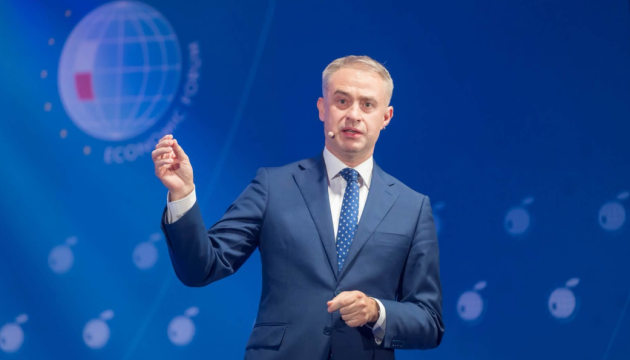 Polish Deputy PM on Starlink station fire: Russia tries to deprive Ukraine of internet access at front
Open this report in The AI Times →
Read it at Ukrinform →
What we have measured
Actor named names the occupying force ×1Actor named Names the occupying force but not what residents are fleeing from ×1Actor named No actor is named. The drone is not attributed to anyone. ×1Actor named Names the attacker and what was damaged, and states the halt flat without naming a source. ×1
Outlet profile in The AI Times →
C
Censor.NET
 Пожежа на станції Starlink у Польщі: розглядають версії підпалу, короткого замикання та диверсії РФ
Open this report in The AI Times →
Read it at Censor.NET →
What we have measured
Actor label Names the attacker as 'Russian occupation forces' ×1Actor label 'Occupiers' in the headline; 'Russian troops' in the body ×1Actor label The attacker is called 'the enemy', not named. ×1Actor label Calls the Russian president a dictator in the report's own voice. ×1
Outlet profile in The AI Times →
- 2026-09-24— no time published Starlink ground station, Masovian Voivodeship Fire at the ground stationNeither report says when it started.
- 2026-09-2413:08 UTC published time on the report Censor.NET Arson or a short circuit could have caused the fire; Polish authorities check it against the threat of Russian sabotageNo speaker named.
- 2026-09-2413:17 UTC published time on the report Ukrinform, citing Poland's deputy prime minister Fire was likely Russian sabotage aimed at cutting Ukraine's front-line internetHeadline: "Russia tries to deprive Ukraine of internet access at front".
Пожежа на станції Starlink у Польщі: розглядають версії підпалу, короткого замикання та диверсії РФ
Open this report in The AI Times →
Read it at Censor.NET →
What we have measured
Actor label Names the attacker as 'Russian occupation forces' ×1Actor label 'Occupiers' in the headline; 'Russian troops' in the body ×1Actor label The attacker is called 'the enemy', not named. ×1Actor label Calls the Russian president a dictator in the report's own voice. ×1
Outlet profile in The AI Times →
U
Ukrinform
Polish Deputy PM on Starlink station fire: Russia tries to deprive Ukraine of internet access at front
Open this report in The AI Times →
Read it at Ukrinform →
What we have measured
Actor named names the occupying force ×1Actor named Names the occupying force but not what residents are fleeing from ×1Actor named No actor is named. The drone is not attributed to anyone. ×1Actor named Names the attacker and what was damaged, and states the halt flat without naming a source. ×1
Outlet profile in The AI Times →
One fire, one cause or three
One report leads with Russian sabotage as the likely cause, and its headline takes that from Poland's deputy prime minister. The other lists arson, a short circuit and Russian sabotage as open possibilities and says Polish authorities are still checking. Neither report carries a Russian response or a finding from investigators.
Polish Deputy PM on Starlink station fire: Russia tries to deprive Ukraine of internet access at front
Open this report in The AI Times →
Read it at Ukrinform →
What we have measured
Actor named names the occupying force ×1Actor named Names the occupying force but not what residents are fleeing from ×1Actor named No actor is named. The drone is not attributed to anyone. ×1Actor named Names the attacker and what was damaged, and states the halt flat without naming a source. ×1
Outlet profile in The AI Times →
C
Censor.NET
Пожежа на станції Starlink у Польщі: розглядають версії підпалу, короткого замикання та диверсії РФ
Open this report in The AI Times →
Read it at Censor.NET →
What we have measured
Actor label Names the attacker as 'Russian occupation forces' ×1Actor label 'Occupiers' in the headline; 'Russian troops' in the body ×1Actor label The attacker is called 'the enemy', not named. ×1Actor label Calls the Russian president a dictator in the report's own voice. ×1
Outlet profile in The AI Times →
Claims and verdicts
Пожежа на станції Starlink у Польщі: розглядають версії підпалу, короткого замикання та диверсії РФ
Open this report in The AI Times →
Read it at Censor.NET →
What we have measured
Actor label Names the attacker as 'Russian occupation forces' ×1Actor label 'Occupiers' in the headline; 'Russian troops' in the body ×1Actor label The attacker is called 'the enemy', not named. ×1Actor label Calls the Russian president a dictator in the report's own voice. ×1
Outlet profile in The AI Times →
Polish Deputy PM on Starlink station fire: Russia tries to deprive Ukraine of internet access at front
Open this report in The AI Times →
Read it at Ukrinform →
What we have measured
Actor named names the occupying force ×1Actor named Names the occupying force but not what residents are fleeing from ×1Actor named No actor is named. The drone is not attributed to anyone. ×1Actor named Names the attacker and what was damaged, and states the halt flat without naming a source. ×1
Outlet profile in The AI Times →
C
Censor.NET
Пожежа на станції Starlink у Польщі: розглядають версії підпалу, короткого замикання та диверсії РФ
Open this report in The AI Times →
Read it at Censor.NET →
What we have measured
Actor label Names the attacker as 'Russian occupation forces' ×1Actor label 'Occupiers' in the headline; 'Russian troops' in the body ×1Actor label The attacker is called 'the enemy', not named. ×1Actor label Calls the Russian president a dictator in the report's own voice. ×1
Outlet profile in The AI Times →
Who wrote it
Coverage, outlet by outlet
Polish Deputy PM on Starlink station fire: Russia tries to deprive Ukraine of internet access at front
Open this report in The AI Times →
Read it at Ukrinform →
What we have measured
Actor named names the occupying force ×1Actor named Names the occupying force but not what residents are fleeing from ×1Actor named No actor is named. The drone is not attributed to anyone. ×1Actor named Names the attacker and what was damaged, and states the halt flat without naming a source. ×1
Outlet profile in The AI Times →
— state-controlled
Пожежа на станції Starlink у Польщі: розглядають версії підпалу, короткого замикання та диверсії РФ
Open this report in The AI Times →
Read it at Censor.NET →
What we have measured
Actor label Names the attacker as 'Russian occupation forces' ×1Actor label 'Occupiers' in the headline; 'Russian troops' in the body ×1Actor label The attacker is called 'the enemy', not named. ×1Actor label Calls the Russian president a dictator in the report's own voice. ×1
Outlet profile in The AI Times →
—