The Hill calls the Senate's college sports bill 'bipartisan'; NPR calls it 'lobbied for by the NCAA'
The Senate plans a final vote on the Protect College Sports Act before a month-long recess, The Hill reports. The two reports we hold describe the same bill by two different sets of backers: senators of both parties, or the NCAA and 'other powerful stakeholders'.
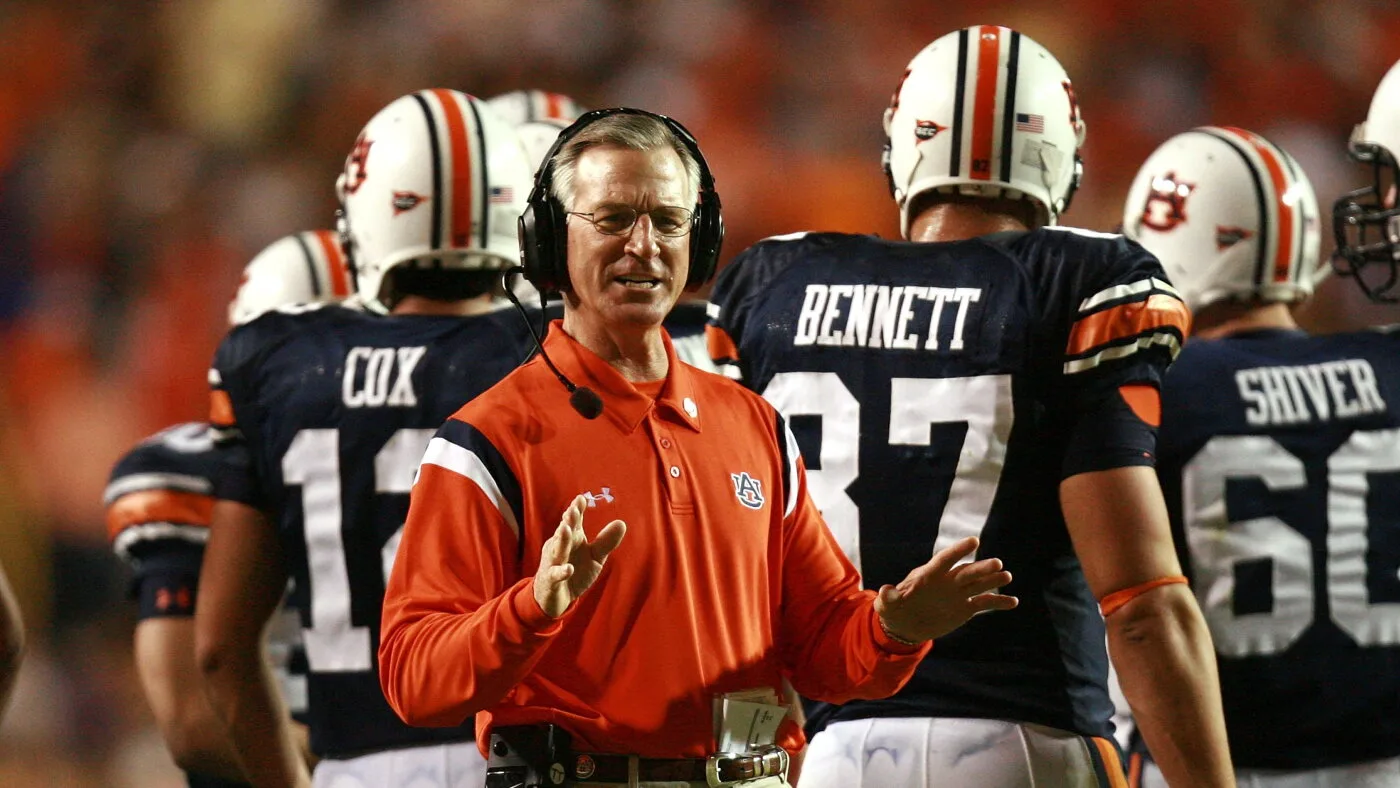
The vote. The Hill reports that the Senate goes into its last week before a month-long recess. It says one of the biggest reports on the agenda is "a final vote on the bipartisan Protect College Sports Act". NPR says the Senate is considering the bill but gives no date.
Two labels for one bill. Each report describes the bill by who stands behind it. They name different backers.
| The Hill | NPR | |
|---|---|---|
| What it calls the bill | "the bipartisan Protect College Sports Act" | a bill "lobbied for by the NCAA and other powerful stakeholders" |
| Who it names as acting | Majority Leader John Thune (R-S.D.) | "some lawmakers — themselves former college athletes", none named |
| Timing of the vote | final vote this week | no timing given |
| Athletes quoted | none | none |
What each leaves out. The Hill says the bill is bipartisan but names no sponsor from either party. It does not mention lobbying. NPR names the NCAA as a lobbyist. It gives no party breakdown and names none of the senators it says "have a major say". Neither report quotes a current college athlete.
What is not settled - Whether the bill has sponsors from both parties. Only The Hill's word "bipartisan" supports it. - Whether the final vote happens this week. Only The Hill reports the timing. - What the bill does. Neither report we hold describes what it contains. - How much the NCAA's lobbying shaped the bill. NPR states it but gives no detail.
What this is about. The US Senate is about to vote on a federal law for college sports. The fight is over who pays athletes and who sets the rules.
How it got here. For most of its history the NCAA, the body that runs most US college sport, barred athletes from being paid beyond scholarships. That model came apart in stages: - In 2019 California passed a law letting college athletes earn money from their name, image and likeness (NIL). Other states followed with laws of their own, and they did not match. - In June 2021 the Supreme Court ruled against the NCAA in NCAA v. Alston, an antitrust case over education-related benefits. In July 2021 the NCAA allowed NIL deals. - In 2025 a federal judge approved the settlement of House v. NCAA, an antitrust case. It lets schools pay athletes directly.
Since then the NCAA and the big conferences have asked Congress for one national rule in place of the state patchwork. Several bills have been introduced in both chambers.
The actors. - The NCAA and the conferences want a federal framework. NPR describes them as lobbying for this bill. - John Thune, a Republican from South Dakota, has been Senate majority leader since January 2025. He decides what reaches the floor. - Senators who played college sport, whom NPR describes as having "a major say". - College athletes, whose pay and status the rules govern. Neither report we hold quotes one.
What is at stake. A federal law could override state NIL laws and set the terms under which athletes are paid. The reports we hold do not say what this bill contains, so we cannot say which way it goes on those questions.
Where it stands. The Hill reports a final Senate vote is planned for the last week before a month-long recess. NPR says the Senate is considering the bill.
What is being argued about
- Whether the Protect College Sports Act is bipartisan
- The NCAA's lobbying for the bill
- Senators who were college athletes
- Timing of the final Senate vote
 The Hill
🇺🇸US ·
digital · independent
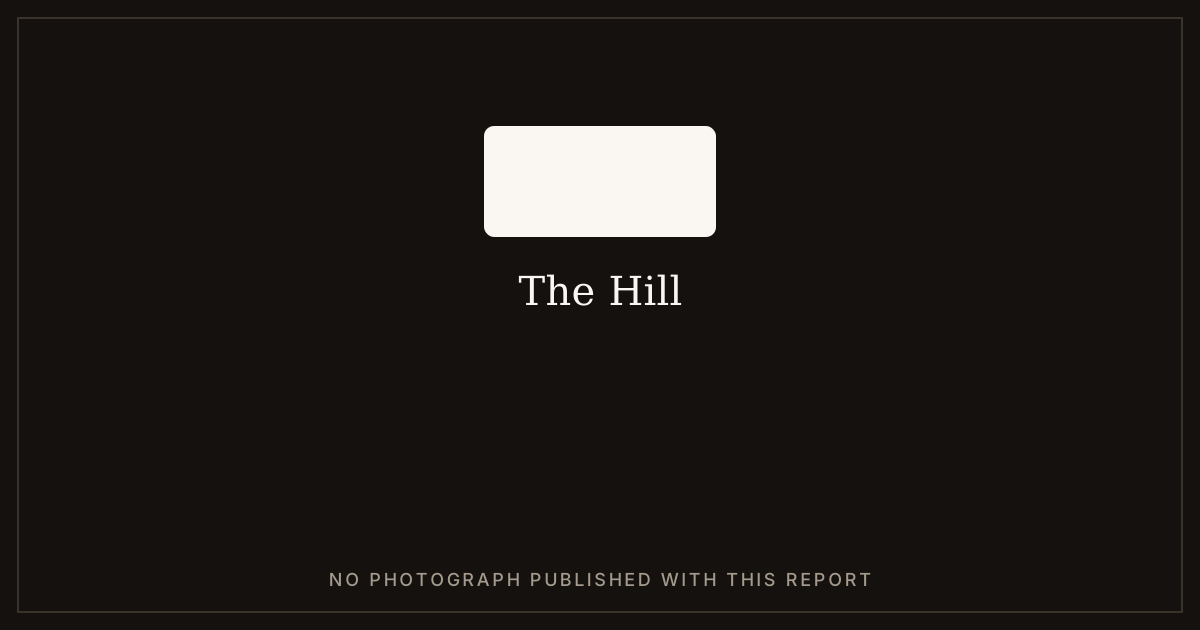 This week on The Hill: Senate packs final week before October recess
Open this report in The AI Times →
Read it at The Hill →
What we have measured
Accusation attributed the word lying is placed in a named politician's mouth, not the outlet's ×1Actor named No actor named for who kept reporters out ×1Actor named No actor named for who let reporters back in ×1Actor named Names the state as the one that carried out the execution. ×1
Outlet profile in The AI Times →
N
NPR
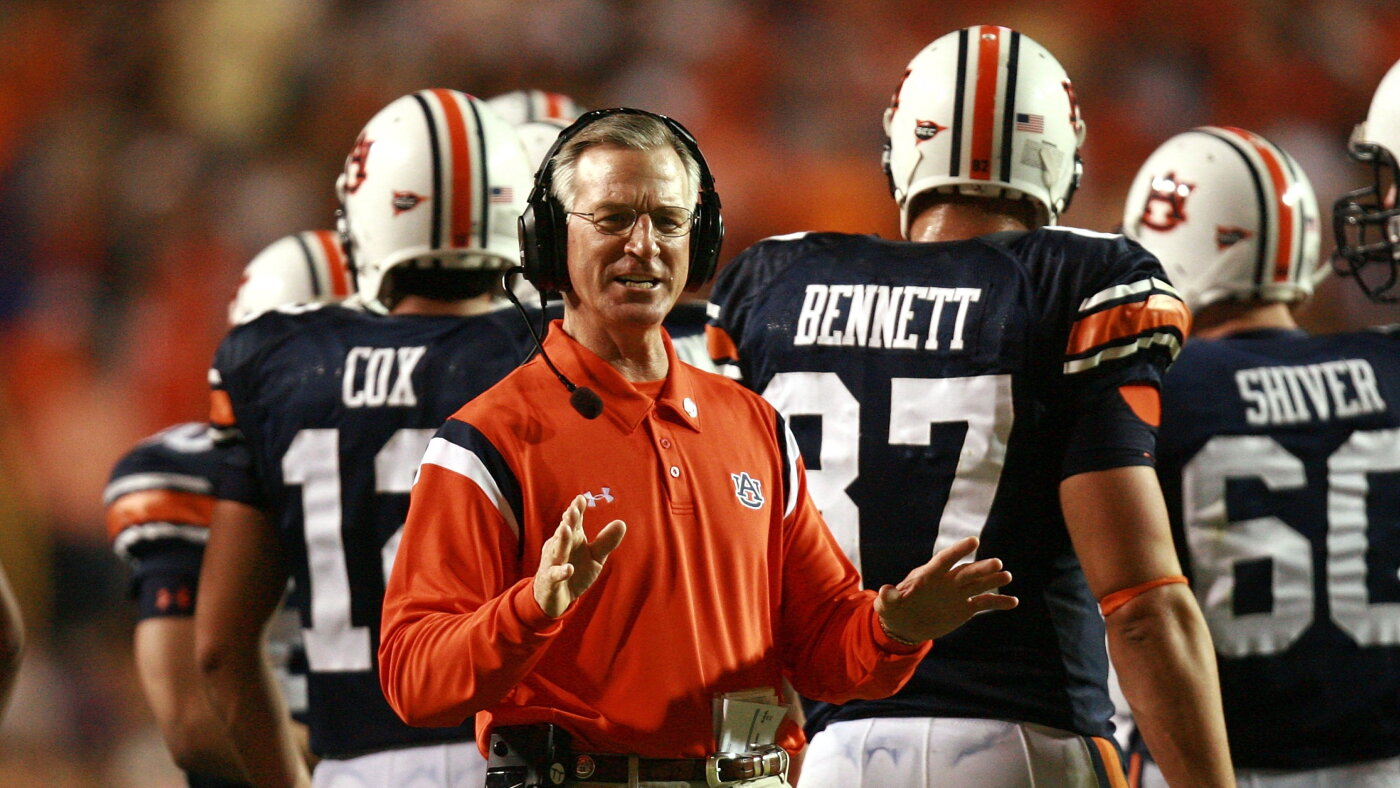 As former athletes, some Senators have extra say on the college sports reform bill
Open this report in The AI Times →
Read it at NPR →
What we have measured
Asserted, not attributed that the system wrongly flagged citizens is stated flat, with no source named for it ×1Asserted versus attributed public disbelief stated as established, with nothing cited that measured it ×1Asserted versus attributed Past threats of force are stated flat, as background ×1Asymmetric labelling one side tagged by its patron, the other not ×1
Outlet profile in The AI Times →
Bipartisan, or backed by the NCAA
One report describes the bill by who votes for it and the other by who lobbied for it. Neither opening carries both descriptions. Neither quotes a current college athlete.
The Hill
The Hill
🇺🇸US ·
digital · independent
This week on The Hill: Senate packs final week before October recess
Open this report in The AI Times →
Read it at The Hill →
What we have measured
Accusation attributed the word lying is placed in a named politician's mouth, not the outlet's ×1Actor named No actor named for who kept reporters out ×1Actor named No actor named for who let reporters back in ×1Actor named Names the state as the one that carried out the execution. ×1
Outlet profile in The AI Times →
N
NPR
As former athletes, some Senators have extra say on the college sports reform bill
Open this report in The AI Times →
Read it at NPR →
What we have measured
Asserted, not attributed that the system wrongly flagged citizens is stated flat, with no source named for it ×1Asserted versus attributed public disbelief stated as established, with nothing cited that measured it ×1Asserted versus attributed Past threats of force are stated flat, as background ×1Asymmetric labelling one side tagged by its patron, the other not ×1
Outlet profile in The AI Times →
Claims and verdicts
The Hill
The Hill
🇺🇸US ·
digital · independent
This week on The Hill: Senate packs final week before October recess
Open this report in The AI Times →
Read it at The Hill →
What we have measured
Accusation attributed the word lying is placed in a named politician's mouth, not the outlet's ×1Actor named No actor named for who kept reporters out ×1Actor named No actor named for who let reporters back in ×1Actor named Names the state as the one that carried out the execution. ×1
Outlet profile in The AI Times →
N
NPR
As former athletes, some Senators have extra say on the college sports reform bill
Open this report in The AI Times →
Read it at NPR →
What we have measured
Asserted, not attributed that the system wrongly flagged citizens is stated flat, with no source named for it ×1Asserted versus attributed public disbelief stated as established, with nothing cited that measured it ×1Asserted versus attributed Past threats of force are stated flat, as background ×1Asymmetric labelling one side tagged by its patron, the other not ×1
Outlet profile in The AI Times →
The Hill
The Hill
🇺🇸US ·
digital · independent
This week on The Hill: Senate packs final week before October recess
Open this report in The AI Times →
Read it at The Hill →
What we have measured
Accusation attributed the word lying is placed in a named politician's mouth, not the outlet's ×1Actor named No actor named for who kept reporters out ×1Actor named No actor named for who let reporters back in ×1Actor named Names the state as the one that carried out the execution. ×1
Outlet profile in The AI Times →
N
NPR
As former athletes, some Senators have extra say on the college sports reform bill
Open this report in The AI Times →
Read it at NPR →
What we have measured
Asserted, not attributed that the system wrongly flagged citizens is stated flat, with no source named for it ×1Asserted versus attributed public disbelief stated as established, with nothing cited that measured it ×1Asserted versus attributed Past threats of force are stated flat, as background ×1Asymmetric labelling one side tagged by its patron, the other not ×1
Outlet profile in The AI Times →
The Hill
The Hill
🇺🇸US ·
digital · independent
This week on The Hill: Senate packs final week before October recess
Open this report in The AI Times →
Read it at The Hill →
What we have measured
Accusation attributed the word lying is placed in a named politician's mouth, not the outlet's ×1Actor named No actor named for who kept reporters out ×1Actor named No actor named for who let reporters back in ×1Actor named Names the state as the one that carried out the execution. ×1
Outlet profile in The AI Times →
Who wrote it
Coverage, outlet by outlet
The Hill
The Hill
🇺🇸US ·
digital · independent
This week on The Hill: Senate packs final week before October recess
Open this report in The AI Times →
Read it at The Hill →
What we have measured
Accusation attributed the word lying is placed in a named politician's mouth, not the outlet's ×1Actor named No actor named for who kept reporters out ×1Actor named No actor named for who let reporters back in ×1Actor named Names the state as the one that carried out the execution. ×1
Outlet profile in The AI Times →
— independent
As former athletes, some Senators have extra say on the college sports reform bill
Open this report in The AI Times →
Read it at NPR →
What we have measured
Asserted, not attributed that the system wrongly flagged citizens is stated flat, with no source named for it ×1Asserted versus attributed public disbelief stated as established, with nothing cited that measured it ×1Asserted versus attributed Past threats of force are stated flat, as background ×1Asymmetric labelling one side tagged by its patron, the other not ×1
Outlet profile in The AI Times →
— independent Mother Jones
🇺🇸US ·
magazine · independent
What we have measured
Asserted, not attributed 'ultra-gerrymandered' stated as fact ×1Asserted versus attributed 'Cover-up' is asserted in the report's own voice, not attributed ×1Asserted versus attributed calls it a cover-up in its own voice ×1Assertion vs attribution describes the operation as a 'violent occupation' in its own voice, with no source for the phrase ×1
Outlet profile in The AI Times →
 Reuters
🇺🇸US ·
wire · independent
What we have measured
Actor named The attacker is the subject of an active verb for both the deaths and the damage ×1Actor named No actor named for who cancelled the flights ×1Agreement stated flat, source in a tail attribution moved after the dash ×1Announcement written as settled A social-media post becomes a future indicative: the conversion will happen ×1
Outlet profile in The AI Times →
P
Politico
 Fox News
🇺🇸US ·
TV/radio · independent
What we have measured
Accused named Names one former fraternity member through his lawyer's denial. The woman is anonymous by her own choice. ×1Actor in headline The headline names Trump as the one acting. The body names only Anduril. ×1A number, with no people named The only report that gives a figure counts the journalists whose communications were swept up. It names none of them. ×1Asserted, not attributed stated flat: past court defeats are asserted with no case, judge or date named ×1
Outlet profile in The AI Times →
 Breitbart
🇺🇸US ·
digital · independent
What we have measured
Anyone hurt is counted, not named eight deaths given as a number only ×1Framing of motive The lede calls the denial a punishment and puts 'fake news' in quotation marks; the officials being sued are left unnamed ×1How the person shot is named a status, not a name: the only report that never uses either name calls him an illegal alien ×1How the place is described a party label attached to the city in the same clause as the casualty count ×1
Outlet profile in The AI Times →
 MSNBC
MSNBC
🇺🇸US ·
TV/radio · independent
What we have measured
Accuser not named The lede does not name the senator making the accusation ×1Actor named for the ban The White House is the subject of both verbs: it blocked journalists, then let CNN back in. ×1A first stated flat a never-before claim carried without a source attached ×1Asserted, not attributed absence of fraud evidence stated as fact ×1
Outlet profile in The AI Times →
 The New York Times
🇺🇸US ·
newspaper · independent
What we have measured
Active and passive voice the ship is 'targeted' with no actor, one sentence before a named actor is given for the Saudi attack ×1Active vs passive voice Pike is named as the killer in the active voice; the botched execution has no actor named ×1Actor label Names the shooter by its backer, not by its own name. ×1Actor named Names the official and what the process did to Pike. ×1
Outlet profile in The AI Times →
 National Review
🇺🇸US ·
magazine · independent
What we have measured
Asserted not attributed Doubt about the allegation is stated flat, in the outlet's own voice ×1Asserted not attributed An argument about deterrence is stated as fact ×1Asserted versus attributed calls it an abuse of power in its own voice ×1Asserted versus attributed 'Abuse of presidential power' is stated flat ×1
Outlet profile in The AI Times →
 The Wall Street Journal
🇺🇸US ·
newspaper · independent
What we have measured
Outlet profile in The AI Times →
 Associated Press
🇺🇸US ·
wire · independent
What we have measured
Dating and attribution Dates the signing to Aug. 6, 2026 and writes ord ×1Dating and attribution Carries a dateline correction, repeated three ti ×1How hard the claim is stated Marks "birth tourism" as the administration's ow ×1How hard the claim is stated high ×1
Outlet profile in The AI Times →