The Washington Post names Anna Yagi and the Marine accused; the AP wire says only 'a 39-year-old local woman'
Japanese police arrested a 20-year-old US Marine over the killing of a woman in a Naha hotel. Tokyo protested to Washington. One report of four names her, names him and carries his denial.
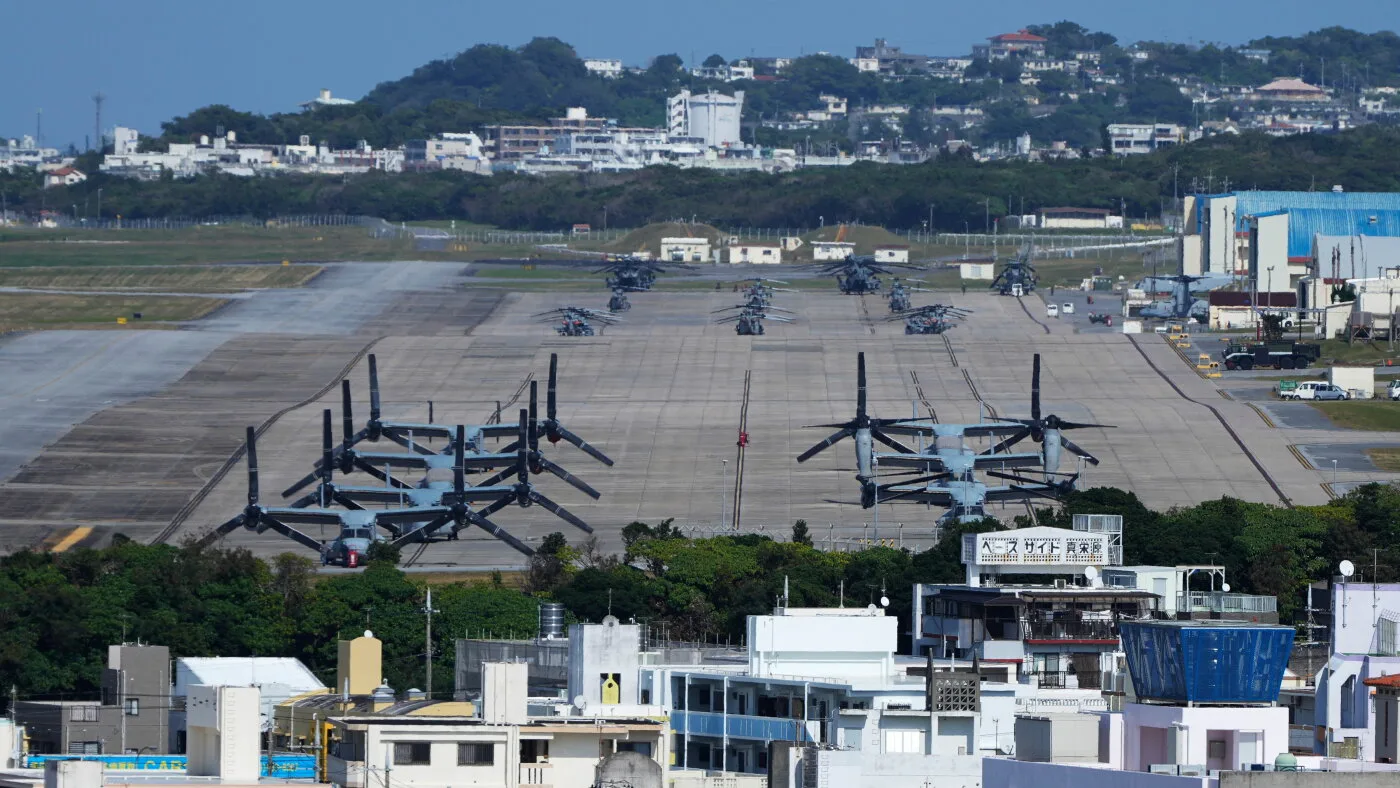
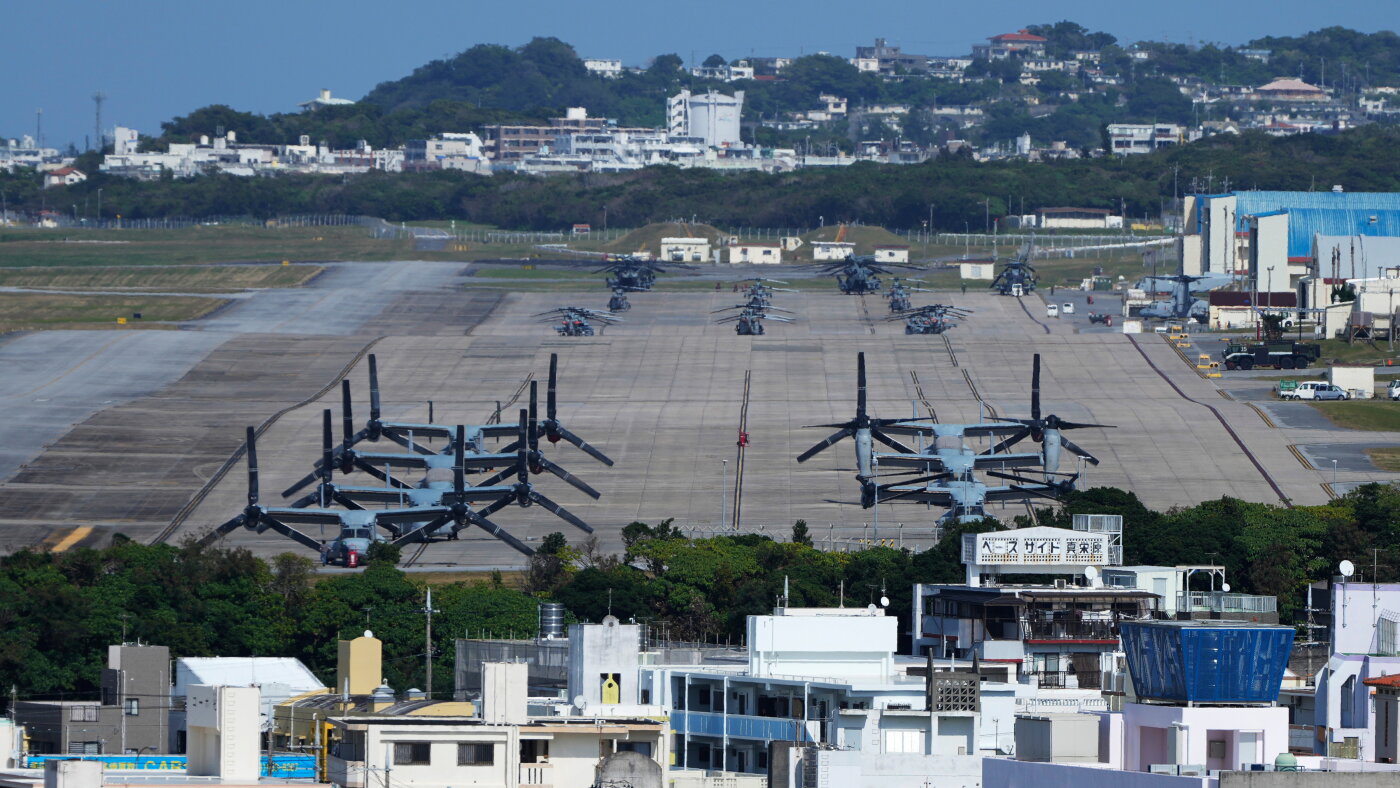
What happened. The AP wire carried by the Washington Examiner says Okinawa prefectural police arrested a 20-year-old Marine from Futenma Air Station late on Saturday 3 October. Police suspect him of killing a 39-year-old woman in a Naha hotel and taking her wallet and backpack.
Tokyo protested. The New York Times, The Washington Post and the AP wire all report an official protest. In the AP copy, Foreign Minister Toshimitsu Motegi summoned US Ambassador George Glass. Prime Minister Sanae Takaichi said Japan had "strongly protested".
Who is named.
| Outlet | The woman | The Marine | His side |
|---|---|---|---|
| The Washington Post | "Anna Yagi" | "Devin Jacob Ballard" | "denied the allegations" |
| Washington Examiner (AP) | "a 39-year-old local woman" | "a 20-year-old Marine" | not carried |
| NPR | "a woman" | "a U.S. Marine" | not carried |
| The New York Times | not in the opening we hold | not in the opening we hold | not in the opening we hold |
NPR and the Examiner open with the same wire sentence, word for word. That is one account, not two.
What leads. The Times headline leads with "Japan Protests". Its opening calls the killing "the matter" and names no one as acting.
What is not settled. Only the Post gives the names, citing police via Japan's public broadcaster. Only the AP copy gives a cause of death: strangling, citing Kyodo, which cited police. We hold only the opening lines of the Post and the Times.
What this is about. A US Marine has been arrested on Okinawa, Japan's southernmost prefecture, over the killing of a local woman. On Okinawa, a crime like this becomes a political event.
How it got here. US forces took Okinawa in 1945, in one of the last great battles of the Second World War. The United States governed the island until 1972, when it was returned to Japan. The bases stayed. Under the 1960 US-Japan security treaty, Japan hosts American forces and the United States commits to defend Japan. The AP wire says some 50,000 US troops are deployed in Japan, about half of them on Okinawa.
Crimes by service members have often turned local anger into national politics. In 1995, three US service members raped a 12-year-old girl, and massive protests followed. In 1996, the two governments agreed to close Futenma Air Station, which sits in a densely populated area, and move it. Its replacement at Henoko, on the east coast, has been delayed for decades by local opposition. The AP wire reports that prefectural police counted more than 100 arrests linked to US service members and their families last year.
Who is in it. Okinawa prefectural police, who made the arrest. The US Marine Corps, whose III Marine Expeditionary Force the suspect belongs to. Prime Minister Sanae Takaichi's government in Tokyo, which wants to work more closely with the US military on Okinawa. Okinawa's newly elected governor, Genta Koja, who answers to islanders living beside the bases. A status of forces agreement sets how US personnel accused of crimes in Japan are handled.
What is at stake. The AP wire says Okinawa is seen as increasingly important to the alliance as tensions with China grow. Each case makes it harder for Tokyo to ask Okinawans to accept a larger military presence.
Where it stands. The Marine is in Japanese custody. The Post reports that he denies the allegations. None of the reports we hold says he has been charged.
What is being argued about
- Whether the woman killed and the Marine accused are named
- Tokyo's official protest to Washington
- Crime by US service members on Okinawa
- The US troop presence on Okinawa
| Outlet | The woman | The Marine | His denial | Leads with |
|---|---|---|---|---|
| The Washington Post | Anna Yagi | Devin Jacob Ballard | carried | the names, then Tokyo's protest |
| Washington Examiner (AP) | a 39-year-old local woman | a 20-year-old Marine | not carried | the arrest |
| NPR | a woman | a U.S. Marine | not carried | the arrest |
| The New York Times | not in the opening we hold | not in the opening we hold | not in the opening we hold | Japan's protest |
 U.S. Marine accused of killing woman in Japan, drawing official protest from Tokyo
Open this report in The AI Times →
Read it at The Washington Post →
What we have measured
Accused's denial carried the only report carrying the Marine's side ×1Actor named via accusation the administration is named as acting, through the ranchers' charge; the price rise is stated flat ×1Asserted, not attributed a shift of power to Iran stated flat in the headline ×1Asserted or attributed the headline states as data what the body shows the chair selecting in a speech ×1
Outlet profile in The AI Times →
 Washington Examiner
🇺🇸US ·
newspaper · independent
 Marine arrested for alleged murder of woman on Okinawa
Open this report in The AI Times →
Read it at Washington Examiner →
What we have measured
Accusation printed unanswered a named candidate is accused of responsibility for murders, with no response carried ×1Accused named Names one accused student, citing the lawsuit; no other report we hold names any of the accused ×1Accused named Names each person charged and gives their nationality. None of the defendants is quoted. ×1Accused named Names one accused student from the civil filing and attributes the claim to the lawsuit ×1
Outlet profile in The AI Times →
N
NPR
 U.S. Marine arrested for alleged murder of a woman in Okinawa, Japan
Open this report in The AI Times →
Read it at NPR →
What we have measured
Asserted, not attributed that the system wrongly flagged citizens is stated flat, with no source named for it ×1Asserted versus attributed public disbelief stated as established, with nothing cited that measured it ×1Asserted versus attributed Past threats of force are stated flat, as background ×1Asymmetric labelling one side tagged by its patron, the other not ×1
Outlet profile in The AI Times →
 The New York Times
🇺🇸US ·
newspaper · independent
 Japan Protests After U.S. Marine Is Accused of Killing Woman in Okinawa
Open this report in The AI Times →
Read it at The New York Times →
What we have measured
Active and passive voice the ship is 'targeted' with no actor, one sentence before a named actor is given for the Saudi attack ×1Active vs passive voice Pike is named as the killer in the active voice; the botched execution has no actor named ×1Actor label Names the shooter by its backer, not by its own name. ×1Actor named Names the official and what the process did to Pike. ×1
Outlet profile in The AI Times →
- 2026-10-03— no time published; 'early hours of Saturday' Okinawa prefectural police Police say a 39-year-old woman was killed in a Naha hotel and her wallet and backpack were takenAP wire, Washington Examiner
- 2026-10-03— no time published; 'late Saturday' Okinawa prefectural police Kyodo says an officer arrested the suspect walking alone in Naha's entertainment districtAP wire, Washington Examiner
- 2026-10-0406:14 published time The New York Times Leads with Japan's protest
- 2026-10-0410:49 published time The Washington Post Names Anna Yagi and Devin Jacob Ballard; carries his denial
- 2026-10-0414:50 published time Washington Examiner Runs the AP wire in full
- 2026-10-0415:15 published time NPR Opens with the same wire sentence
Washington Examiner
Washington Examiner
🇺🇸US ·
newspaper · independent
Marine arrested for alleged murder of woman on Okinawa
Open this report in The AI Times →
Read it at Washington Examiner →
What we have measured
Accusation printed unanswered a named candidate is accused of responsibility for murders, with no response carried ×1Accused named Names one accused student, citing the lawsuit; no other report we hold names any of the accused ×1Accused named Names each person charged and gives their nationality. None of the defendants is quoted. ×1Accused named Names one accused student from the civil filing and attributes the claim to the lawsuit ×1
Outlet profile in The AI Times →
The New York Times
The New York Times
🇺🇸US ·
newspaper · independent
Japan Protests After U.S. Marine Is Accused of Killing Woman in Okinawa
Open this report in The AI Times →
Read it at The New York Times →
What we have measured
Active and passive voice the ship is 'targeted' with no actor, one sentence before a named actor is given for the Saudi attack ×1Active vs passive voice Pike is named as the killer in the active voice; the botched execution has no actor named ×1Actor label Names the shooter by its backer, not by its own name. ×1Actor named Names the official and what the process did to Pike. ×1
Outlet profile in The AI Times →
T
The Washington Post
U.S. Marine accused of killing woman in Japan, drawing official protest from Tokyo
Open this report in The AI Times →
Read it at The Washington Post →
What we have measured
Accused's denial carried the only report carrying the Marine's side ×1Actor named via accusation the administration is named as acting, through the ranchers' charge; the price rise is stated flat ×1Asserted, not attributed a shift of power to Iran stated flat in the headline ×1Asserted or attributed the headline states as data what the body shows the chair selecting in a speech ×1
Outlet profile in The AI Times →
N
NPR
U.S. Marine arrested for alleged murder of a woman in Okinawa, Japan
Open this report in The AI Times →
Read it at NPR →
What we have measured
Asserted, not attributed that the system wrongly flagged citizens is stated flat, with no source named for it ×1Asserted versus attributed public disbelief stated as established, with nothing cited that measured it ×1Asserted versus attributed Past threats of force are stated flat, as background ×1Asymmetric labelling one side tagged by its patron, the other not ×1
Outlet profile in The AI Times →
Named in one report of four
One report of four names the woman who was killed and the Marine who was arrested. The others call her 'a woman' or 'a 39-year-old local woman'. The same report is the only one that carries the Marine's denial.
Two reports, one wire text
Two reports open with the same wire sentence word for word. They are one account, not two. Only the longer version quotes Okinawa's governor and counts past arrests.
The New York Times
The New York Times
🇺🇸US ·
newspaper · independent
Japan Protests After U.S. Marine Is Accused of Killing Woman in Okinawa
Open this report in The AI Times →
Read it at The New York Times →
What we have measured
Active and passive voice the ship is 'targeted' with no actor, one sentence before a named actor is given for the Saudi attack ×1Active vs passive voice Pike is named as the killer in the active voice; the botched execution has no actor named ×1Actor label Names the shooter by its backer, not by its own name. ×1Actor named Names the official and what the process did to Pike. ×1
Outlet profile in The AI Times →
T
The Washington Post
U.S. Marine accused of killing woman in Japan, drawing official protest from Tokyo
Open this report in The AI Times →
Read it at The Washington Post →
What we have measured
Accused's denial carried the only report carrying the Marine's side ×1Actor named via accusation the administration is named as acting, through the ranchers' charge; the price rise is stated flat ×1Asserted, not attributed a shift of power to Iran stated flat in the headline ×1Asserted or attributed the headline states as data what the body shows the chair selecting in a speech ×1
Outlet profile in The AI Times →
N
NPR
U.S. Marine arrested for alleged murder of a woman in Okinawa, Japan
Open this report in The AI Times →
Read it at NPR →
What we have measured
Asserted, not attributed that the system wrongly flagged citizens is stated flat, with no source named for it ×1Asserted versus attributed public disbelief stated as established, with nothing cited that measured it ×1Asserted versus attributed Past threats of force are stated flat, as background ×1Asymmetric labelling one side tagged by its patron, the other not ×1
Outlet profile in The AI Times →
Washington Examiner
Washington Examiner
🇺🇸US ·
newspaper · independent
Marine arrested for alleged murder of woman on Okinawa
Open this report in The AI Times →
Read it at Washington Examiner →
What we have measured
Accusation printed unanswered a named candidate is accused of responsibility for murders, with no response carried ×1Accused named Names one accused student, citing the lawsuit; no other report we hold names any of the accused ×1Accused named Names each person charged and gives their nationality. None of the defendants is quoted. ×1Accused named Names one accused student from the civil filing and attributes the claim to the lawsuit ×1
Outlet profile in The AI Times →
Claims and verdicts
No claims registered.
Who wrote it
The New York Times
Coverage, outlet by outlet
U.S. Marine arrested for alleged murder of a woman in Okinawa, Japan
Open this report in The AI Times →
Read it at NPR →
What we have measured
Asserted, not attributed that the system wrongly flagged citizens is stated flat, with no source named for it ×1Asserted versus attributed public disbelief stated as established, with nothing cited that measured it ×1Asserted versus attributed Past threats of force are stated flat, as background ×1Asymmetric labelling one side tagged by its patron, the other not ×1
Outlet profile in The AI Times →
— independent
Washington Examiner
Washington Examiner
🇺🇸US ·
newspaper · independent
Marine arrested for alleged murder of woman on Okinawa
Open this report in The AI Times →
Read it at Washington Examiner →
What we have measured
Accusation printed unanswered a named candidate is accused of responsibility for murders, with no response carried ×1Accused named Names one accused student, citing the lawsuit; no other report we hold names any of the accused ×1Accused named Names each person charged and gives their nationality. None of the defendants is quoted. ×1Accused named Names one accused student from the civil filing and attributes the claim to the lawsuit ×1
Outlet profile in The AI Times →
— independent
U.S. Marine accused of killing woman in Japan, drawing official protest from Tokyo
Open this report in The AI Times →
Read it at The Washington Post →
What we have measured
Accused's denial carried the only report carrying the Marine's side ×1Actor named via accusation the administration is named as acting, through the ranchers' charge; the price rise is stated flat ×1Asserted, not attributed a shift of power to Iran stated flat in the headline ×1Asserted or attributed the headline states as data what the body shows the chair selecting in a speech ×1
Outlet profile in The AI Times →
— independent
The New York Times
The New York Times
🇺🇸US ·
newspaper · independent
Japan Protests After U.S. Marine Is Accused of Killing Woman in Okinawa
Open this report in The AI Times →
Read it at The New York Times →
What we have measured
Active and passive voice the ship is 'targeted' with no actor, one sentence before a named actor is given for the Saudi attack ×1Active vs passive voice Pike is named as the killer in the active voice; the botched execution has no actor named ×1Actor label Names the shooter by its backer, not by its own name. ×1Actor named Names the official and what the process did to Pike. ×1
Outlet profile in The AI Times →
— independent Mother Jones
🇺🇸US ·
magazine · independent
What we have measured
Asserted, not attributed 'ultra-gerrymandered' stated as fact ×1Asserted versus attributed 'Cover-up' is asserted in the report's own voice, not attributed ×1Asserted versus attributed calls it a cover-up in its own voice ×1Assertion vs attribution describes the operation as a 'violent occupation' in its own voice, with no source for the phrase ×1
Outlet profile in The AI Times →
 Reuters
🇺🇸US ·
wire · independent
What we have measured
Actor named The attacker is the subject of an active verb for both the deaths and the damage ×1Actor named No actor named for who cancelled the flights ×1Agreement stated flat, source in a tail attribution moved after the dash ×1Announcement written as settled A social-media post becomes a future indicative: the conversion will happen ×1
Outlet profile in The AI Times →
P
Politico
 Fox News
🇺🇸US ·
TV/radio · independent
What we have measured
Accused named Names one former fraternity member through his lawyer's denial. The woman is anonymous by her own choice. ×1Actor in headline The headline names Trump as the one acting. The body names only Anduril. ×1A number, with no people named The only report that gives a figure counts the journalists whose communications were swept up. It names none of them. ×1Asserted, not attributed stated flat: past court defeats are asserted with no case, judge or date named ×1
Outlet profile in The AI Times →
 Breitbart
🇺🇸US ·
digital · independent
What we have measured
Anyone hurt is counted, not named eight deaths given as a number only ×1Framing of motive The lede calls the denial a punishment and puts 'fake news' in quotation marks; the officials being sued are left unnamed ×1How the person shot is named a status, not a name: the only report that never uses either name calls him an illegal alien ×1How the place is described a party label attached to the city in the same clause as the casualty count ×1
Outlet profile in The AI Times →
 MSNBC
MSNBC
🇺🇸US ·
TV/radio · independent
What we have measured
Accuser not named The lede does not name the senator making the accusation ×1Actor named for the ban The White House is the subject of both verbs: it blocked journalists, then let CNN back in. ×1A first stated flat a never-before claim carried without a source attached ×1Asserted, not attributed absence of fraud evidence stated as fact ×1
Outlet profile in The AI Times →
 The Hill
🇺🇸US ·
digital · independent
What we have measured
Accusation attributed the word lying is placed in a named politician's mouth, not the outlet's ×1Actor named No actor named for who kept reporters out ×1Actor named No actor named for who let reporters back in ×1Actor named Names the state as the one that carried out the execution. ×1
Outlet profile in The AI Times →
 National Review
🇺🇸US ·
magazine · independent
What we have measured
Asserted not attributed Doubt about the allegation is stated flat, in the outlet's own voice ×1Asserted not attributed An argument about deterrence is stated as fact ×1Asserted versus attributed calls it an abuse of power in its own voice ×1Asserted versus attributed 'Abuse of presidential power' is stated flat ×1
Outlet profile in The AI Times →
 The Wall Street Journal
🇺🇸US ·
newspaper · independent
What we have measured
Outlet profile in The AI Times →
 Associated Press
🇺🇸US ·
wire · independent
What we have measured
Dating and attribution Dates the signing to Aug. 6, 2026 and writes ord ×1Dating and attribution Carries a dateline correction, repeated three ti ×1How hard the claim is stated Marks "birth tourism" as the administration's ow ×1How hard the claim is stated high ×1
Outlet profile in The AI Times →