Trump posts Cotton's number: The Hill says the bill makes daylight saving time permanent, the Washington Examiner says it ends it
President Trump put Sen. Tom Cotton's cell phone number on Truth Social to push the Sunshine Protection Act. The two reports we hold describe the bill in opposite ways and give Cotton different home states. Neither carries a word from Cotton.
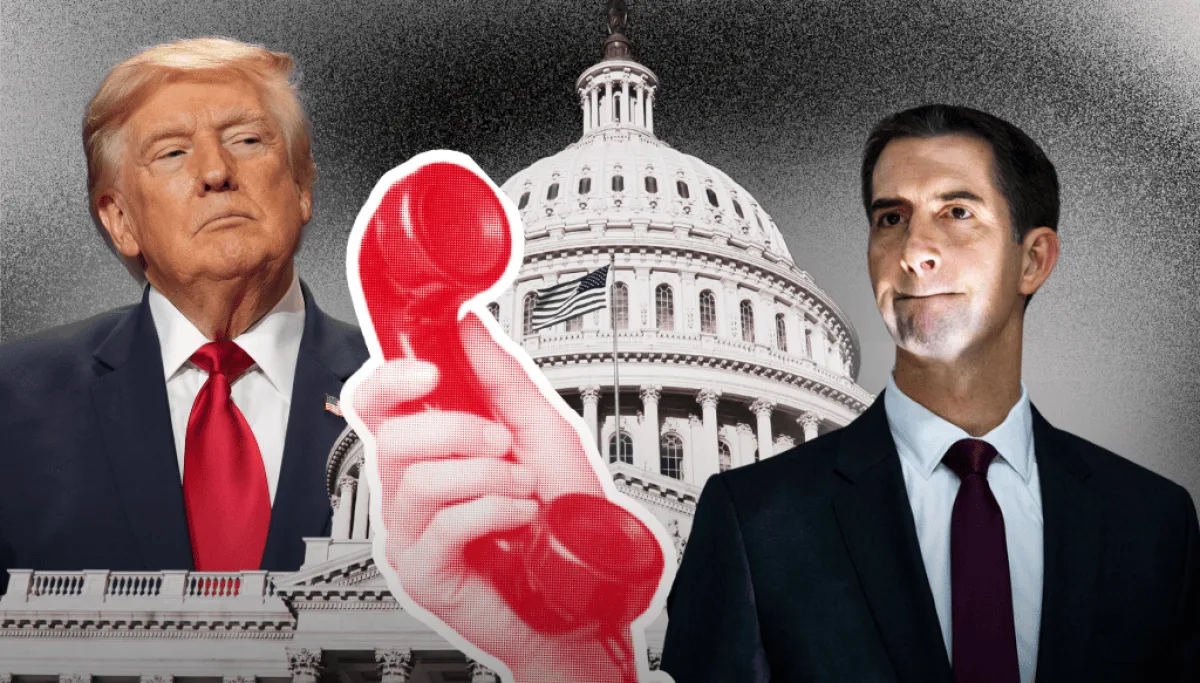
What both reports say. On Saturday, President Trump posted Sen. Tom Cotton's cell phone number on Truth Social. He did it to press for the Sunshine Protection Act. The Hill quotes the post: "Tom Cotton, a friend of mine, is holding up a very important Bill," Trump wrote.
Where they split.
| The Hill | Washington Examiner | |
|---|---|---|
| What the bill does | "would make daylight saving time permanent" | "would end daylight saving time" |
| Cotton's state | "R-Ark." | "R-AK" (the code for Alaska) |
| Cotton's position | Trump says Cotton is "holding up" the bill | Cotton is "opposing the measure", with no source given |
| Verb for Trump | "lashing out at Senate Republicans" | "urging people to call Cotton" |
Which is right. Cotton is a senator from Arkansas. The bill's name and its stated aim are permanent daylight saving time, so The Hill's version matches it. The Examiner's version describes the opposite outcome.
Who is heard. Both reports carry Trump's account. Neither quotes Cotton or his office. Only the Examiner says the bill passed the House in July.
What is not settled - Whether Cotton is actually blocking the bill. The only source for that is Trump's post. - Why Cotton would object. Neither report gives a reason. - Whether Cotton or his office has responded. Neither report carries a response. - The rest of Trump's post. The Hill's text breaks off mid-quote.
What this is about. A Republican president publicly pressured a Republican senator over a bill on how Americans set their clocks.
How it got here. Most of the United States moves its clocks forward an hour each spring and back each autumn. That is daylight saving time. Federal law, the Uniform Time Act of 1966, lets a state opt out and stay on standard time all year, as Arizona and Hawaii do. It does not let a state stay on daylight saving time all year. Several state legislatures have voted for year-round daylight saving time on condition that Congress allows it.
The Sunshine Protection Act is the bill that would allow it, by making daylight saving time permanent nationwide. Versions have been filed in Congress for years. In March 2022 the Senate passed one by unanimous consent, but the House never voted on it and it died when that Congress ended.
The actors. Donald Trump is president and backs the bill. Tom Cotton is a Republican senator from Arkansas, in the Senate since 2015. According to the Washington Examiner, the House passed the bill in July and it is now stuck in the Senate.
Why one senator matters. In the Senate, a bill can move quickly by unanimous consent, but a single senator can object and block that route. The bill then needs floor time and a vote. Trump's post says Cotton is the senator holding it up. We hold no account from Cotton.
What is at stake. If the bill becomes law, Americans would stop changing their clocks twice a year and would keep later sunsets in winter, with darker mornings. If it stalls again, the twice-yearly change continues.
Where it stands. The bill awaits Senate action. Cotton's reasons, if he is objecting, are not in the reports we hold.
What is being argued about
- Whether the Sunshine Protection Act makes daylight saving time permanent or ends it
- Whether Tom Cotton is the senator blocking the bill, on Trump's word alone
- A president publishing a senator's cell phone number
- Which outlet gave Cotton the wrong state
| Outlet | What the bill does | Cotton's state | Cotton's position, and its source | Cotton quoted? |
|---|---|---|---|---|
| The Hill | "would make daylight saving time permanent" | "R-Ark." | "holding up a very important Bill", in Trump's words | No |
| Washington Examiner | "would end daylight saving time" | "R-AK" | "opposing the measure", with no source given | No |
 The Hill
🇺🇸US ·
digital · independent
 Trump posts GOP senator’s cell phone number over daylight savings act stall
Open this report in The AI Times →
Read it at The Hill →
What we have measured
Accusation attributed the word lying is placed in a named politician's mouth, not the outlet's ×1Actor named No actor named for who kept reporters out ×1Actor named No actor named for who let reporters back in ×1Actor named Names the state as the one that carried out the execution. ×1
Outlet profile in The AI Times →
 Washington Examiner
🇺🇸US ·
newspaper · independent
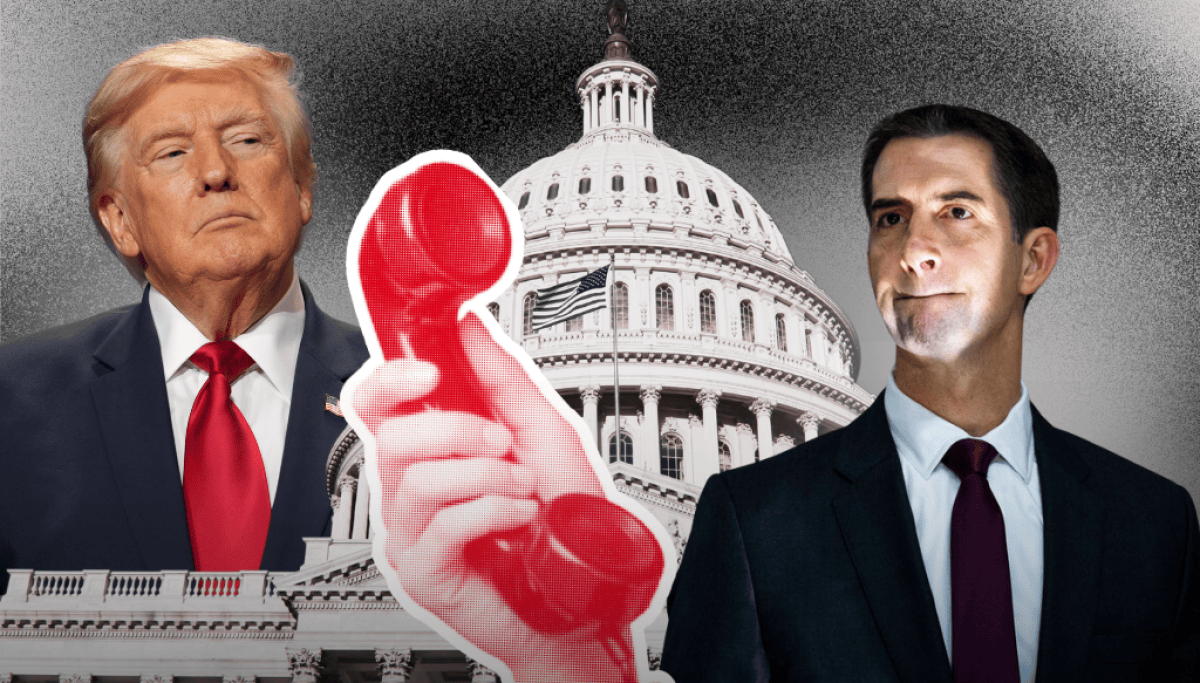 Trump releases Tom Cotton’s cellphone number over daylight savings bill
Open this report in The AI Times →
Read it at Washington Examiner →
What we have measured
Accusation printed unanswered a named candidate is accused of responsibility for murders, with no response carried ×1Accused named Names one accused student, citing the lawsuit; no other report we hold names any of the accused ×1Accused named Names each person charged and gives their nationality. None of the defendants is quoted. ×1Accused named Names one accused student from the civil filing and attributes the claim to the lawsuit ×1
Outlet profile in The AI Times →
- 2026-10-03— no time published Donald Trump Posts Tom Cotton's cell phone number on Truth Social and urges a vote on the Sunshine Protection ActNeither report gives the time of the post
- 2026-10-0315:35 UTC Washington Examiner publication time Washington Examiner Reports the post; says the bill would end daylight saving time and that Cotton opposes itLists Cotton as R-AK
- 2026-10-0316:20 UTC The Hill publication time The Hill Reports the post; says the bill would make daylight saving time permanentQuotes Trump: Cotton is "holding up a very important Bill"
The Hill
The Hill
🇺🇸US ·
digital · independent
Trump posts GOP senator’s cell phone number over daylight savings act stall
Open this report in The AI Times →
Read it at The Hill →
What we have measured
Accusation attributed the word lying is placed in a named politician's mouth, not the outlet's ×1Actor named No actor named for who kept reporters out ×1Actor named No actor named for who let reporters back in ×1Actor named Names the state as the one that carried out the execution. ×1
Outlet profile in The AI Times →
Washington Examiner
Washington Examiner
🇺🇸US ·
newspaper · independent
Trump releases Tom Cotton’s cellphone number over daylight savings bill
Open this report in The AI Times →
Read it at Washington Examiner →
What we have measured
Accusation printed unanswered a named candidate is accused of responsibility for murders, with no response carried ×1Accused named Names one accused student, citing the lawsuit; no other report we hold names any of the accused ×1Accused named Names each person charged and gives their nationality. None of the defendants is quoted. ×1Accused named Names one accused student from the civil filing and attributes the claim to the lawsuit ×1
Outlet profile in The AI Times →
Two reports, two different bills
One report says the bill would make daylight saving time permanent. The other says it would end daylight saving time. They also give Cotton two different home states.
The senator is talked about, not heard
Both reports quote or begin to quote Trump. Neither carries a word from Cotton. One states his opposition as fact without attributing it.
The Hill
The Hill
🇺🇸US ·
digital · independent
Trump posts GOP senator’s cell phone number over daylight savings act stall
Open this report in The AI Times →
Read it at The Hill →
What we have measured
Accusation attributed the word lying is placed in a named politician's mouth, not the outlet's ×1Actor named No actor named for who kept reporters out ×1Actor named No actor named for who let reporters back in ×1Actor named Names the state as the one that carried out the execution. ×1
Outlet profile in The AI Times →
Washington Examiner
Washington Examiner
🇺🇸US ·
newspaper · independent
Trump releases Tom Cotton’s cellphone number over daylight savings bill
Open this report in The AI Times →
Read it at Washington Examiner →
What we have measured
Accusation printed unanswered a named candidate is accused of responsibility for murders, with no response carried ×1Accused named Names one accused student, citing the lawsuit; no other report we hold names any of the accused ×1Accused named Names each person charged and gives their nationality. None of the defendants is quoted. ×1Accused named Names one accused student from the civil filing and attributes the claim to the lawsuit ×1
Outlet profile in The AI Times →
Claims and verdicts
No claims registered.
Who wrote it
The Hill
Washington Examiner
Coverage, outlet by outlet
The Hill
The Hill
🇺🇸US ·
digital · independent
Trump posts GOP senator’s cell phone number over daylight savings act stall
Open this report in The AI Times →
Read it at The Hill →
What we have measured
Accusation attributed the word lying is placed in a named politician's mouth, not the outlet's ×1Actor named No actor named for who kept reporters out ×1Actor named No actor named for who let reporters back in ×1Actor named Names the state as the one that carried out the execution. ×1
Outlet profile in The AI Times →
— independent
Washington Examiner
Washington Examiner
🇺🇸US ·
newspaper · independent
Trump releases Tom Cotton’s cellphone number over daylight savings bill
Open this report in The AI Times →
Read it at Washington Examiner →
What we have measured
Accusation printed unanswered a named candidate is accused of responsibility for murders, with no response carried ×1Accused named Names one accused student, citing the lawsuit; no other report we hold names any of the accused ×1Accused named Names each person charged and gives their nationality. None of the defendants is quoted. ×1Accused named Names one accused student from the civil filing and attributes the claim to the lawsuit ×1
Outlet profile in The AI Times →
— independent Mother Jones
🇺🇸US ·
magazine · independent
What we have measured
Asserted, not attributed 'ultra-gerrymandered' stated as fact ×1Asserted versus attributed 'Cover-up' is asserted in the report's own voice, not attributed ×1Asserted versus attributed calls it a cover-up in its own voice ×1Assertion vs attribution describes the operation as a 'violent occupation' in its own voice, with no source for the phrase ×1
Outlet profile in The AI Times →
 Reuters
🇺🇸US ·
wire · independent
What we have measured
Actor named The attacker is the subject of an active verb for both the deaths and the damage ×1Actor named No actor named for who cancelled the flights ×1Agreement stated flat, source in a tail attribution moved after the dash ×1Announcement written as settled A social-media post becomes a future indicative: the conversion will happen ×1
Outlet profile in The AI Times →
N
NPR
 Fox News
🇺🇸US ·
TV/radio · independent
What we have measured
Accused named Names one former fraternity member through his lawyer's denial. The woman is anonymous by her own choice. ×1Actor in headline The headline names Trump as the one acting. The body names only Anduril. ×1A number, with no people named The only report that gives a figure counts the journalists whose communications were swept up. It names none of them. ×1Asserted, not attributed stated flat: past court defeats are asserted with no case, judge or date named ×1
Outlet profile in The AI Times →
 Breitbart
🇺🇸US ·
digital · independent
What we have measured
Anyone hurt is counted, not named eight deaths given as a number only ×1Framing of motive The lede calls the denial a punishment and puts 'fake news' in quotation marks; the officials being sued are left unnamed ×1How the person shot is named a status, not a name: the only report that never uses either name calls him an illegal alien ×1How the place is described a party label attached to the city in the same clause as the casualty count ×1
Outlet profile in The AI Times →
 MSNBC
MSNBC
🇺🇸US ·
TV/radio · independent
What we have measured
Accuser not named The lede does not name the senator making the accusation ×1Actor named for the ban The White House is the subject of both verbs: it blocked journalists, then let CNN back in. ×1A first stated flat a never-before claim carried without a source attached ×1Asserted, not attributed absence of fraud evidence stated as fact ×1
Outlet profile in The AI Times →
 The New York Times
🇺🇸US ·
newspaper · independent
What we have measured
Active and passive voice the ship is 'targeted' with no actor, one sentence before a named actor is given for the Saudi attack ×1Active vs passive voice Pike is named as the killer in the active voice; the botched execution has no actor named ×1Actor label Names the shooter by its backer, not by its own name. ×1Actor named Names the official and what the process did to Pike. ×1
Outlet profile in The AI Times →
 National Review
🇺🇸US ·
magazine · independent
What we have measured
Asserted not attributed Doubt about the allegation is stated flat, in the outlet's own voice ×1Asserted not attributed An argument about deterrence is stated as fact ×1Asserted versus attributed calls it an abuse of power in its own voice ×1Asserted versus attributed 'Abuse of presidential power' is stated flat ×1
Outlet profile in The AI Times →
 The Wall Street Journal
🇺🇸US ·
newspaper · independent
What we have measured
Outlet profile in The AI Times →
 Associated Press
🇺🇸US ·
wire · independent
What we have measured
Dating and attribution Dates the signing to Aug. 6, 2026 and writes ord ×1Dating and attribution Carries a dateline correction, repeated three ti ×1How hard the claim is stated Marks "birth tourism" as the administration's ow ×1How hard the claim is stated high ×1
Outlet profile in The AI Times →