Ukrainska Pravda says 17 stations opened in Transnistria; RIA Novosti reports only the embassy in Chisinau
Russia ran its parliamentary vote on Moldovan territory Chisinau does not control. Two Ukrainian reports put the word "elections" in quotation marks, a Moldovan paper sent reporters to the doors in Tiraspol, and the one Russian state report we hold covers the single station Moldova agreed to.
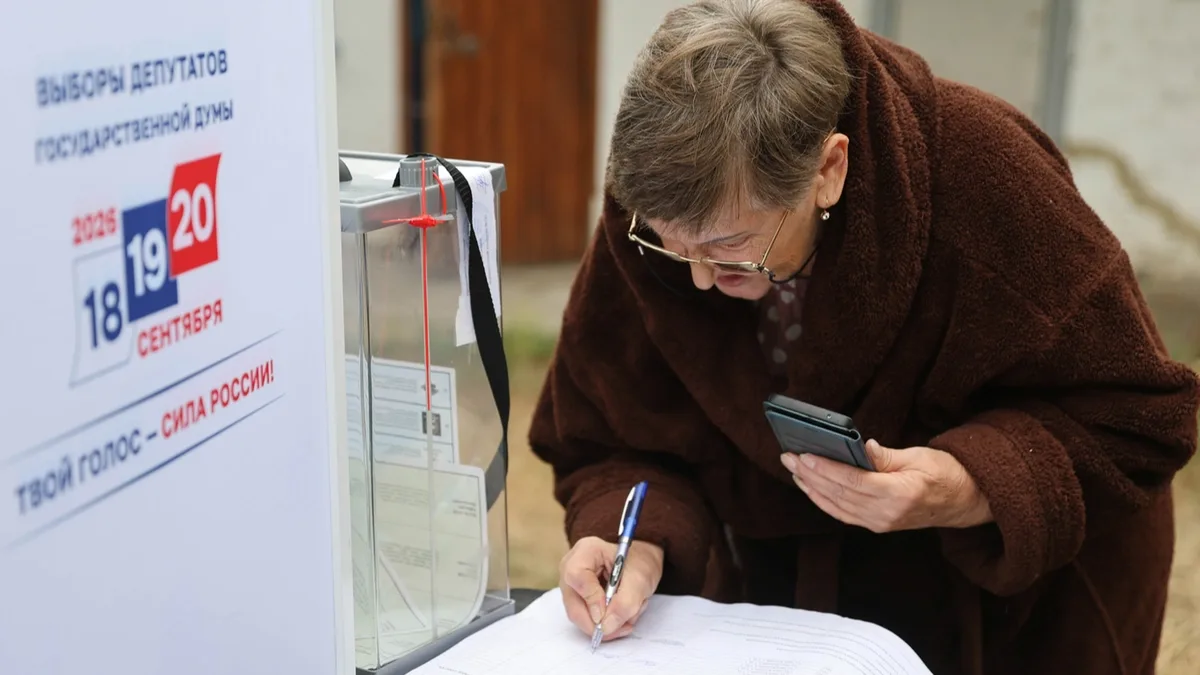
What happened. Russia held its State Duma election on Sunday 20 September and opened polling stations in Transnistria, the breakaway strip of Moldova that Chisinau does not control. Ukrainska Pravda reports that Moldova's foreign ministry had called this unacceptable without the agreement of the country's constitutional authorities, and that the one station Moldova did agree to sits inside the Russian embassy in Chisinau. Transnistria's leader Vadim Krasnoselsky voted; Obozrevatel puts that in its headline.
Where the accounts part.
| Outlet | What it counts | What it calls the vote |
|---|---|---|
| Ukrainska Pravda | 17 stations; more than 21,000 voters by noon | "elections", in "unrecognised" Transnistria |
| Obozrevatel | No number | "polling stations"; the "head of PMR" |
| Ziarul de Gardă | Three stations in Tiraspol | Polling stations, no quotation marks |
| RIA Novosti | The embassy in Chisinau | Voting, no quotation marks |
The scene at the doors. Ziarul de Gardă's reporters went to three stations in Tiraspol and describe police, soldiers, heavy-set men in civilian clothes and dark glasses, police vans and metal detectors at the entrances, with Russian songs playing inside. No other report we hold describes a station from outside.
Not settled. The number 17 comes from Krasnoselsky's own earlier announcement of how many he would open, not from a count of what opened. The figure of more than 21,000 by noon appears in one report, credited to Newsmaker; nothing says who compiled it, and no second count exists in what we hold. No report we hold carries a Russian or Transnistrian official answering Moldova's objection, and none quotes a voter.
What this is about. Russia held a national parliamentary election and put ballot boxes on the soil of a neighbouring state that had refused permission.
How it got here. Moldova became independent when the Soviet Union broke up in 1991. Transnistria — a narrow strip on the east bank of the Dniester river, with a large Russian-speaking population — refused to go with it. A short war in 1992 ended with the strip under its own administration and Russian troops stationed on it, where they remain. No UN member state recognises it, Russia included. Its authorities call it the Pridnestrovian Moldavian Republic, the "PMR" of Obozrevatel's headline, and Vadim Krasnoselsky has led it since 2016. Moldova's constitution still counts the territory as Moldovan; Chisinau does not govern it.
Who is in it, and why. The State Duma is the lower house of Russia's parliament. Russians living abroad vote at their embassies and consulates, and doing so requires the consent of the state they are in. Many residents of Transnistria hold Russian passports. That is the collision: Moscow treats them as citizens who should be able to vote where they live, while Chisinau says nothing may open on Moldovan soil without its agreement — and agreed only to the station in the Russian embassy in the capital.
What is at stake. Not who wins the seats. Moldova applied for European Union membership in 2022 and was granted candidate status that June, while Transnistria stays the one part of its territory where Russian authority is a fact on the ground. The question is recognition by practice: whether Russia can administer Transnistria as it does its own regions, and whether Moldova's refusal carries any weight. Ukrainska Pravda notes Russia ran the same vote in occupied parts of Ukraine's Kherson region.
Where it stands. The stations opened Sunday morning and were due to close at 20:00. Krasnoselsky voted. Moldova's objection stands on paper.
What is being argued about
- Whether 17 stations opened, or whether 17 is only the number Transnistria's leader said in advance he would open
- What to call a vote held without the host state's consent, and whose words each outlet puts in quotation marks
- Who counted the more than 21,000 voters by noon
- What the Russian state account covers — the embassy in Chisinau — and what it leaves out
| Outlet | What it counts | What it calls the vote | What is hedged |
|---|---|---|---|
| Ukrainska Pravda (Ukraine) | 17 stations; more than 21,000 voters by 12:00, citing Newsmaker; open 08:00–20:00 | "elections" to Russia's State Duma, in "unrecognised" Transnistria; the "head" of Transnistria | The turnout is attributed by name; the opening is stated flat |
| Ukrainska Pravda, English (Ukraine) | 17 stations; more than 21,000 by noon | Polling stations, no quotation marks | "Reportedly" on the turnout only, with no counter named |
| Obozrevatel (Ukraine) | — | «Избирательные участки» — the stations themselves in quotation marks; the "head of PMR" | Nothing hedged; the quotation marks carry the doubt |
| Ziarul de Gardă (Moldova) | Three stations in Tiraspol, visited by its reporters | Polling stations, no quotation marks | Nothing hedged and nothing counted — the report is what its reporters saw |
| RIA Novosti (Russian state) | The embassy in Chisinau | Voting; no quotation marks anywhere | We hold the headline only, and no text |
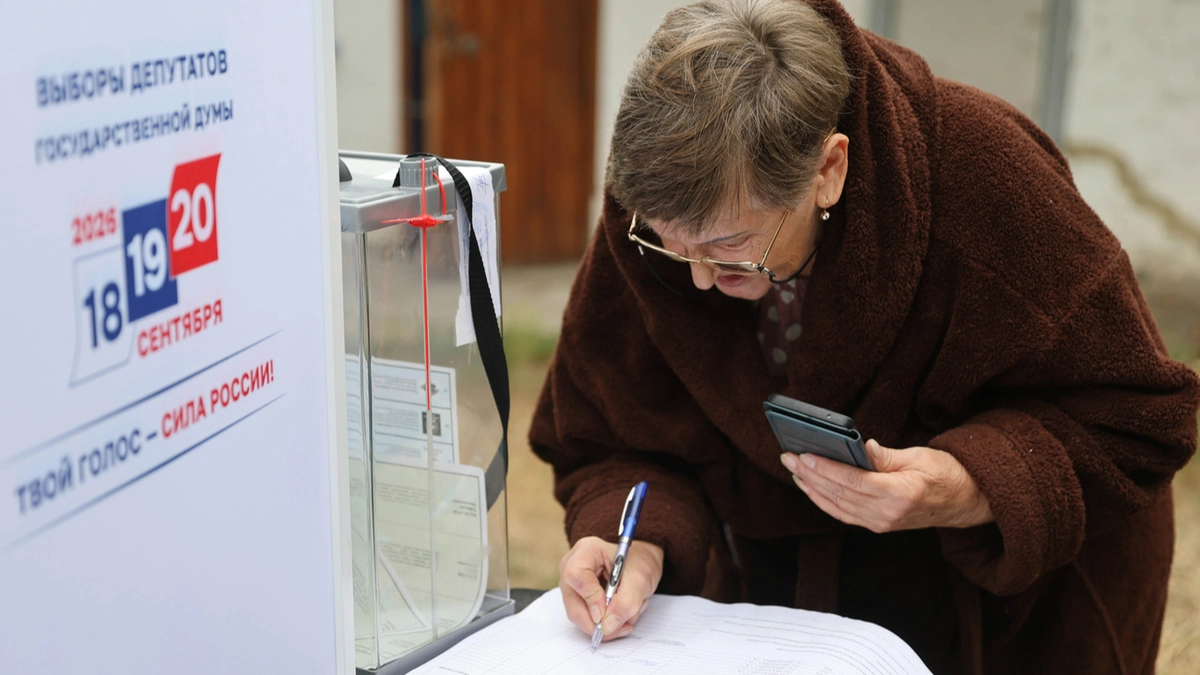 Жителі Придністров’я голосують на виборах до Держдуми РФ
Open this report in The AI Times →
Read it at Ukrainska Pravda →
What we have measured
Actor named shortages are described with no one named as causing them ×1Actor named The cancellation is pinned on a named Hungarian official's refusal. ×1Actor named The town is called 'occupied', but the lede does not name who occupies it or who blocks aid. ×1Actor named Names the EU and partners as the ones paying ×1
Outlet profile in The AI Times →
U
Ukrainska Pravda
 Russia opens unauthorised Duma election polling stations in Transnistria, defying Moldovan ban
Open this report in The AI Times →
Read it at Ukrainska Pravda →
What we have measured
Actor named shortages are described with no one named as causing them ×1Actor named The cancellation is pinned on a named Hungarian official's refusal. ×1Actor named The town is called 'occupied', but the lede does not name who occupies it or who blocks aid. ×1Actor named Names the EU and partners as the ones paying ×1
Outlet profile in The AI Times →
O
Obozrevatel
Россия открыла избирательные участки в Приднестровье, несмотря на протест Молдовы: проголосовал даже "глава ПМР"
Open this report in The AI Times →
Read it at Obozrevatel →
What we have measured
Actor label Names the attacker as 'occupiers' and gives 12 hurt, with no one cited as counting ×1Actor named no attacker named; the drone 'hit near' the building ×1Actor named No actor is named, and the headline puts the hit near the building rather than on it. ×1Actors left vague the neighbouring countries are not named ×1
Outlet profile in The AI Times →
Z
Ziarul de Gardă
„Rusia-mamă mă cheamă”. Numeroși polițiști, militari și bărbați în civil la secțiile de votare din Tiraspol, unde răsună cântece în limba rusă
Open this report in The AI Times →
Read it at Ziarul de Gardă →
What we have measured
Actor named Ties the shell to Russian attacks on Ukrainian infrastructure, citing the Border Police. ×1Asserted vs attributed the attack is stated flat, then sourced to a Russian official ×1Asserted vs attributed The headline states the attack flat, while the body gives Novak as the only source for it. ×1Attribution sabotage charge attributed to Estonia ×1
Outlet profile in The AI Times →
R
RIA Novosti
В посольстве России рассказали о ходе голосования в Кишиневе
Open this report in The AI Times →
Read it at RIA Novosti →
What we have measured
Actor named no attacker named; the channels only 'said' there were failures ×1Actor named the outage is reported with no actor named ×1Actor named 'the West' is named as acting, attributed to the foreign ministry spokeswoman ×1Actor named headline names Ukraine's armed forces as the attacker ×1
Outlet profile in The AI Times →
Жителі Придністров’я голосують на виборах до Держдуми РФ
Open this report in The AI Times →
Read it at Ukrainska Pravda →
What we have measured
Actor named shortages are described with no one named as causing them ×1Actor named The cancellation is pinned on a named Hungarian official's refusal. ×1Actor named The town is called 'occupied', but the lede does not name who occupies it or who blocks aid. ×1Actor named Names the EU and partners as the ones paying ×1
Outlet profile in The AI Times →
U
Ukrainska Pravda
Russia opens unauthorised Duma election polling stations in Transnistria, defying Moldovan ban
Open this report in The AI Times →
Read it at Ukrainska Pravda →
What we have measured
Actor named shortages are described with no one named as causing them ×1Actor named The cancellation is pinned on a named Hungarian official's refusal. ×1Actor named The town is called 'occupied', but the lede does not name who occupies it or who blocks aid. ×1Actor named Names the EU and partners as the ones paying ×1
Outlet profile in The AI Times →
O
Obozrevatel
Россия открыла избирательные участки в Приднестровье, несмотря на протест Молдовы: проголосовал даже "глава ПМР"
Open this report in The AI Times →
Read it at Obozrevatel →
What we have measured
Actor label Names the attacker as 'occupiers' and gives 12 hurt, with no one cited as counting ×1Actor named no attacker named; the drone 'hit near' the building ×1Actor named No actor is named, and the headline puts the hit near the building rather than on it. ×1Actors left vague the neighbouring countries are not named ×1
Outlet profile in The AI Times →
Z
Ziarul de Gardă
„Rusia-mamă mă cheamă”. Numeroși polițiști, militari și bărbați în civil la secțiile de votare din Tiraspol, unde răsună cântece în limba rusă
Open this report in The AI Times →
Read it at Ziarul de Gardă →
What we have measured
Actor named Ties the shell to Russian attacks on Ukrainian infrastructure, citing the Border Police. ×1Asserted vs attributed the attack is stated flat, then sourced to a Russian official ×1Asserted vs attributed The headline states the attack flat, while the body gives Novak as the only source for it. ×1Attribution sabotage charge attributed to Estonia ×1
Outlet profile in The AI Times →
R
RIA Novosti
В посольстве России рассказали о ходе голосования в Кишиневе
Open this report in The AI Times →
Read it at RIA Novosti →
What we have measured
Actor named no attacker named; the channels only 'said' there were failures ×1Actor named the outage is reported with no actor named ×1Actor named 'the West' is named as acting, attributed to the foreign ministry spokeswoman ×1Actor named headline names Ukraine's armed forces as the attacker ×1
Outlet profile in The AI Times →
Whose words go in quotation marks
Two reports put the vote itself, or the Transnistrian leader's title, inside quotation marks; none puts Moldova's objection in them. One report states the opening and the defiance flat in English and hedges only the turnout. No report carries a Transnistrian or Russian official answering Moldova's objection in their own words.
One figure, one source
Two reports give more than 21,000 voters by noon; one names where the figure came from and the other writes it as reportedly. One report counts nothing and instead describes police, plain-clothes men and metal detectors at three polling stations in Tiraspol.
Жителі Придністров’я голосують на виборах до Держдуми РФ
Open this report in The AI Times →
Read it at Ukrainska Pravda →
What we have measured
Actor named shortages are described with no one named as causing them ×1Actor named The cancellation is pinned on a named Hungarian official's refusal. ×1Actor named The town is called 'occupied', but the lede does not name who occupies it or who blocks aid. ×1Actor named Names the EU and partners as the ones paying ×1
Outlet profile in The AI Times →
U
Ukrainska Pravda
Russia opens unauthorised Duma election polling stations in Transnistria, defying Moldovan ban
Open this report in The AI Times →
Read it at Ukrainska Pravda →
What we have measured
Actor named shortages are described with no one named as causing them ×1Actor named The cancellation is pinned on a named Hungarian official's refusal. ×1Actor named The town is called 'occupied', but the lede does not name who occupies it or who blocks aid. ×1Actor named Names the EU and partners as the ones paying ×1
Outlet profile in The AI Times →
O
Obozrevatel
Россия открыла избирательные участки в Приднестровье, несмотря на протест Молдовы: проголосовал даже "глава ПМР"
Open this report in The AI Times →
Read it at Obozrevatel →
What we have measured
Actor label Names the attacker as 'occupiers' and gives 12 hurt, with no one cited as counting ×1Actor named no attacker named; the drone 'hit near' the building ×1Actor named No actor is named, and the headline puts the hit near the building rather than on it. ×1Actors left vague the neighbouring countries are not named ×1
Outlet profile in The AI Times →
Z
Ziarul de Gardă
„Rusia-mamă mă cheamă”. Numeroși polițiști, militari și bărbați în civil la secțiile de votare din Tiraspol, unde răsună cântece în limba rusă
Open this report in The AI Times →
Read it at Ziarul de Gardă →
What we have measured
Actor named Ties the shell to Russian attacks on Ukrainian infrastructure, citing the Border Police. ×1Asserted vs attributed the attack is stated flat, then sourced to a Russian official ×1Asserted vs attributed The headline states the attack flat, while the body gives Novak as the only source for it. ×1Attribution sabotage charge attributed to Estonia ×1
Outlet profile in The AI Times →
R
RIA Novosti
В посольстве России рассказали о ходе голосования в Кишиневе
Open this report in The AI Times →
Read it at RIA Novosti →
What we have measured
Actor named no attacker named; the channels only 'said' there were failures ×1Actor named the outage is reported with no actor named ×1Actor named 'the West' is named as acting, attributed to the foreign ministry spokeswoman ×1Actor named headline names Ukraine's armed forces as the attacker ×1
Outlet profile in The AI Times →
Claims and verdicts
No claims registered.
Who wrote it
Coverage, outlet by outlet
Россия открыла избирательные участки в Приднестровье, несмотря на протест Молдовы: проголосовал даже "глава ПМР"
Open this report in The AI Times →
Read it at Obozrevatel →
What we have measured
Actor label Names the attacker as 'occupiers' and gives 12 hurt, with no one cited as counting ×1Actor named no attacker named; the drone 'hit near' the building ×1Actor named No actor is named, and the headline puts the hit near the building rather than on it. ×1Actors left vague the neighbouring countries are not named ×1
Outlet profile in The AI Times →
—
В посольстве России рассказали о ходе голосования в Кишиневе
Open this report in The AI Times →
Read it at RIA Novosti →
What we have measured
Actor named no attacker named; the channels only 'said' there were failures ×1Actor named the outage is reported with no actor named ×1Actor named 'the West' is named as acting, attributed to the foreign ministry spokeswoman ×1Actor named headline names Ukraine's armed forces as the attacker ×1
Outlet profile in The AI Times →
— state-controlled
Жителі Придністров’я голосують на виборах до Держдуми РФ
Open this report in The AI Times →
Read it at Ukrainska Pravda →
What we have measured
Actor named shortages are described with no one named as causing them ×1Actor named The cancellation is pinned on a named Hungarian official's refusal. ×1Actor named The town is called 'occupied', but the lede does not name who occupies it or who blocks aid. ×1Actor named Names the EU and partners as the ones paying ×1
Outlet profile in The AI Times →
— independent
Russia opens unauthorised Duma election polling stations in Transnistria, defying Moldovan ban
Open this report in The AI Times →
Read it at Ukrainska Pravda →
What we have measured
Actor named shortages are described with no one named as causing them ×1Actor named The cancellation is pinned on a named Hungarian official's refusal. ×1Actor named The town is called 'occupied', but the lede does not name who occupies it or who blocks aid. ×1Actor named Names the EU and partners as the ones paying ×1
Outlet profile in The AI Times →
— independent
„Rusia-mamă mă cheamă”. Numeroși polițiști, militari și bărbați în civil la secțiile de votare din Tiraspol, unde răsună cântece în limba rusă
Open this report in The AI Times →
Read it at Ziarul de Gardă →
What we have measured
Actor named Ties the shell to Russian attacks on Ukrainian infrastructure, citing the Border Police. ×1Asserted vs attributed the attack is stated flat, then sourced to a Russian official ×1Asserted vs attributed The headline states the attack flat, while the body gives Novak as the only source for it. ×1Attribution sabotage charge attributed to Estonia ×1
Outlet profile in The AI Times →
—