US sanctions over Iran arms: three outlets say 10 'individuals and entities', the Jerusalem Post says 10 'entities', and only An-Nahar's headline drops 'alleged'
The US Treasury sanctioned 10 targets in China, Hong Kong, Pakistan and Iran on 29 September. It says they helped Iran's defence ministry buy weapons. Four reports disagree on who the targets are and on whether the charge is stated as fact or as an allegation.
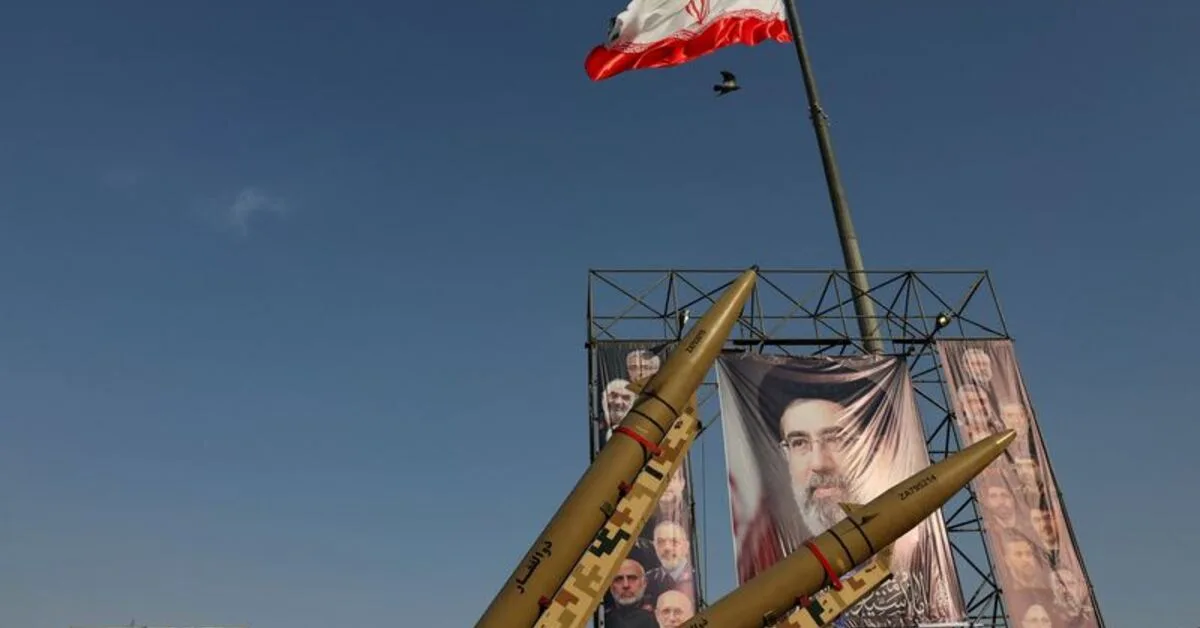
What happened. On Tuesday 29 September the US Treasury said it had sanctioned 10 targets for helping Iran's defence ministry buy weapons and components. Some are based in China, Hong Kong and Pakistan. We hold four reports.
Who was sanctioned. Three reports say "individuals and entities". The Jerusalem Post's headline says "10 international entities". An-Nahar names five of the ten. Three are people, and one of the companies is based in Iran, so it is not "international".
| Outlet | Who was sanctioned | Does the headline hedge the charge? |
|---|---|---|
| Al-Monitor | 10 individuals and entities | Yes: "allegedly" |
| Reuters | 10 people and entities | Yes: "suposta" (alleged) |
| The Jerusalem Post | 10 international entities | Yes: "allegedly" |
| An-Nahar | 10 individuals and entities | No: says they helped Iran buy weapons |
The charge. An-Nahar's headline states the charge as fact. Its body attributes each case to the Treasury. The other three hedge it or attribute it.
Voices. Al-Monitor and An-Nahar quote Treasury Secretary Scott Bessent. Only An-Nahar quotes a sceptic. Brett Erickson of Obsidian Risk Advisors says the sanctions will do little to Iran's ability to launch missiles and drones in the Strait of Hormuz. He calls the move "just a show" (our translation from the Arabic).
What is not settled. No report offers evidence beyond the Treasury's word. None carries a reply from anyone named, or from China, Hong Kong or Pakistan. None lists all ten targets. We hold only Reuters' headline and Al-Monitor's first paragraphs.
This story is about the United States using financial penalties against people and companies abroad that it accuses of supplying Iran's military.
How it got here. The United States has sanctioned Iran in one form or another since the 1979 revolution and the seizure of the US embassy in Tehran. In 2015 Iran agreed with world powers to limit its nuclear programme in exchange for sanctions relief. In 2018, in his first term, President Donald Trump took the United States out of that deal and reimposed sanctions. In June 2025 Israel and Iran fought a short war, and US forces struck Iranian nuclear sites. The reports say a US-Iran war began in February 2026. They do not say what started it, and we do not say either.
The actors. The US Treasury administers sanctions. Anyone it names has any assets under US jurisdiction frozen, and Americans are barred from dealing with them. Foreign banks and firms that keep trading with them risk losing access to the US financial system. Scott Bessent is Treasury Secretary. China and Hong Kong are among the world's main sources of electronic components. Many of these have both civilian and military uses, which the reports call "dual-use". Pakistan borders Iran.
What is at stake. The Treasury, as An-Nahar reports it, says the aim is to undercut Tehran's ability to rebuild its weapons programmes and to raise the cost for anyone helping it buy. The administration's stated goal is to isolate Iran economically until it negotiates an end to the war. The Strait of Hormuz lies between Iran and Oman. It is the only sea route out of the Gulf and carries a large share of the world's seaborne oil. That is why Iran's ability to fire missiles and drones there matters far beyond the two countries at war.
Where it stands. The Treasury announced the designations on 29 September as part of what it calls "Operation Economic Outcast". None of the reports we hold carries a response from those named.
The story so far
- The Jerusalem Post says Washington 'considers' a Najaf flight waiver, Reuters says it was 'set to grant' one on Monday, and Anadolu says flights have already resumed · 28 Sep 2026
- Anadolu quotes Tehran saying Baghdad and Muscat "will not accept Iranian flights"; Shargh says Iran cancelled them · 22 Sep 2026
- IRNA says an exchange, its developer and three people were sanctioned; Interfax says the exchange alone · 17 Sep 2026
Earlier stories The AI Times filed on this thread.
What is being argued about
- Whether the 10 targets are 'individuals and entities' or only 'entities'
- Whether the weapons-buying charge is stated as fact or as an allegation
- Whether the sanctions will change Iran's ability to strike in the Strait of Hormuz
- Who is heard: the Treasury, one sceptic, and none of those sanctioned
| Outlet | Who was sanctioned | How the charge is put | Hedged? |
|---|---|---|---|
| Al-Monitor | 10 individuals and entities | "over allegedly procuring weapons for Iran" | Yes |
| Reuters | 10 pessoas e entidades (people and entities) | "por suposta aquisição de armas" (for alleged acquisition of weapons) | Yes |
| The Jerusalem Post | 10 international entities | "over allegedly procuring weapons for Iran's Defense Ministry" | Yes |
| An-Nahar | 10 أفراد وكيانات (individuals and entities) | "لمساعدتهم إيران على شراء أسلحة" (for helping Iran buy weapons) | No |
 Al-Monitor
🇺🇸US/ME ·
digital · independent
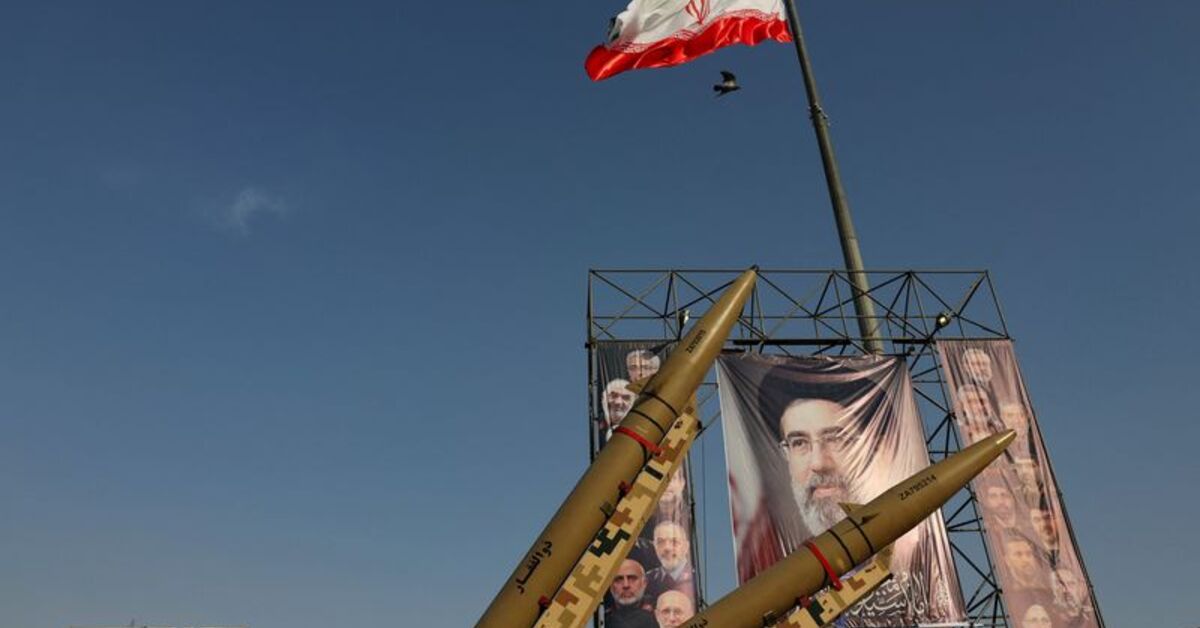 US sanctions 10 over allegedly procuring weapons for Iran
Open this report in The AI Times →
Read it at Al-Monitor →
What we have measured
Actor from anonymous officials Puts the IRGC at the trigger in a sentence sourc ×1Actor named Names the Director-General as the one who requested the dismissal ×1Actor named names Trump as the one who began the war, with Israel ×1Actor named names Israel as the actor in its military actions against the Palestinians ×1
Outlet profile in The AI Times →
 Reuters
🇺🇸US ·
wire · independent
 EUA impõem sanções a 10 pessoas e entidades por suposta aquisição de armas para o Irã
Open this report in The AI Times →
Read it at Reuters →
What we have measured
Actor named The attacker is the subject of an active verb for both the deaths and the damage ×1Actor named No actor named for who cancelled the flights ×1Agreement stated flat, source in a tail attribution moved after the dash ×1Announcement written as settled A social-media post becomes a future indicative: the conversion will happen ×1
Outlet profile in The AI Times →
 The Jerusalem Post
🇮🇱IL ·
newspaper · independent
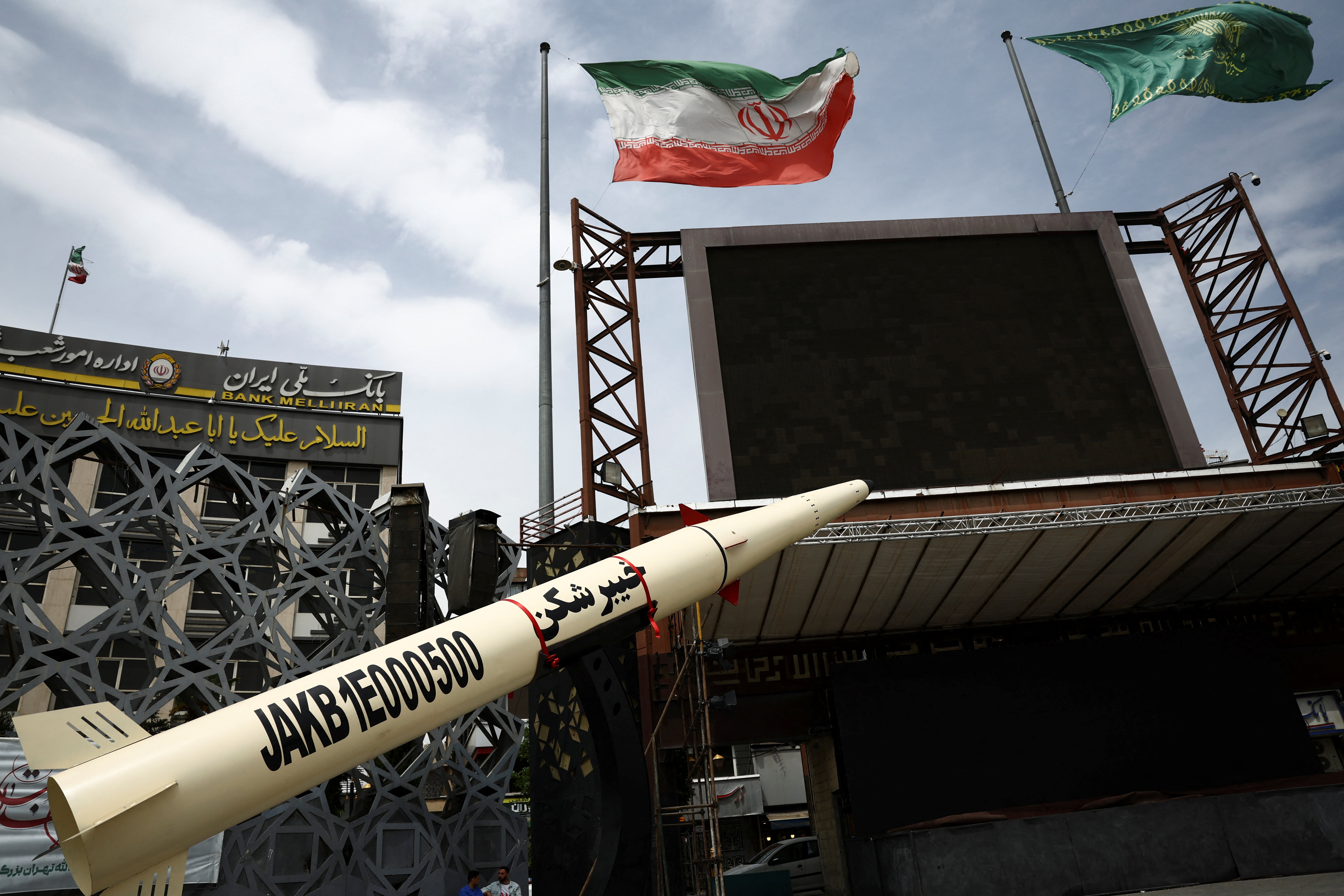 US sanctions 10 international entities over allegedly procuring weapons for Iran's Defense Ministry
Open this report in The AI Times →
Read it at The Jerusalem Post →
What we have measured
A count the body does not carry the headline says eight countries; the sentence names seven foreign ministers ×1Actor framing The Gulf ministers are the ones acting. Iran is the party they meet. ×1Actor generalised The headline has 'Baghdad' celebrating. The photo caption says the crowd is supporters of one armed group. ×1Actor named names the militias and calls the act 'desecration', in its own voice ×1
Outlet profile in The AI Times →
 An-Nahar
🇱🇧LB ·
newspaper · independent
 أميركا تفرض عقوبات على 10 أفراد وكيانات لمساعدتهم إيران على شراء أسلحة
Open this report in The AI Times →
Read it at An-Nahar →
What we have measured
Accused named the accused is named and his age is given ×1Accused named names the accused and gives his age ×1A contested finding relayed with the case still the prime minister's claim carried, with the court proceedings noted in the same sentence ×1Active voice and a toll in the background paragraph, the July strikes get named actors and counted dead — the only counted dead in this story ×1
Outlet profile in The AI Times →
| Name | Based in | What the Treasury says they did |
|---|---|---|
| Seyed Asghar Alizadeh Tabatabaei, representative of Iran's defence ministry | Beijing | Coordinated purchases of ready-made weapons systems and dual-use components in China for Iran |
| Kavoshcom Asia R&D | Iran | Bought electronics, including connectors, for an Iranian drone maker |
| EC Mogu Technology Ltd | Hong Kong | Supplied electronic components to Kavoshcom |
| Li Fen, EC Mogu's representative | China | Named alongside EC Mogu |
| Waseem Pasha Tajammul, chairman of Cavalier Group | Pakistan | Heads a private defence company with branches in Pakistan and elsewhere |
An-Nahar
An-Nahar
🇱🇧LB ·
newspaper · independent
أميركا تفرض عقوبات على 10 أفراد وكيانات لمساعدتهم إيران على شراء أسلحة
Open this report in The AI Times →
Read it at An-Nahar →
What we have measured
Accused named the accused is named and his age is given ×1Accused named names the accused and gives his age ×1A contested finding relayed with the case still the prime minister's claim carried, with the court proceedings noted in the same sentence ×1Active voice and a toll in the background paragraph, the July strikes get named actors and counted dead — the only counted dead in this story ×1
Outlet profile in The AI Times →
Alleged in three headlines, stated in one
Three of four headlines hedge the weapons procurement. One states it as fact, although its body attributes each accusation to the Treasury. One headline drops the individuals and calls all 10 'entities'.
Treasury speaks; one outside voice doubts
Two reports quote the Treasury Secretary. One also quotes a risk adviser who says the sanctions will barely touch Iran's missile and drone capacity. No report carries a response from the people or firms named.
Al-Monitor
Al-Monitor
🇺🇸US/ME ·
digital · independent
US sanctions 10 over allegedly procuring weapons for Iran
Open this report in The AI Times →
Read it at Al-Monitor →
What we have measured
Actor from anonymous officials Puts the IRGC at the trigger in a sentence sourc ×1Actor named Names the Director-General as the one who requested the dismissal ×1Actor named names Trump as the one who began the war, with Israel ×1Actor named names Israel as the actor in its military actions against the Palestinians ×1
Outlet profile in The AI Times →
An-Nahar
An-Nahar
🇱🇧LB ·
newspaper · independent
أميركا تفرض عقوبات على 10 أفراد وكيانات لمساعدتهم إيران على شراء أسلحة
Open this report in The AI Times →
Read it at An-Nahar →
What we have measured
Accused named the accused is named and his age is given ×1Accused named names the accused and gives his age ×1A contested finding relayed with the case still the prime minister's claim carried, with the court proceedings noted in the same sentence ×1Active voice and a toll in the background paragraph, the July strikes get named actors and counted dead — the only counted dead in this story ×1
Outlet profile in The AI Times →
The Jerusalem Post
The Jerusalem Post
🇮🇱IL ·
newspaper · independent
US sanctions 10 international entities over allegedly procuring weapons for Iran's Defense Ministry
Open this report in The AI Times →
Read it at The Jerusalem Post →
What we have measured
A count the body does not carry the headline says eight countries; the sentence names seven foreign ministers ×1Actor framing The Gulf ministers are the ones acting. Iran is the party they meet. ×1Actor generalised The headline has 'Baghdad' celebrating. The photo caption says the crowd is supporters of one armed group. ×1Actor named names the militias and calls the act 'desecration', in its own voice ×1
Outlet profile in The AI Times →
Reuters
Reuters
🇺🇸US ·
wire · independent
EUA impõem sanções a 10 pessoas e entidades por suposta aquisição de armas para o Irã
Open this report in The AI Times →
Read it at Reuters →
What we have measured
Actor named The attacker is the subject of an active verb for both the deaths and the damage ×1Actor named No actor named for who cancelled the flights ×1Agreement stated flat, source in a tail attribution moved after the dash ×1Announcement written as settled A social-media post becomes a future indicative: the conversion will happen ×1
Outlet profile in The AI Times →
Claims and verdicts
No claims registered.
Who wrote it
Coverage, outlet by outlet
The Jerusalem Post
The Jerusalem Post
🇮🇱IL ·
newspaper · independent
US sanctions 10 international entities over allegedly procuring weapons for Iran's Defense Ministry
Open this report in The AI Times →
Read it at The Jerusalem Post →
What we have measured
A count the body does not carry the headline says eight countries; the sentence names seven foreign ministers ×1Actor framing The Gulf ministers are the ones acting. Iran is the party they meet. ×1Actor generalised The headline has 'Baghdad' celebrating. The photo caption says the crowd is supporters of one armed group. ×1Actor named names the militias and calls the act 'desecration', in its own voice ×1
Outlet profile in The AI Times →
— independent
Al-Monitor
Al-Monitor
🇺🇸US/ME ·
digital · independent
US sanctions 10 over allegedly procuring weapons for Iran
Open this report in The AI Times →
Read it at Al-Monitor →
What we have measured
Actor from anonymous officials Puts the IRGC at the trigger in a sentence sourc ×1Actor named Names the Director-General as the one who requested the dismissal ×1Actor named names Trump as the one who began the war, with Israel ×1Actor named names Israel as the actor in its military actions against the Palestinians ×1
Outlet profile in The AI Times →
— independent
An-Nahar
An-Nahar
🇱🇧LB ·
newspaper · independent
أميركا تفرض عقوبات على 10 أفراد وكيانات لمساعدتهم إيران على شراء أسلحة
Open this report in The AI Times →
Read it at An-Nahar →
What we have measured
Accused named the accused is named and his age is given ×1Accused named names the accused and gives his age ×1A contested finding relayed with the case still the prime minister's claim carried, with the court proceedings noted in the same sentence ×1Active voice and a toll in the background paragraph, the July strikes get named actors and counted dead — the only counted dead in this story ×1
Outlet profile in The AI Times →
— independent
Reuters
Reuters
🇺🇸US ·
wire · independent
EUA impõem sanções a 10 pessoas e entidades por suposta aquisição de armas para o Irã
Open this report in The AI Times →
Read it at Reuters →
What we have measured
Actor named The attacker is the subject of an active verb for both the deaths and the damage ×1Actor named No actor named for who cancelled the flights ×1Agreement stated flat, source in a tail attribution moved after the dash ×1Announcement written as settled A social-media post becomes a future indicative: the conversion will happen ×1
Outlet profile in The AI Times →
— independent